
autore
Sostieni l’Archivio – Finance the Archive
SOSTIENI www.archiviocollezionegarzia.com
allo scopo di autofinanziare l’archiviazione e il mantenimento degli oltre 3 milioni di foto e negativi originali del quale è composto, l’Archivio Collezione Garzia ha messo in vendita le ristampe, realizzate direttamente dal negativo originale, nei formati cm 10 x 15 e cm 12 x 12 con sigillo a secco che ne garantisce l’originalita’ e montate su passepartout nero o bianco. il costo della singola stampa è di € 18 comprensiva delle spese di spedizione postale.
potete ordinarle scrivendo a: archiviocollezionegarzia@gmail.com
www.Archiviocollezionegarzia.com. in order to self finance the Archive and the upkeep of more than 3 million pictures and original negatives Archive Collezione Garzia has put up for sale reprints from the Originals in the 10-15 and 12-12 formats with a Dry Seal as Warranty of Originality set on blaick or white Framing.The cost for a single print is 18 Euros,inclusive of postal charges. You can send your orders to:’archiviocollezionegarzia@gmail.com please follow the publishing of photos from the Archive on our Site

#LuigiDeFilippo
Nasce a Napoli nel 1930. La madre, Adele Carloni è una giovane e bella attrice della Compagnia di Vincenzo Scarpetta.
Il padre Peppino, è un giovane e promettente attore commediografo.
Luigi compie i suoi studi fra Napoli e Roma dove si trasferisce con la sua famiglia nel 1941.
Ama scrivere racconti e novelle che pubblica su diversi giornali. Quindi si dedica alla sua passione più grande cioè il Teatro.
Debutta nel 1949 al Teatro Valle di Roma con una rivista scritta da lui e intitolata “Questa sera alle nove” e la recita assieme ai suoi compagni di Liceo ottenendo un grande successo.
Dopodichè, come professionista, entra nella Compagnia del padre ed inizia il suo vero tirocinio di attore che, con gli anni, lo porterà alla sua definitiva affermazione.
Nel 1960 sposa a Roma l’attrice inglese Ann Patricia Fairhurst dalla quale poi si separa dopo qualche tempo.
Nel 1970 sposa l’attrice francese Nicole Tessier dalla quale nel 1972, ha una figlia, Carolina, che lo ha reso nonno di recente mettendo al mondo una bella bambina di nome Emma Nicole.
Rimasto vedovo sposa nel 1997 a Roma Laura Tibaldi che ora lo coadiuva nella sua attività teatrale.
Dal 1980 ha una sua Compagnia di Teatro con la quale ottiene eccezionale successo sia in Italia che all’Estero, proponendo le sue Commedie oltre a quelle di suo padre Peppino e di suo zio Eduardo, ma anche personalissime interpretazioni di classici di Molière, Gogol, Machiavelli e Pirandello.
Più volte premiato col “Biglietto d’oro”, campione d’incassi.
Dal 1999 con la moglie Laura costituisce una società “I due della città del sole srl” della quale è Direttore Artistico. La società produce e distribuisce i suoi spettacoli e di alcuni giovani e bravi attori napoletani. Lo scorso anno il Presidente della Repubblica Ciampi lo ha insignito della onorificenza di Grande Ufficiale della Repubblica per particolari meriti artistici.
Luigi De Filippo (born 10 August 1930) is an Italian actor, stage director and playwright.
Born in Naples, the son of actors Peppino De Filippo and Adele Carloni, he studied literature at the university, leaving the studies on the threshold of graduation to pursue a career in journalism.Shorty later De Filippo debuted on stage next to his father, and from then he started a very long acting career, notably running for years a Neapolitan dialect company. He celebrated the fortieth anniversary of his stage activities with the reception of a special Premio Personalità Europea prize in Capitol Hill.
De Filippo appeared in many film roles, even if mainly in character roles. He was also active on television, mainly in TV adaptations of his stage works. Since 2011 he is the artistic director of the Parioli Theatre in Rome.
(wikipedia)

#LouisArmstrong
Louis Daniel Armstrong noto anche con il soprannome di Satchmo o Pops (New Orleans, 4 agosto 1901 – New York, 6 luglio 1971) è stato un trombettista e cantante statunitense.
Armstrong è stato uno tra i più famosi musicisti jazz del XX secolo. Carismatico e innovativo, al suo talento e alla sua personalità si aggiunge la sua straordinaria popolarità nel jazz, che esce dai confini della sua regione d’origine per diventare un genere musicale amato in tutto il mondo.
Armstrong raggiunse la fama inizialmente come trombettista, ma fu anche uno dei più importanti cantanti jazz, soprattutto verso la fine della carriera.
Louis Armstrong(August 4, 1901 – July 6, 1971), nicknamed Satchmo or Pops, was an American jazz trumpeter, singer, and an influential figure in jazz music.
Coming to prominence in the 1920s as an “inventive” trumpet and cornet player, Armstrong was a foundational influence in jazz, shifting the focus of the music from collective improvisation to solo performance. With his instantly recognizable gravelly voice, Armstrong was also an influential singer, demonstrating great dexterity as an improviser, bending the lyrics and melody of a song for expressive purposes. He was also skilled at scat singing (vocalizing using sounds and syllables instead of actual lyrics).
Renowned for his charismatic stage presence and voice almost as much as for his trumpet-playing, Armstrong’s influence extends well beyond jazz music, and by the end of his career in the 1960s, he was widely regarded as a profound influence on popular music in general. Armstrong was one of the first truly popular African-American entertainers to “cross over”, whose skin color was secondary to his music in an America that was severely racially divided. He rarely publicly politicized his race, often to the dismay of fellow African-Americans, but took a well-publicized stand for desegregation during the Little Rock Crisis. His artistry and personality allowed him socially acceptable access to the upper echelons of American society that were highly restricted for a black man.
nella foto LouisArmstron a Gstaad (Svizzera)

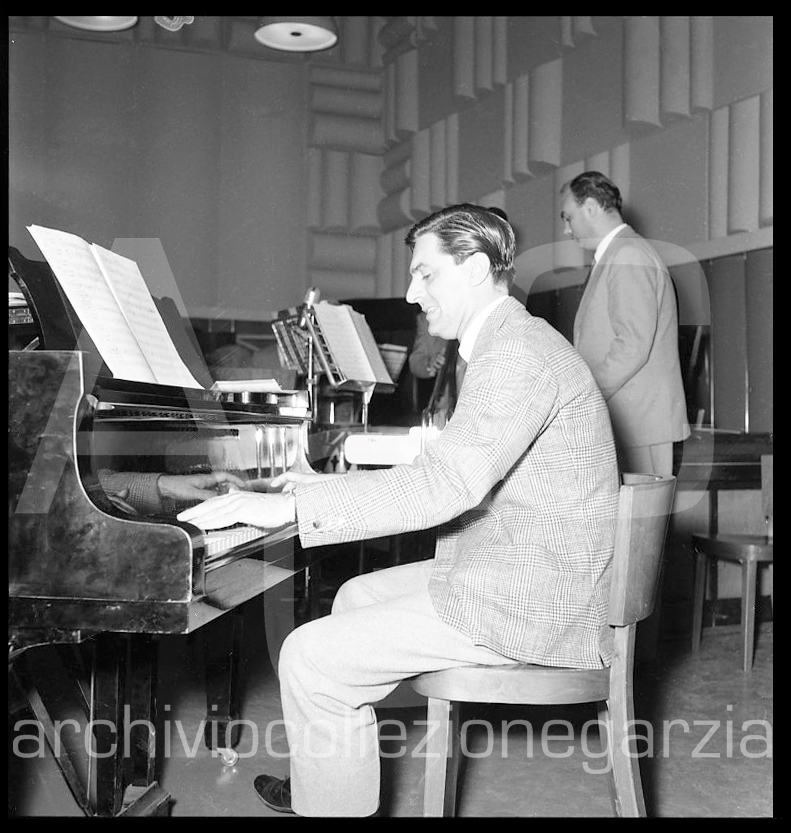
#LelioLuttazzi
Lelio Luttazzi (Trieste, 27 aprile 1923 – Trieste, 8 luglio 2010) è stato un attore, cantante, direttore d’orchestra, musicista, regista, scrittore, showman e conduttore televisivo italiano.
Lelio Luttazzi (27 April 1923–8 July 2010) was an Italian composer, musician, actor, singer, conductor, writer, and television and radio presenter.
Born in Trieste, Luttazzi began playing the piano at Radio Trieste and composing his first songs when he was student in law at the University of Trieste during the Second World War.After the war, he had from SIAE a gain of 350,000 lire, a considerable sum for the time, so he decided to become a full-time composer and in 1948 he moved to Milan where he began working with fellow Teddy Reno at the record company CGD. He was among the first composers to place jazz structures in the Italian songs.
A multifaceted artist, he worked in revues and cinema as actor and composer of soundtracks;[1] he was also a successful television and radio presenter, and probably the peak of his popularity was the radio program Hit parade, one of the longest radio programs broadcast in Italy.[1][2][3] In the early 1970s Luttazzi was involved together with Walter Chiari in a story of drug dealing; Luttazzi went to prison for a month before being acquitted with the formula “because the fact does not exist” but from then he basically semi-retired, leading a life reserved and returning rarely into the spotlight.
(wikipedia)
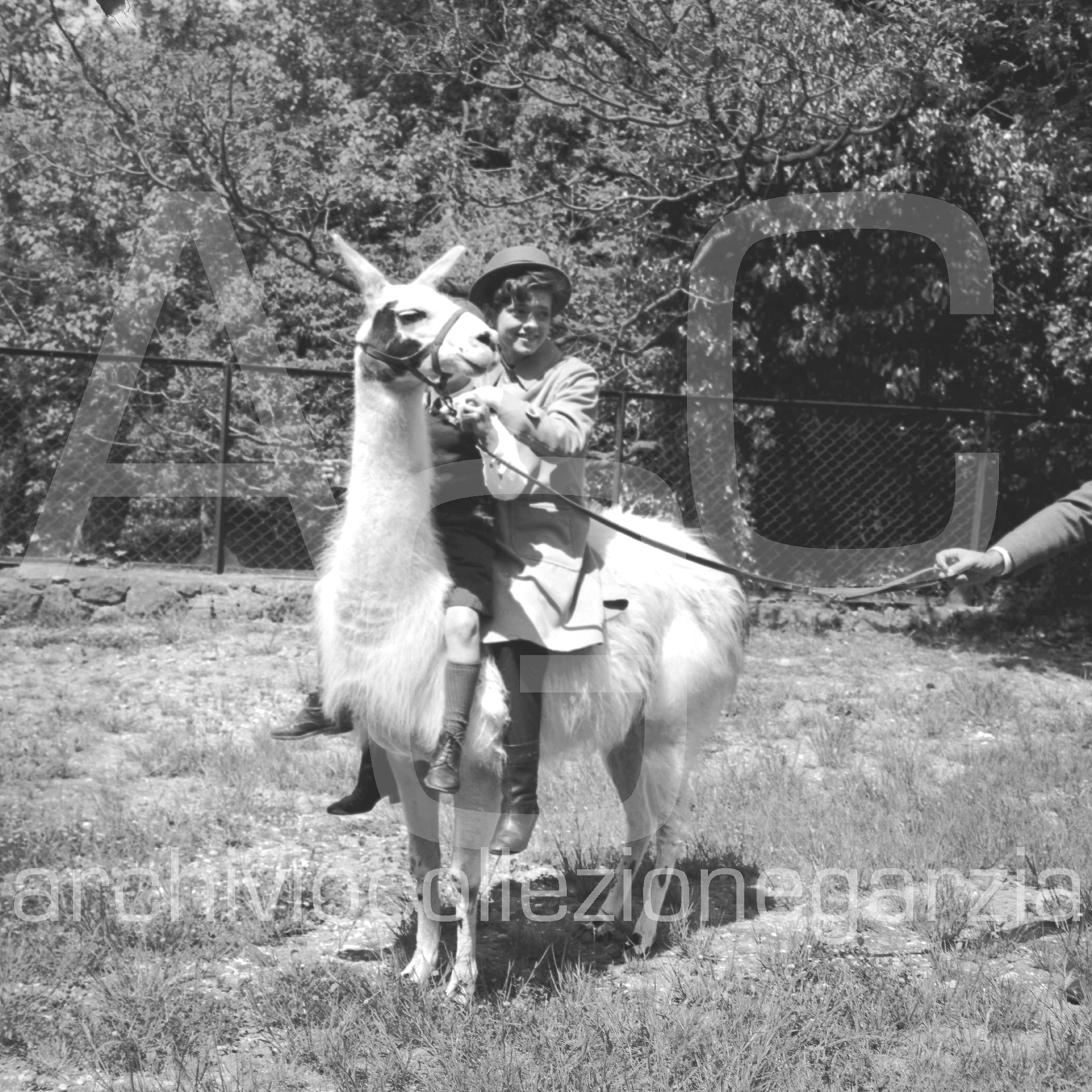
#RitaPavone
Rita Pavone (Torino, 23 agosto 1945) è una cantante, attrice e showgirl italiana naturalizzata svizzera. Fu soprannominata Pel di carota per via del colore rosso della sua capigliatura.
Rita Pavone (born August 23, 1945, Turin, Italy) is an Italian ballad and rock singer who enjoyed success through the 1960s. Pavone is also an actress.
#EduardoDeFilippo
Eduardo De Filippo, noto semplicemente come Eduardo (Napoli, 24 maggio 1900 – Roma, 31 ottobre 1984), è stato un drammaturgo, attore teatrale, attore cinematografico, regista teatrale, regista cinematografico, sceneggiatore e poeta italiano. Fra i massimi esponenti della cultura italiana del Novecento, è stato autore di numerosi drammi teatrali da lui stesso messi in scena e interpretati e, in seguito, tradotti e rappresentati da altri anche all’estero. Per i suoi meriti artistici e i contributi alla cultura, fu nominato senatore a vita dal presidente della Repubblica Sandro Pertini. Fu anche candidato per il premio Nobel per la letteratura
Eduardo De Filippo (24 May 1900 – 31 October 1984) was an Italian actor, playwright, screenwriter, author and poet, best known for his Neapolitan works Filumena Marturano and Napoli Milionaria.
De Filippo was born in Naples to playwright Eduardo Scarpetta and theatre seamstress and costumier Luisa De Filippo. He began acting at the age of five and in 1932 formed a theater company with his brother Peppino and sister Titina, called compagnia del Teatro Umoristico I De Filippo. Peppino left the troupe in 1944 and Titina departed by the early 1950s. De Filippo starred in De Sica’s L’oro di Napoli with Totò and Sophia Loren in 1954. In 1973 a production of his Sabato, domenica e lunedi (1959, Saturday, Sunday and Monday), starring Laurence Olivier in the lead role, won the London drama critics’ award. His translation of Shakespeare’s The Tempest into Neapolitan was published in 1982.
In 1981, De Filippo was appointed life senator of the Italian Republic. He died four years later in Rome. His artistic legacy has been carried over by his son.
(fonte wikipedia)

#MarleneDietrich #VittorioDeSica
Marie Magdalene “Marlene” Dietrich (Berlino, 27 dicembre 1901 – Parigi, 6 maggio 1992) è stata un’attrice e cantante tedesca naturalizzata statunitense. Fra le più note icone del mondo cinematografico della prima metà del Novecento, la Dietrich fu un vero e proprio mito, lasciando un’impronta duratura attraverso la sua recitazione, le sue immagini e l’interpretazione delle canzoni (arricchite da una voce ammaliante e sensuale). La Dietrich fu una delle prime dive grazie a un mix di qualità, raramente ripetuto dopo di lei, che fu sufficiente a farla entrare nella leggenda dello show business quale modello di femme fatale per antonomasia.
Il suo mito nacque e si sviluppò in contrapposizione a quello della divina Greta Garbo, entrambe star di punta di due compagnie di produzione rivali.
Marie Magdalene “Marlene” Dietrich (27 December 1901 – 6 May 1992) was a German actress and singer.
Dietrich remained popular throughout her long career by continually re-inventing herself, professionally and characteristically. In the Berlin of the 1920s, she acted on the stage and in silent films. Her performance as Lola-Lola in The Blue Angel (1930), directed by Josef von Sternberg, brought her international fame and garnered her a contract with Paramount Pictures in the US. Hollywood films such as Shanghai Express (1932) and Desire (1936) capitalised on her glamour and exotic looks, cementing her stardom and making her one of the highest-paid actresses of the era. Dietrich became a U.S. citizen in 1939,[3] and throughout World War II she was a high-profile frontline entertainer. Although she still made occasional films in the post-war years, Dietrich spent most of the 1950s to the 1970s touring the world as a successful show performer.
In 1999, the American Film Institute named Dietrich the ninth-greatest female star of all time.
Vittorio Domenico Stanislao Gaetano Sorano De Sica (Sora, 7 luglio 1901 – Neuilly-sur-Seine, 13 novembre 1974) è stato un attore, regista e sceneggiatore italiano.
Una delle figure preminenti del cinema italiano e mondiale, è stato inoltre attore di teatro e documentarista. È considerato uno dei padri del Neorealismo e, allo stesso tempo, uno dei più grandi registi ed interpreti della Commedia all’italiana.
Vittorio De Sica (7 July 1901 – 13 November 1974) was an Italian director and actor, a leading figure in the neorealist movement.
Four of the films he directed won Academy Awards: Sciuscià and Bicycle Thieves were awarded honorary Oscars, while Ieri, oggi, domani and Il giardino dei Finzi Contini won the Best Foreign Language Film Oscar. Indeed, the great critical success of Sciuscià (the first foreign film to be so recognized by the Academy of Motion Picture Arts and Sciences) and Bicycle Thieves helped establish the permanent Best Foreign Film Oscar. These two films generally are considered part of the canon of classic cinema.[1] Bicycle Thieves was cited by Turner Classic Movies as one of the 15 most influential films in cinema history.[2]
De Sica was also nominated for the 1957 Oscar for Best Supporting Actor for playing Major Rinaldi in American director Charles Vidor’s 1957 adaptation of Ernest Hemingway’s A Farewell to Arms, a movie that was panned by critics and proved a box office flop. De Sica’s acting was considered the highlight of the film.
Fonte wikipedia)

#MarioSoldati
Mario Soldati (Torino, 17 novembre 1906 – Tellaro, 19 giugno 1999) è stato uno scrittore, giornalista, regista cinematografico, sceneggiatore e autore televisivo italiano.
nella foto con i figli Wolfango, Michele e #GiovanniSoldati,

fonte wikipedia
#JeanVilar
Jean Vilar (Sète, 25 marzo 1912 – Sète, 28 maggio 1971) è stato un regista e attore francese.
Allievo e collaboratore di Charles Dullin, Jean Vilar si esibì dapprima come attore, dedicandosi alla regia a partire dal 1943, ottenendo un’affermazione definitiva come regista nel 1944, a capo della Compagnie des Sept.
Nel 1947, all’inaugurazione di quello che sarebbe divenuto il Festival di Avignone, Vilar ne fu il principale animatore; questa esperienza ebbe un peso determinante non solo sulla sua popolarità, ma soprattutto sull’evoluzione della sua personalità artistica.
Nell’intoccabile scenario naturale, egli concepì spettacoli, la cui suggestione era basata soprattutto sul testo e sull’interpretazione. Nacquero così alcune delle più famose creazioni di Vilar, che aveva trovato in Gérard Philipe il nuovo grande interprete della scena francese.
Allorché nel 1951 si dovette proporre un direttore al nuovo teatro di Stato, il Théâtre National Populaire, la scelta cadde proprio su Vilar. La realizzazione del programma che il nuovo istituto si prefisse per dar vita ad un’organizzazione teatrale a carattere veramente popolare, fu di enorme complessità. La penetrazione nei più diversi settori del pubblico fu ottenuta scegliendo testi, quasi tutti classici, realizzati con semplicità e chiarezza interpretative.
Jean Vilar est un comédien de théâtre et de cinéma, un metteur en scène et un directeur de théâtre français, né le 25 mars 1912 et mort le 28 mai 1971 à Sète. Créateur du Festival d’Avignon en 1947 qu’il dirige jusqu’à sa mort en 1971, et directeur du Théâtre National Populaire (TNP) de 1951 à 1963.
fonte wikipedia

 archiviocollezionegarzia.com