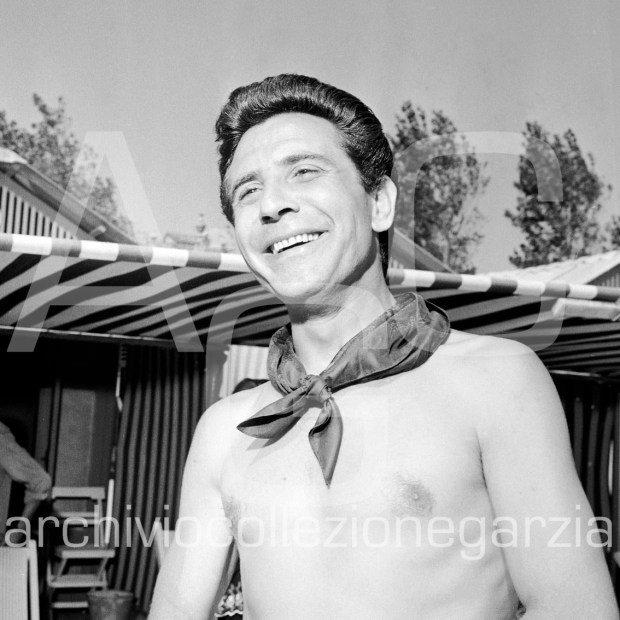
-Henri Gabriel Salvador (Caienna, 18 luglio 1917 – Parigi, 13 febbraio 2008) è stato un cantante, chitarrista e comico francese.
Attivo sulle scene dagli anni 1930, Henri Salvador è stato un personaggio chiave nella musica francese e mondiale:
le sue canzoni più popolari (Syracuse, Une chanson douce, etc.) sono state cantate da generazioni di giovani francesi; è il primo cantante di rock and roll in Francia (1956); è stato l’ispiratore della bossa nova brasiliana (1957)
-Henri Gabriel Salvador, né à Cayenne, en Guyane, le 18 juillet 1917 et mort à Paris le 13 février 2008, est un chanteur et humoriste français. Compositeur et guitariste, il joue à ses débuts dans des orchestres de jazz français. Sa longue carrière (débutée dans les années 1930), prend une nouvelle dimension lorsqu’il entame à partir de 1948, une carrière de chanteur.
Artiste populaire, apprécié d’un large public, on lui doit de nombreuses chansons qui aujourd’hui encore demeurent dans les mémoires : Syracuse ; Maladie d’amour ; Le Loup, la Biche et le Chevalier (Une chanson douce) ; sa reprise en français Le lion est mort ce soir ; Dans mon île3 ; Le travail c’est la santé ; Zorro est arrivé4 ; Jardin d’hiver…
Sacha Distel et lui sont les deux seuls chanteurs français de variété à figurer dans le Dictionnaire du Jazz5, chacun ayant bien connu Ray Ventura, Sacha Distel étant son neveu et Henri Salvador, à ses débuts, chanteur dans son orchestre.
Son corps repose au cimetière du Père-Lachaise, à Paris, non loin de celui d’Édith Piaf.
–Henri Salvador (18 July 1917 – 13 February 2008) was a French Caribbean singer.
Raymond William Stacey Burr (New Westminster, 21 maggio 1917 – Sonoma, 12 settembre 1993) è stato un attore canadese naturalizzato statunitense, noto per le sue interpretazioni teatrali, cinematografiche e televisive, specialmente per le serie televisive di Perry Mason e di Ironside.
Raymond William Stacey Burr (May 21, 1917 – September 12, 1993) was a Canadian-American actor, primarily known for his title roles in the television dramas Perry Mason and Ironside. He was prominently involved in multiple charitable endeavors, such as working on behalf of the United Service Organizations.
Burr’s early acting career included roles on Broadway, radio, television and in film, usually as the villain. His portrayal of the suspected murderer in the Alfred Hitchcock thriller Rear Window (1954) is regarded as his best-known film role. He won two Emmy Awards, in 1959 and 1961, for the role of Perry Mason, which he played for nine seasons between 1957 and 1966. His second hit TV series, Ironside, earned him six Emmy nominations and two Golden Globe nominations.
After Burr’s death from cancer in 1993, his personal life came into question, as details of his known biography appeared to be unverifiable.[1][2]
In 1996, Burr was listed as one of the 50 Greatest TV Stars of All Time by TV Guide. A 2014 study found that Burr was rated as the favorite actor by Netflix users, with the greatest number of dedicated microgenres.
Sir Charles Spencer Chaplin, noto come Charlie Chaplin (Londra, 16 aprile 1889 – Corsier-sur-Vevey, 25 dicembre 1977), è stato un attore, regista, sceneggiatore, comico, compositore e produttore cinematografico britannico, autore di oltre novanta film e tra i più importanti e influenti cineasti del XX secolo.
Il personaggio attorno al quale costruì larga parte delle sue sceneggiature, e che gli diede fama universale, fu quello del “vagabondo” (The Tramp in inglese; Charlot in italiano, francese e spagnolo): un omino dalle raffinate maniere e la dignità di un gentiluomo, vestito di una stretta giacchetta, pantaloni e scarpe più grandi della sua misura, una bombetta e un bastone da passeggio in bambù; tipici del personaggio erano anche i baffetti e l’andatura ondeggiante. L’emotività sentimentale e il malinconico disincanto di fronte alla spietatezza e alle ingiustizie della società moderna, fecero di Charlot l’emblema dell’alienazione umana – in particolare delle classi sociali più emarginate – nell’era del progresso economico e industriale.
Chaplin fu una delle personalità più creative e influenti del cinema muto. La sua vita lavorativa nel campo dello spettacolo ha attraversato oltre 75 anni. Fu influenzato dal comico francese Max Linder, a cui dedicò uno dei suoi film. Star mondiale del cinema, fu oggetto di adulazione e di critiche serrate, anche a causa delle sue idee politiche. Nei primi anni cinquanta, durante le persecuzioni del cosiddetto Maccartismo, le sue idee di forte stampo progressista lo avversarono alla maggior parte della stampa; fu inviso anche al governo federale statunitense.
Mentre si trovava a Londra, gli fu negato il permesso di rientro negli USA: visse il resto della sua esistenza in Svizzera, “riabilitato” dall’opinione pubblica americana solo all’inizio degli anni settanta, quando tornò nella sua patria di adozione per ritirare l’Oscar alla carriera. Tra gli attori più famosi dalla nascita dell’industria hollywoodiana, L’American Film Institute lo ha inserito al decimo posto tra le più grandi star della storia del cinema.
Charles Chaplin era ateo.
Sir Charles Spencer “Charlie” Chaplin, KBE (16 April 1889 – 25 December 1977) was an English comic actor, filmmaker, and composer who rose to fame in the silent era. Chaplin became a worldwide icon through his screen persona “the Tramp” and is considered one of the most important figures in the history of the film industry.[1] His career spanned more than 75 years, from childhood in the Victorian era until a year before his death in 1977, and encompassed both adulation and controversy.
Chaplin’s childhood in London was one of poverty and hardship. As his father was absent and his mother struggled financially, he was sent to a workhouse twice before the age of nine. When he was 14, his mother was committed to a mental asylum. Chaplin began performing at an early age, touring music halls and later working as a stage actor and comedian. At 19 he was signed to the prestigious Fred Karno company, which took him to America. Chaplin was scouted for the film industry, and began appearing in 1914 for Keystone Studios. He soon developed the Tramp persona and formed a large fan base. Chaplin directed his own films from an early stage, and continued to hone his craft as he moved to the Essanay, Mutual, and First National corporations. By 1918, he was one of the best known figures in the world.
In 1919, Chaplin co-founded the distribution company United Artists, which gave him complete control over his films. His first feature-length was The Kid (1921), followed by A Woman of Paris (1923), The Gold Rush (1925), and The Circus (1928). He refused to move to sound films in the 1930s, instead producing City Lights (1931) and Modern Times (1936) without dialogue. Chaplin became increasingly political, and his next film, The Great Dictator (1940), satirised Adolf Hitler. The 1940s were a decade marked with controversy for Chaplin, and his popularity declined rapidly. He was accused of communist sympathies, while his involvement in a paternity suit and marriages to much younger women caused scandal. An FBI investigation was opened, and Chaplin was forced to leave the United States and settle in Switzerland. He abandoned the Tramp in his later films, which include Monsieur Verdoux (1947), Limelight (1952), A King in New York (1957), and A Countess from Hong Kong (1967).
Chaplin wrote, directed, produced, edited, starred in, and composed the music for most of his films. He was a perfectionist, and his financial independence enabled him to spend years on the development and production of a picture. His films are characterised by slapstick combined with pathos, typified in the Tramp’s struggles against adversity. Many contain social and political themes, as well as autobiographical elements. In 1972, as part of a renewed appreciation for his work, Chaplin received an Honorary Academy Award for “the incalculable effect he has had in making motion pictures the art form of this century”. He continues to be held in high regard, with The Gold Rush, City Lights, Modern Times, and The Great Dictator often ranked on industry lists of the greatest films of all time.
Gilbert Bécaud, pseudonimo di François Gilbert Silly (Tolone, 24 ottobre 1927 – Parigi, 18 dicembre 2001), è stato un cantante e compositore francese. Fu soprannominato Monsieur 100.000 volt (Signor 100.000 volt) per la sua grande energia sulla scena e per le sue oltre 400 canzoni. Il suo successo più celebre Et maintenant è del 1961.
François Gilbert Léopold Silly, dit Gilbert Bécaud , né le 24 octobre 1927 à Toulon et mort le 18 décembre 2001 à Boulogne-Billancourt est un chanteur, compositeur, pianiste et acteur français.
Au cours de sa carrière, il se produit trente-trois fois sur la scène de l’Olympia, où il gagne son surnom de « Monsieur 100 000 volts » en raison de son sens du swing, à cause des passions qu’il soulevait dans son sillage et de ses fans qui, souvent, cassaient par enthousiasme les fauteuils. Il laisse l’image d’un homme électrique, toujours en mouvement. Sa cravate à pois, ses quelque quatre cents chansons et sa main sur l’oreille (pour être sûr de chanter juste) sont d’autres images spécifiques qui ont marqué les esprits.
Gilbert Bécaud (French pronunciation: [ʒil.bɛːʁ be.ko], 24 October 1927 – 18 December 2001) was a French singer, composer, pianist and actor, known as “Monsieur 100.000 Volts” for his energetic performances. His best-known hits are “Nathalie” and “Et Maintenant”, a 1961 release that became an English language hit as “What Now My Love”. He remained a popular artist for nearly fifty years, identifiable in his dark blue suits, with a white shirt and “lucky tie”; blue with white polka dots. When asked to explain his gift he said, “A flower doesn’t understand botany.” His favourite venue was the Paris Olympia under the management of Bruno Coquatrix. He debuted there in 1954 and headlined in 1955, attracting 6,000 on his first night, three times the capacity. On November 13, 1997, Bécaud was present for the re-opening of the venue after its reconstruction.
Anthony Perkins (New York, 4 aprile 1932 – Hollywood, 12 settembre 1992) è stato un attore, regista e sceneggiatore statunitense, conosciuto soprattutto per il ruolo del serial killer Norman Bates nel film Psycho di Alfred Hitchcock e nei suoi tre sequel.
Anthony Perkins (April 4, 1932 – September 12, 1992) was an American actor and singer.
He was nominated for the Academy Award for Best Supporting Actor for his second film, Friendly Persuasion, but is best known for playing Norman Bates in Alfred Hitchcock’s Psycho and its three sequels.
His other films include The Trial, Fear Strikes Out, Tall Story, The Matchmaker, Pretty Poison, North Sea Hijack, Five Miles to Midnight, The Black Hole, Murder on the Orient Express and Mahogany.
David Niven, al secolo James David Graham Niven (Londra, 1º marzo 1910 – Château-d’Œx, 29 luglio 1983), è stato un attore britannico.
Vinse l’Oscar al miglior attore protagonista per la sua interpretazione del timido e solitario maggiore Pollock in Tavole separate (1958), accanto a Deborah Kerr e Burt Lancaster, tratto dall’omonima commedia di Terence Rattigan.
Seguirono ruoli memorabili in drammi come Buongiorno tristezza (1958), in film bellici quali I cannoni di Navarone (1961) e I due nemici (1962), nel quale ebbe come partner Alberto Sordi, e in commedie sofisticate come La pantera rosa (1963) e James Bond 007 – Casino Royale (1967), commedia non appartenente alla serie ufficiale di film tratti dai romanzi di Ian Fleming, in cui interpretò il ruolo di James Bond.
Negli anni settanta venne acclamato da pubblico e critica per due brillanti libri autobiografici: La luna è un pallone (The Moon’s a Balloon) (1971) e Bring On the Empty Horses (1975), quest’ultimo mai tradotto in italiano. Nel 1981 pubblicò un romanzo d’amore e avventura ambientato a Londra durante la seconda guerra mondiale, Va piano, torna presto (Go Slowly, Come Back Quickly).
Colpito da una grave forma di sclerosi laterale amiotrofica, conosciuta anche come morbo di Lou Gehrig, Niven morì nel 1983 nella sua residenza svizzera di Château-d’Œx.
James David Graham Niven (1 March 1910 – 29 July 1983) was an English actor and novelist who was popular in Europe and in the United States. He may be best known for his roles as Squadron Leader Peter Carter in A Matter of Life and Death, as Phileas Fogg in Around the World in 80 Days and as Sir Charles Lytton, a.k.a. “the Phantom”, in The Pink Panther. He was awarded the Academy Award for Best Actor for his performance in Separate Tables (1958).
Born in London, Niven attended Heatherdown Preparatory School and Stowe before gaining a place at the Royal Military College, Sandhurst. After Sandhurst he was gazetted a lieutenant in the Highland Light Infantry. Having developed an interest in acting, he left the Highland Light Infantry, travelled to Hollywood and had several minor roles in film. He first appeared as an extra in the British film There Goes the Bride (1932). From there, he hired an agent and had several small parts in films from 1933 to 1935, including a non-speaking part in MGM’s Mutiny on the Bounty. This brought him to wider attention within the film industry and he was spotted by Samuel Goldwyn. Upon the outbreak of the Second World War, Niven returned to Britain and rejoined the army, being re-commissioned as a lieutenant.
Niven resumed his acting career after his demobilisation, and was voted the second most popular British actor in the 1945 Popularity Poll of British film stars. He appeared in A Matter of Life and Death (1946), The Bishop’s Wife (1947) and Enchantment (1948), all of which received critical acclaim. Niven later appeared in The Elusive Pimpernel (1950), The Toast of New Orleans (1950), Happy Go Lovely (1951), Happy Ever After (1954) and Carrington V.C. (1955) before scoring a big success as Phileas Fogg in Michael Todd’s production of Around the World in 80 Days. Niven appeared in nearly a hundred films, and many shows for television. He also began writing books, with considerable commercial success. In 1982 he appeared in Blake Edwards’ final “Pink Panther” films Trail of the Pink Panther and Curse of the Pink Panther, reprising his role as Sir Charles Lytton.
Sir Alfred Joseph Hitchcock (Londra, 13 agosto 1899 – Los Angeles, 29 aprile 1980) è stato un regista e produttore cinematografico britannico naturalizzato statunitense. È considerato una delle personalità più importanti della storia del cinema.
Lo spartiacque nella carriera di Hitchcock è rappresentato dal suo trasferimento da Londra a Hollywood, avvenuto nel 1940. In base a questa data, gli studiosi suddividono la sua produzione in due grandi periodi:
il periodo inglese, che va dal 1925 al 1940, durante il quale ha diretto ventitré film, di cui nove muti;
il periodo americano, che va dal 1940 al 1976, durante il quale ha diretto trenta film, fra i quali si annoverano i più conosciuti.
L’ultimo film è Complotto di famiglia diretto nel 1976.
Il regista è conosciuto anche, grazie ai suoi capolavori thriller, come “maestro del brivido”.
Sir Alfred Joseph Hitchcock, KBE (13 August 1899 – 29 April 1980) was an English film director and producer, often nicknamed “The Master of Suspense”. He pioneered many elements of the suspense and psychological thriller genres. He had a successful career in British cinema with both silent films and early talkies, and became renowned as England’s best director. Hitchcock moved to Hollywood in 1939 and became a US citizen in 1955.
Over a career spanning half a century, Hitchcock fashioned for himself a recognisable directorial style. His stylistic trademarks include the use of camera movement that mimics a person’s gaze, forcing viewers to engage in a form of voyeurism. In addition, he framed shots to maximise anxiety, fear, or empathy, and used innovative forms of film editing. His work often features fugitives on the run alongside “icy blonde” female characters.Many of Hitchcock’s films have twist endings and thrilling plots featuring depictions of murder and other violence. Many of the mysteries, however, are used as decoys or “MacGuffins” that serve the films’ themes and the psychological examinations of their characters. Hitchcock’s films also borrow many themes from psychoanalysis and sometimes feature strong sexual overtones. He became a highly visible public figure through interviews, movie trailers, cameo appearances in his own films, and the ten years in which he hosted the television program Alfred Hitchcock Presents.
Hitchcock directed more than fifty feature films in a career spanning six decades and is often regarded as the greatest British filmmaker.He came first in a 2007 poll of film critics in Britain’s Daily Telegraph, which said: “Unquestionably the greatest filmmaker to emerge from these islands, Hitchcock did more than any director to shape modern cinema, which would be utterly different without him. His flair was for narrative, cruelly withholding crucial information (from his characters and from viewers) and engaging the emotions of the audience like no one else.”In 2002, the magazine MovieMaker named Hitchcock the most influential filmmaker of all time.
Alfred Joseph Hitchcock est un réalisateur britannique, également producteur et scénariste de cinéma, né le 13 août 1899 à Leytonstone et mort le 29 avril 1980 à Bel Air à Los Angeles.
Après une carrière à succès au Royaume-Uni son pays natal à l’époque du cinéma muet et au début du cinéma sonore, Hitchcock part s’installer à Hollywood. Le 20 avril 1955, il acquiert la citoyenneté américain, mais il conservera sa citoyenneté britannique, qui lui permettra, au soir de sa vie, d’être anobli par la Reine.
Au cours de ses quelque soixante années de carrière, il réalise cinquante-trois longs métrages, dont certains comptent, tant par leur succès public que par leur réception et leur postérité critiques, parmi les plus importants du septième art : ce sont, entre autres, Les 39 Marches, Les Enchaînés, Fenêtre sur cour, Sueurs froides, La Mort aux trousses, Psychose, ou encore Les Oiseaux.
Pionnier de nombreuses techniques dans le genre du thriller, Hitchcock, « le maître du suspense », est considéré comme l’un des réalisateurs les plus influents sur le plan stylistique, installant les notions de suspense et de MacGuffin dans l’univers cinématographique. Ses thrillers se caractérisent également, le plus souvent, par une habile combinaison entre tension et humour. Ses thèmes récurrents sont la peur, la culpabilité et la perte d’identité. Un thème que l’on rencontre aussi fréquemment dans ses œuvres, avec certaines variations, est celui de l’innocent persécuté.
Doué par ailleurs d’un sens aigu de l’autopromotion — notamment au travers de ses caméos — , Hitchcock demeure aujourd’hui l’une des personnalités du XXe siècle les plus reconnaissables et les plus connues, à travers le monde.
Souvent considéré comme l’un des plus grands réalisateurs britanniques, il tient la première place sur une liste dressée en 2007 par des critiques cinématographiques pour le Daily Telegraph, avec le commentaire : « Sans aucun doute le plus grand cinéaste à émerger de ces îles, Hitchcock a fait davantage qu’aucun autre réalisateur pour façonner le cinéma moderne, lequel sans lui serait tout à fait différent. Il possédait un flair pour la narration, en dissimulant avec cruauté (à ses personnages et au spectateur) des informations cruciales et en engageant comme nul autre les émotions du publi. ».
Alfred Hitchcock était Knight Commander (chevalier commandeur) de l’Ordre de l’Empire britannique.
Sir Alfred Joseph Hitchcock (Leytonstone, Londres, 13 de agosto de 1899-Bel Air, Los Ángeles, 29 de abril de 1980) fue un director de cine y productor británico. Fue pionero en muchas de las técnicas que caracterizan a los géneros cinematográficos del suspense y el thriller psicológico. Tras una exitosa carrera en el cine británico en películas mudas y en las primeras sonoras, que le llevó a ser considerado el mejor director de Inglaterra, Hitchcock se trasladó a Hollywood en 1939.
A lo largo de una carrera que duró más de medio siglo, Hitchcock configuró un estilo cinematográfico distintivo y muy reconocible. Fue innovador en el uso de la cámara para imitar la mirada de una persona, obligando de esta manera a los espectadores a participar de cierta forma de voyeurismo, empleaba encuadres para provocar ansiedad, miedo o empatía y desarrolló una novedosa forma de montaje fílmico. Sus historias a menudo están protagonizadas por fugitivos de la ley y sus actrices protagonistas suelen ser de pelo rubio. Muchos de sus filmes presentan giros argumentales en el desenlace y tramas perturbadoras que se mueven en torno a la violencia, los asesinatos y el crimen. Con frecuencia, los misterios que articulan las tramas no son más que señuelos (Macguffin, como los llamó el propio director) que sirven para hacer avanzar la historia pero no tienen mayor importancia en el argumento. Las películas de Hitchcock también abordan a menudo temas del psicoanálisis y tienen marcadas connotaciones sexuales. Gracias a los cameos en muchos de sus filmes, las entrevistas, los avances publicitarios de sus películas y el programa de televisión Alfred Hitchcock Presenta, el cineasta se convirtió en un icono cultural.
Hitchcock dirigió más de cincuenta películas a lo largo de seis décadas. Reconocido a menudo como el mejor cineasta británico, apareció el primero de una encuesta realizada entre los críticos de cine en 2007 por el periódico The Daily Telegraph. El diario lo definió así: «Indudablemente el más grande cineasta nacido en estas islas, Hitchcock hizo más que cualquier otro director para dar forma al cine moderno, que habría sido completamente diferente sin él». La revista MovieMaker lo ha descrito como el director más influyente de todos los tiempos y es ampliamente considerado como uno de los artistas más importantes del séptimo arte.
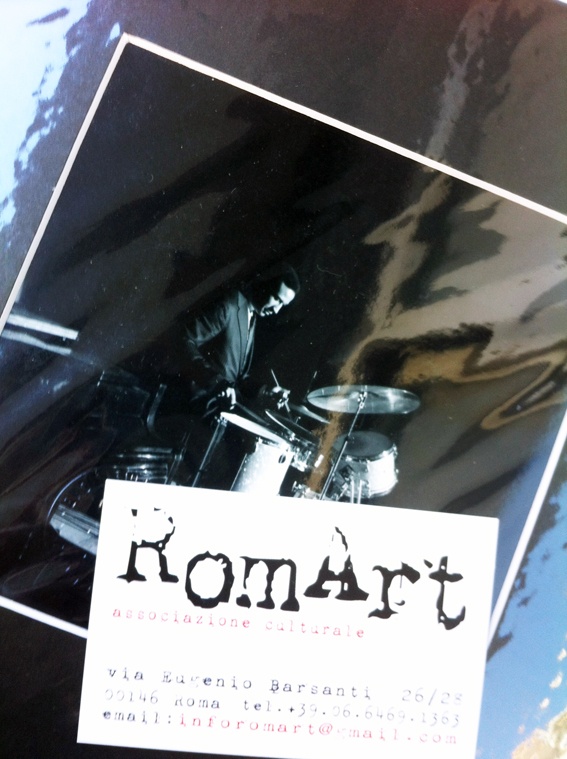
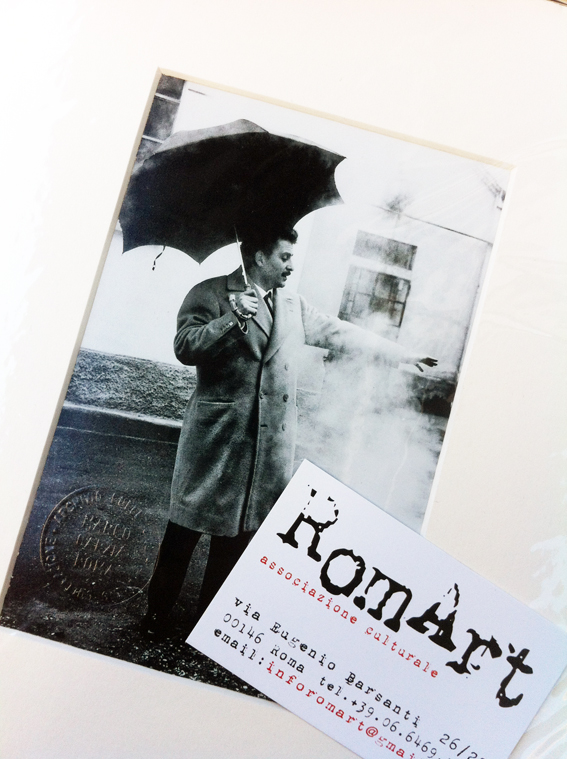
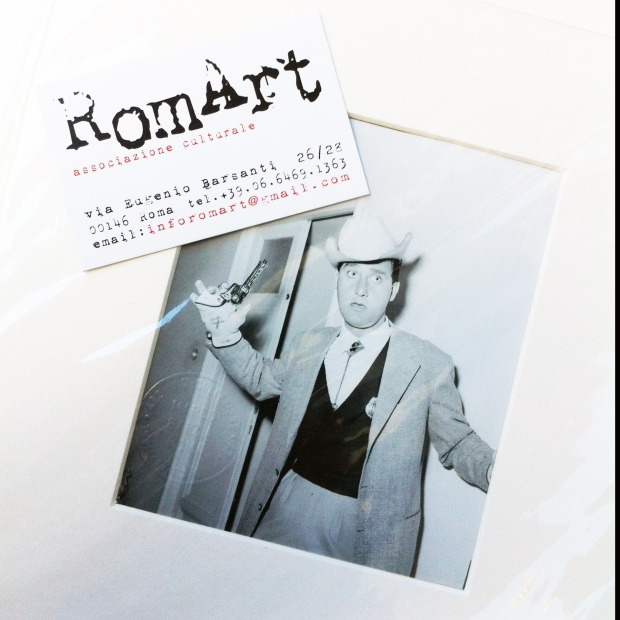
Ricordare il passato, farlo vivere nel presente e consegnarlo al futuro.
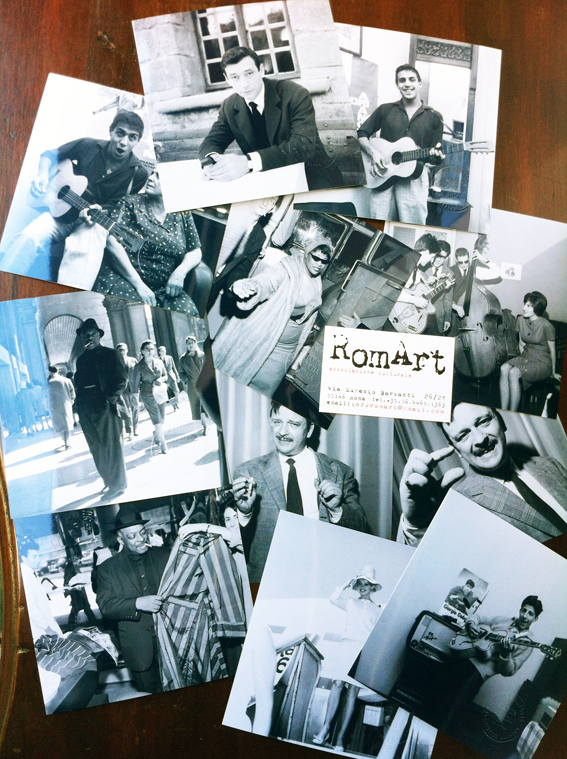
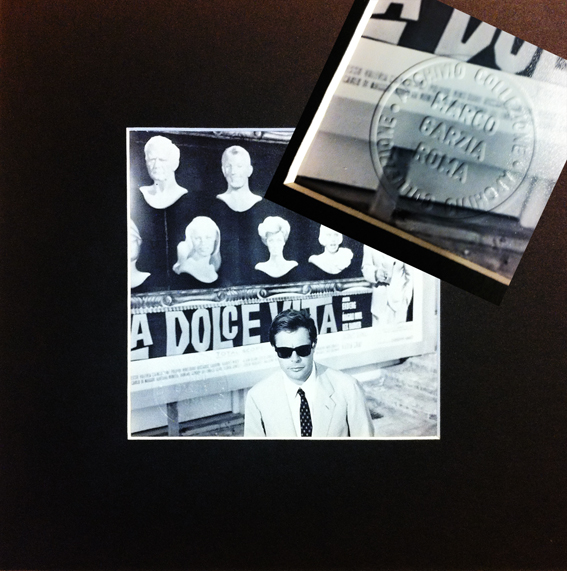
L’ Archivio Collezione Garzia si compone di più di quattro milioni di immagini ( negativi, diapositive, stampe originali ) realizzate o acquisite tramite fotografi, agenzie, antiquari e donazioni, nel corso della sua vita professionale come fotografo, da Marco Garzia.
Nel 2012 l’archivio collezione è stato dichiarato di interesse storico particolare dal MiBac.
Una collezione di ricordi di cinema, moda, stile, cultura del Novecento che ci regala scatti celebri e sconosciuti, catalogati con pazienza e perizia, testimoni di momenti e incontri irripetibili.
Luchino Visconti, Romy Schneider e Alain Delon mentre cenano a Venezia nel 1962, uno sguardo tra l’intenza Monica Vitti e il profilo perfetto di Marcello Mastroianni, David Niven, Amedeo Nazzari e Alberto Sordi in una pausa sul set di “I due nemici” del 1961, Alberto Moravia davanti alla boutique parigina di Christian Dior nel 1961, ma anche Papa Giovanni Paolo II con le scarpe da ginnastica, o Fidel Castro e Che Guevara durante i festeggiamenti del Pimo Maggio nel 1961 ( i primi dopo la Rivoluzione).
Questi sono solo alcuni momenti che possiamo ritrovare nell’ Archivio, preziosa custodia di immagini vive che rivendicano con forza una cittadinanza nell’epoca dell’effimero e del consumo veloce e spesso poco consapevole.
da oggi potete donare tramite bonifico bancario specificando nella causale: sostengo con donazione l’ associazione culturale Romart per la cura, l’archiviazione e conservazione dell’ ArchivioCollezioneGarzia, via Eugenio Barsanti, 28 00146 Roma
Fai un versamento a: Associazione Culturale ROMART :
IBAN: IT 96 H 07601 03200 0010 2360 1287
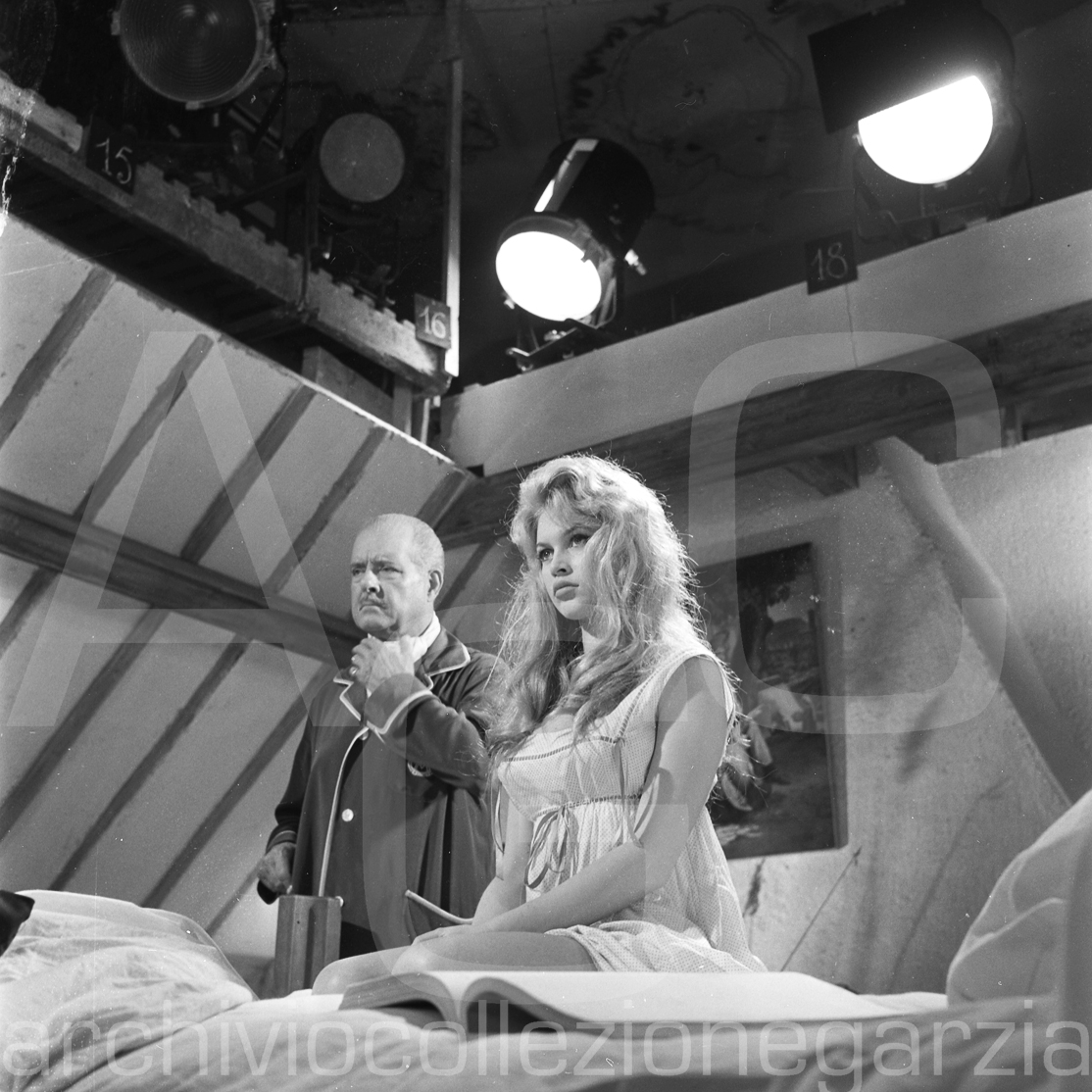
Brigitte Anne Marie Bardot, anche conosciuta come B.B. (“Bri-Bri” da bambina) (Parigi, 28 settembre 1934), è un’attrice, ex modella, cantante, ballerina e attivista francese. Dopo gli esordi come danzatrice classica, diviene prima modella, posando per svariate copertine di riviste di moda, quindi attrice e infine, dal 1962, cantante. Dal 1962, inoltre, è un’attivista per i diritti degli animali, attività che l’ha assorbita completamente a partire dal suo abbandono del cinema avvenuto nel 1972. È considerata un’icona sexy.
Brigitte Anne-Marie Bardot (French: [bʁiʒit baʁˈdo]; born 28 September 1934) is a French former actress, singer and fashion model, who later became an animal rights activist. She was one of the best known sex symbols of the 1950s and 1960s and was widely referred to by her initials.Starting in 1969, Bardot became the official face of Marianne (who had previously been anonymous) to represent the liberty of France.
Brigitte Bardot, née Brigitte Anne-Marie Bardot le 28 septembre 1934 à Paris, est une actrice de cinéma, ancien mannequin et chanteuse française, militante de la cause animale, fondatrice et présidente de la fondation qui porte son nom.
Figure féminine des années 1950 et 1960, elle est une star mondiale, l’égérie et la muse des plus grands artistes de l’époque. Emblème de l’émancipation des femmes et de la liberté sexuelle, elle passe des rôles de femme enfant à ceux de femme fatale. Elle tourne avec les plus grands réalisateurs, incarnant des personnages à l’élégante légèreté et à la sensualité photogénique. Elle devient rapidement un sex-symbol et acquiert une renommée internationale. Avec à son actif 48 films et plus de 80 chansons en près de vingt-et-un ans de carrière, Brigitte Bardot, tout aussi connue sous les initiales de « BB », est une des artistes françaises les plus célèbres (dans la France des années 1950-1970, seules Simone de Beauvoir et Françoise Sagan ont atteint une célébrité, auréolée de scandale, un peu comparable à la sienne).
Elle met un terme à sa carrière d’actrice en 1973 et se consacre dès lors à la défense des animaux.











 archiviocollezionegarzia.com