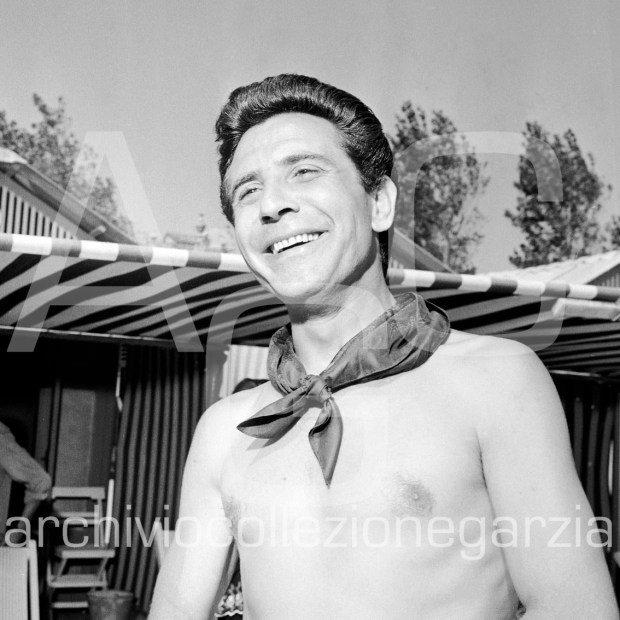
Gilbert Bécaud, pseudonimo di François Gilbert Silly (Tolone, 24 ottobre 1927 – Parigi, 18 dicembre 2001), è stato un cantante e compositore francese. Fu soprannominato Monsieur 100.000 volt (Signor 100.000 volt) per la sua grande energia sulla scena e per le sue oltre 400 canzoni. Il suo successo più celebre Et maintenant è del 1961.
François Gilbert Léopold Silly, dit Gilbert Bécaud , né le 24 octobre 1927 à Toulon et mort le 18 décembre 2001 à Boulogne-Billancourt est un chanteur, compositeur, pianiste et acteur français.
Au cours de sa carrière, il se produit trente-trois fois sur la scène de l’Olympia, où il gagne son surnom de « Monsieur 100 000 volts » en raison de son sens du swing, à cause des passions qu’il soulevait dans son sillage et de ses fans qui, souvent, cassaient par enthousiasme les fauteuils. Il laisse l’image d’un homme électrique, toujours en mouvement. Sa cravate à pois, ses quelque quatre cents chansons et sa main sur l’oreille (pour être sûr de chanter juste) sont d’autres images spécifiques qui ont marqué les esprits.
Gilbert Bécaud (French pronunciation: [ʒil.bɛːʁ be.ko], 24 October 1927 – 18 December 2001) was a French singer, composer, pianist and actor, known as “Monsieur 100.000 Volts” for his energetic performances. His best-known hits are “Nathalie” and “Et Maintenant”, a 1961 release that became an English language hit as “What Now My Love”. He remained a popular artist for nearly fifty years, identifiable in his dark blue suits, with a white shirt and “lucky tie”; blue with white polka dots. When asked to explain his gift he said, “A flower doesn’t understand botany.” His favourite venue was the Paris Olympia under the management of Bruno Coquatrix. He debuted there in 1954 and headlined in 1955, attracting 6,000 on his first night, three times the capacity. On November 13, 1997, Bécaud was present for the re-opening of the venue after its reconstruction.
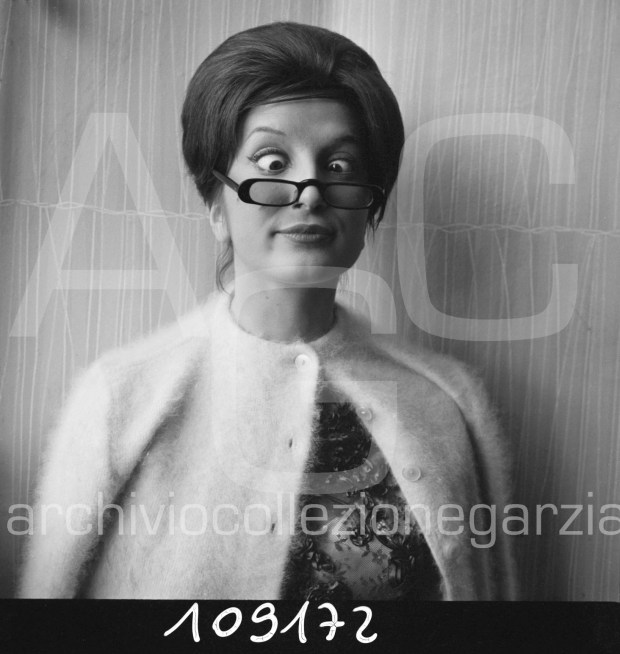
Anna Magnani (Roma, 7 marzo 1908 – Roma, 26 settembre 1973) è stata un’attrice italiana. È considerata una delle maggiori interpreti femminili della storia. Attrice simbolo del cinema italiano, è altresì particolarmente conosciuta per essere stata, insieme ad Aldo Fabrizi e Alberto Sordi, una delle figure preminenti della romanità cinematografica del XX secolo.
Celebri le sue interpretazioni, soprattutto in film come Roma città aperta, Bellissima, Mamma Roma e La rosa tatuata. Quest’ultimo le valse un Oscar alla miglior attrice protagonista.
Anna Magnani (Italian pronunciation: [ˈanna maɲˈɲaːni]; 7 March 1908 – 26 September 1973) was an Italian stage and film actress. She won the Academy Award for Best Actress, along with four other international awards, for her portrayal of a Sicilian widow in The Rose Tattoo.
Born in Rome, she worked her way through Rome’s Academy of Dramatic Art by singing at night clubs. During her career, her only child was stricken by polio when he was 18 months old and remained crippled.
She was referred to as “La Lupa,” the “perennial toast of Rome” and a “living she-wolf symbol” of the cinema. Time magazine described her personality as “fiery”, and drama critic Harold Clurman said her acting was “volcanic”. In the realm of Italian cinema she was “passionate, fearless, and exciting,” an actress that film historian Barry Monush calls “the volcanic earth mother of all Italian cinema.”Director Roberto Rossellini called her “the greatest acting genius since Eleonora Duse”. Playwright Tennessee Williams became an admirer of her acting and wrote The Rose Tattoo specifically for her to star in, a role for which she received an Oscar in 1955.
After meeting director Goffredo Alessandrini she received her first screen role in La cieca di Sorrento (The Blind Woman of Sorrento) (1934) and later achieved international fame in Rossellini’s Rome, Open City (1945), considered the first significant movie to launch the Italian neorealism movement in cinema. As an actress she became recognized for her dynamic and forceful portrayals of “earthy lower-class women” in such films as L’Amore (1948), Bellissima (1951), The Rose Tattoo (1955), The Fugitive Kind (1959) and Mamma Roma (1962). As early as 1950 Life magazine had already stated that Magnani was “one of the most impressive actresses since Garbo”.
Anthony Perkins (New York, 4 aprile 1932 – Hollywood, 12 settembre 1992) è stato un attore, regista e sceneggiatore statunitense, conosciuto soprattutto per il ruolo del serial killer Norman Bates nel film Psycho di Alfred Hitchcock e nei suoi tre sequel.
Anthony Perkins (April 4, 1932 – September 12, 1992) was an American actor and singer.
He was nominated for the Academy Award for Best Supporting Actor for his second film, Friendly Persuasion, but is best known for playing Norman Bates in Alfred Hitchcock’s Psycho and its three sequels.
His other films include The Trial, Fear Strikes Out, Tall Story, The Matchmaker, Pretty Poison, North Sea Hijack, Five Miles to Midnight, The Black Hole, Murder on the Orient Express and Mahogany.
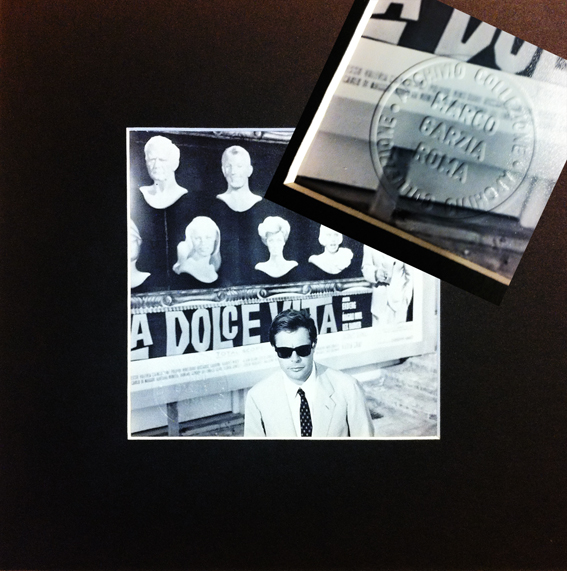
Marcello Mastroianni, all’anagrafe Marcello Vincenzo Domenico Mastroianni (Fontana Liri, 28 settembre 1924 – Parigi, 19 dicembre 1996), è stato un attore cinematografico italiano.
È stato uno degli interpreti italiani più conosciuti e apprezzati all’estero negli anni sessanta e settanta, soprattutto per le pellicole recitate in coppia con Sophia Loren e per i ruoli da protagonista nei film di Federico Fellini. Attore fra i più polivalenti del cinema italiano, fu uno dei “mostri” della commedia insieme ad Alberto Sordi, Ugo Tognazzi, Vittorio Gassman e Nino Manfredi; è stato capace di destreggiarsi perfettamente sia nei ruoli drammatici che in quelli comici.
È stato per tre volte candidato all’Oscar al miglior attore: per Divorzio all’italiana (1963), per Una giornata particolare (1978) e per Oci ciornie (1988). Ha vinto 2 Golden Globe, 2 Premi BAFTA, 8 David di Donatello, 8 Nastri d’argento, 5 Globi d’oro e un Ciak d’oro.
È inoltre l’unico attore, insieme a Jack Lemmon e Dean Stockwell, ad aver ottenuto in due diverse occasioni il Prix d’interprétation masculine al Festival di Cannes, nel 1970 per Dramma della gelosia e nel 1987 per Oci ciornie. Ha vinto per ben due volte la Coppa Volpi alla Mostra internazionale d’arte cinematografica di Venezia per Che ora è? e Uno, due, tre, stella!. Nel 1990 gli è stato conferito il Leone d’oro alla carriera.
Marcello Vincenzo Domenico Mastroianni, Knight Grand Cross (Italian pronunciation: [marˈtʃɛllo mastroˈjanni]; 28 September 1924 – 19 December 1996) was an Italian film actor. His prominent films include: La Dolce Vita; 8½; La Notte; Divorce, Italian Style; Yesterday, Today and Tomorrow; Marriage Italian-Style; A Special Day; City of Women; Henry IV; Dark Eyes; and Stanno tutti bene. His honours included British Film Academy Awards, Best Actor awards at the Cannes Film Festival and two Golden Globe Awards.
Marcello Vincenzo Domenico Mastroianni (né le 28 septembre 1924 à Fontana Liri (un village de montagne de la province de Frosinone, dans la région du Latium, à mi-chemin entre Rome et Naples) — mort le 19 décembre 1996 à Paris), est un acteur italien.
Il fait partie, au même titre que Nino Manfredi, Vittorio Gassman, Alberto Sordi, Ugo Tognazzi et Monica Vitti, des piliers des comédies italiennes des années 1960 et 1970.
Avec Jack Lemmon et Dean Stockwell, il fait partie des trois seuls acteurs ayant obtenu à deux reprises le Prix d’interprétation masculine au festival de Cannes.
Mina è la più grande voce italiana di sempre. Ma non solo. Per gli italiani Mina è un’icona al pari di altri grandi “marchi”che parlano di qualità eccelsa nel mondo, quali Ferrari o Fellini. Nell’immaginario collettivo per gli italiani Mina è un patrimonio del quale andare orgogliosi.
Mina ha incarnato il modello del talento e della diva dello spettacolo sulle scene, in televisone e nei suoi dischi. Ha fatto la storia della televisione italiana negli anni ’60 e ’70 per poi decidere di non apparirvi più. Ha interpretato le canzoni di successo che hanno accompagnato la vita quotidiana degli italiani per 40 anni. Mina pubblica un lavoro discografico inedito ogni anno.
Oggi è forse l’unico caso al mondo di un artista che non si concede ai media (infatti non rilascia interviste e non fa né recitals né apparizioni pubbliche da più di 20 anni) rimanendo ugualmente al primo posto in classifica ogni volta che pubblica un nuovo disco.
Oltre a intensificare la sua attività discografica, negli ultimi anni Mina ha scritto su importanti testate, incarico in cui si è rivelata padrona di un pensiero importante: protagonista di seguitissimi editoriali dove il suo talento come artista e la sua acutezza e credibilità l’hanno portata ad essere autorevole come editorialista tanto quanto come cantante.
Con l’ironia che il suo “talento totale” le ha costantemente assicurato, Mina, già da molti anni prima che si parlasse di “look”, ha sempre giocato con la sua immagine, stravolgendola nelle copertine dei suoi dischi, che sono anche state oggetto di mostre nei musei italiani. Mina ha sempre precorso i tempi e amato confrontarsi con le nuove tecnologie. Nel 2001 ha aperto le porte del suo studio di registrazione attraverso internet, dando in streaming un filmato dove registrava live.
Le richieste di poter vedere Mina in questo documento filmato al server dell’operatore Wind telecomunicazioni s.p.a. sono state addirittura 50 milioni, facendo collassare l’intero sistema…
Mina è un’artista eclettica e versatile che ha interpretato musica di tutti i generi spaziando tra i diversi stili con assoluta proprietà di linguaggio.
Mina, nome d’arte di Mina Anna Maria Mazzini (Busto Arsizio, 25 marzo 1940)
Mina is the greatest Italian singer of all times, but not only. For Italians, Mina is an icon equally as important as the biggest and best known names about which they boast as proof that Italy has the highest quality everything in the world, like Ferrari or Fellini. In the Italian collective imagination, Mina is a national treasure to be proud of and jealously guarded.
During the ‘60s and the ‘70s Mina embodied the very essence of the ultra-talented superstar on stage, in TV and in her records. She made television history and then suddenly, inexplicably decided to retire. She sang Italy’s greatest hits, which for over 40 years have been the leitmotiv of the everyday life of the Italian people. Nowadays Mina releases one record a year. She is perhaps the only artist in the world that does not offer herself up to the media – as a matter of fact, she does not grant interviews, has not appeared in concert or made any other public appearance for more than 20 years. Yet, all her new albums reach number one in the national hit parade.
In addition to her recordings, in recent years Mina has published as freelance journalist in important newspapers and magazines, revealing a penchant for deep, thought-provoking insight. Her successful columns have earned her a new, wide-flung reputation as a talented editorialist, demonstrating intelligence and adding wide journalistic credibility to her fame as singer.
Thanks to her capacity for “self-irony” that her unrivalled talent has always assured her, Mina has always laughed about, played and gambled with her imagine, varying it in a thousand ways in the media and even on her record sleeves, many of which have been placed on exhibit in Italian museums of art. Always ahead of her times, Mina remains on the cutting edge even in new technologies. In 2001 she opened the doors of her recording studios to the WWW by streaming an extended version of the videotaped session of her new album. The night the video went on-line, the server was overwhelmed with over 50,000 connection requests and the entire system crashed.
Mina is an eclectic, versatile artist completely at ease with a repertoire spanning all musical genres, all of which she has sung with masterful panache.
Desde siempre, Mina es la voz italiana más importante. Pero no sólo eso. Para los italianos Mina representa un icono a la altura de otras grandes “marcas” que hablan de calidad excelsa en el mundo, como Ferrari o Fellini. Para los italianos, Mina es un patrimonio del que se sienten orgullosos.
Ha encarnado el modelo del talento y de la diva del espectáculo en escenarios, discos y televisión. Ha formado parte de la historia de la televisión italiana en los años ’60 y ’70 y fue su propia decisión no volver a aparecer en ella. Ha interpretado canciones de éxito que han acompañado la vida cotidiana de los italianos durante cuarenta años. Mina publica un trabajo discográfico inédito cada año.
Hoy es, quizá, el único caso en el mundo de un artista que sin concederse a los mass-media (de hecho, no concede entrevistas y no hace recitales ni apariciones públicas desde hace más de veinte años) consigue estar siempre en el primer puesto de la clasificación cada vez que saca un disco nuevo. Además de su actividad discográfica en los ultimos años, Mina ha escrito en importantes periódicos descubriéndose protagonista de editoriales con gran público lector; y su talento y credibilidad la revelaron, en estos años, dueña de un pensamiento libre e importante, tan importante como en su faceta musical.
Actualmente, Mina escribe en el semanal “Vanity Fair”. Un talento con mayúsculas y excepcionalmente rico de ironía el de Mina, que ya muchos años antes de que se hablara de “look”, siempre ha jugado con su imagen, cambiándola de arriba abajo en las portadas de sus discos, también objeto de muestras en algunos museos italianos. Siempre se ha adelantado a los tiempos y le ha encantado medirse con las nuevas tecnologías. En 2001 abrió las puertas de su estudio de grabación a internet, dando en streaming un video donde grababa en vivo. Las peticiones para poder ver a Mina en este documento filmado al server del operador Wind telecomunicazioni s.p.a, llegaron a los cincuenta millones e hicieron colapsando todo el sistema.
Mina es una artista ecléctica y versátil que ha interpretado todos los géneros de la música, alternando los diferentes estilos con absoluta propiedad de lenguaje.
Ricordare il passato, farlo vivere nel presente e consegnarlo al futuro.
L’ Archivio Collezione Garzia si compone di più di quattro milioni di immagini ( negativi, diapositive, stampe originali ) realizzate o acquisite tramite fotografi, agenzie, antiquari e donazioni, nel corso della sua vita professionale come fotografo, da Marco Garzia.
Nel 2012 l’archivio collezione è stato dichiarato di interesse storico particolare dal MiBac.
Una collezione di ricordi di cinema, moda, stile, cultura del Novecento che ci regala scatti celebri e sconosciuti, catalogati con pazienza e perizia, testimoni di momenti e incontri irripetibili.
Luchino Visconti, Romy Schneider e Alain Delon mentre cenano a Venezia nel 1962, uno sguardo tra l’intenza Monica Vitti e il profilo perfetto di Marcello Mastroianni, David Niven, Amedeo Nazzari e Alberto Sordi in una pausa sul set di “I due nemici” del 1961, Alberto Moravia davanti alla boutique parigina di Christian Dior nel 1961, ma anche Papa Giovanni Paolo II con le scarpe da ginnastica, o Fidel Castro e Che Guevara durante i festeggiamenti del Pimo Maggio nel 1961 ( i primi dopo la Rivoluzione).
Questi sono solo alcuni momenti che possiamo ritrovare nell’ Archivio, preziosa custodia di immagini vive che rivendicano con forza una cittadinanza nell’epoca dell’effimero e del consumo veloce e spesso poco consapevole.
da oggi potete donare tramite bonifico bancario specificando nella causale: sostengo con donazione l’ associazione culturale Romart per la cura, l’archiviazione e conservazione dell’ ArchivioCollezioneGarzia, via Eugenio Barsanti, 28 00146 Roma
Fai un versamento a: Associazione Culturale ROMART :
IBAN: IT 96 H 07601 03200 0010 2360 1287
Antonio De Curtis in arte Totò ( Antonio Griffo Focas Flavio Angelo Ducas Comneno Porfirogenito Gagliardi ) nobile nei natali, era di casa a Montecarlo. In questa foto lo vediamo nel principato, su invito di Ranieri di Monaco e della principessa Grace Kelly, che molto lo apprezza per la sua capacità comica/surreale, partecipare al GranGala del capodanno 1960, accompagnato dalla compagna Franca Faldini.
Prince Antonio Griffo Focas Flavio Angelo Ducas Comneno Porfirogenito Gagliardi De Curtis di Bisanzio, best known by his stage name Totò (Italian pronunciation: [toˈtɔ*]; 15 February 1898 – 15 April 1967) or as Antonio De Curtis, and nicknamed il Principe della risata (“the Prince of laughter”), was an Italian comedian, film and theatre actor, writer, singer and songwriter. He is widely considered one of the greatest Italian artists of the 20th century. While he first gained his popularity as a comic actor, his dramatic roles, his poetry, and his songs are all deemed to be outstanding; his style and a number of his recurring jokes and gestures have become universally known memes in Italy. Writer and philosopher Umberto Eco has thus commented on the importance of Totò in Italian culture:
Totò e Franca Faldini guests of Ranieri di Monaco and p.ss Grace
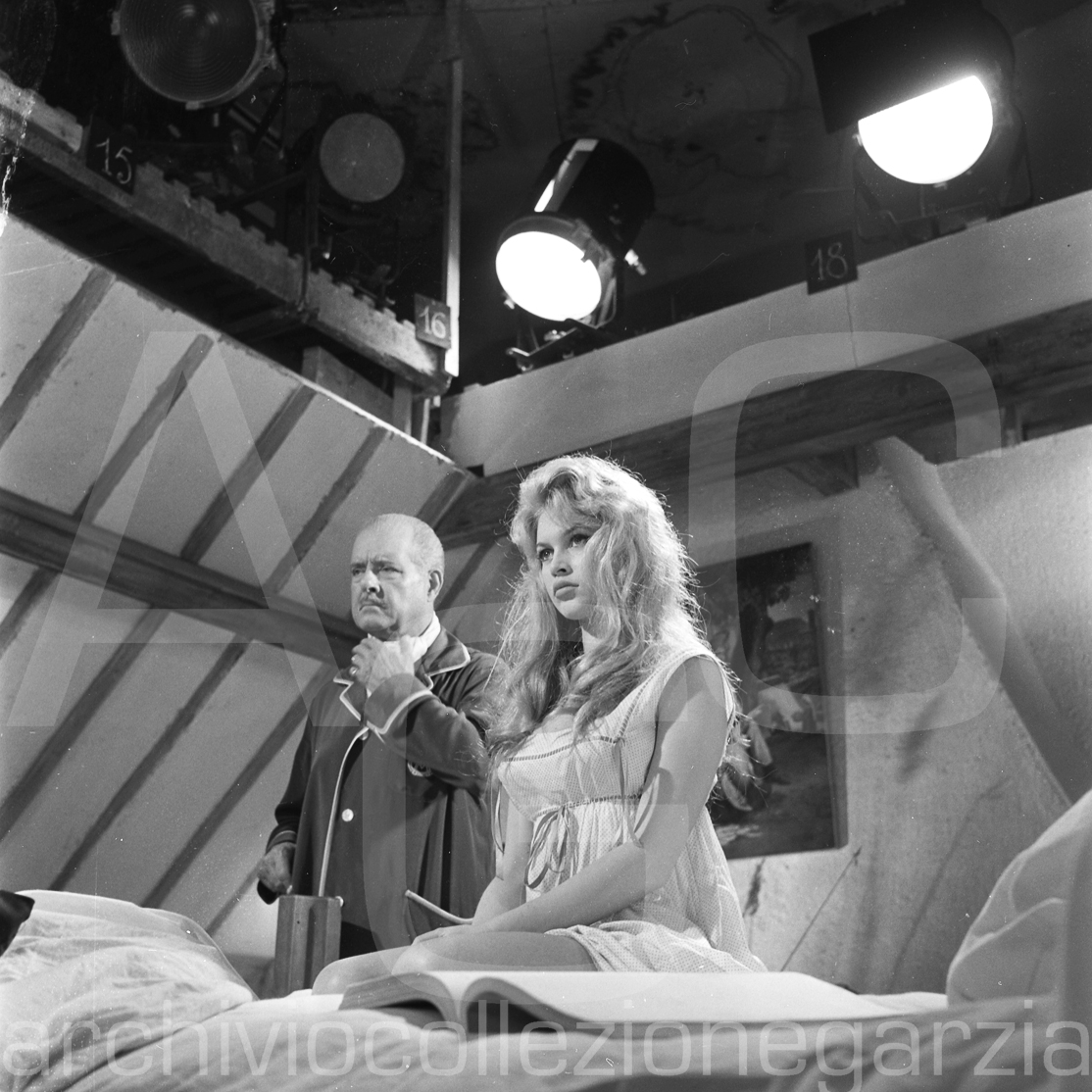
Brigitte Anne Marie Bardot, anche conosciuta come B.B. (“Bri-Bri” da bambina) (Parigi, 28 settembre 1934), è un’attrice, ex modella, cantante, ballerina e attivista francese. Dopo gli esordi come danzatrice classica, diviene prima modella, posando per svariate copertine di riviste di moda, quindi attrice e infine, dal 1962, cantante. Dal 1962, inoltre, è un’attivista per i diritti degli animali, attività che l’ha assorbita completamente a partire dal suo abbandono del cinema avvenuto nel 1972. È considerata un’icona sexy.
Brigitte Anne-Marie Bardot (French: [bʁiʒit baʁˈdo]; born 28 September 1934) is a French former actress, singer and fashion model, who later became an animal rights activist. She was one of the best known sex symbols of the 1950s and 1960s and was widely referred to by her initials.Starting in 1969, Bardot became the official face of Marianne (who had previously been anonymous) to represent the liberty of France.
Brigitte Bardot, née Brigitte Anne-Marie Bardot le 28 septembre 1934 à Paris, est une actrice de cinéma, ancien mannequin et chanteuse française, militante de la cause animale, fondatrice et présidente de la fondation qui porte son nom.
Figure féminine des années 1950 et 1960, elle est une star mondiale, l’égérie et la muse des plus grands artistes de l’époque. Emblème de l’émancipation des femmes et de la liberté sexuelle, elle passe des rôles de femme enfant à ceux de femme fatale. Elle tourne avec les plus grands réalisateurs, incarnant des personnages à l’élégante légèreté et à la sensualité photogénique. Elle devient rapidement un sex-symbol et acquiert une renommée internationale. Avec à son actif 48 films et plus de 80 chansons en près de vingt-et-un ans de carrière, Brigitte Bardot, tout aussi connue sous les initiales de « BB », est une des artistes françaises les plus célèbres (dans la France des années 1950-1970, seules Simone de Beauvoir et Françoise Sagan ont atteint une célébrité, auréolée de scandale, un peu comparable à la sienne).
Elle met un terme à sa carrière d’actrice en 1973 et se consacre dès lors à la défense des animaux.
Gilbert Bécaud, pseudonimo di François Gilbert Silly (Tolone, 24 ottobre 1927 – Parigi, 18 dicembre 2001), è stato un cantante e compositore francese. Fu soprannominato Monsieur 100.000 volt (Signor 100.000 volt) per la sua grande energia sulla scena e per le sue oltre 400 canzoni. Il suo successo più celebre Et maintenant è del 1961.
François Gilbert Léopold Silly, dit Gilbert Bécaud , né le 24 octobre 1927 à Toulon et mort le 18 décembre 2001 à Boulogne-Billancourt est un chanteur, compositeur, pianiste et acteur français.
Au cours de sa carrière, il se produit trente-trois fois sur la scène de l’Olympia, où il gagne son surnom de « Monsieur 100 000 volts » en raison de son sens du swing, à cause des passions qu’il soulevait dans son sillage et de ses fans qui, souvent, cassaient par enthousiasme les fauteuils. Il laisse l’image d’un homme électrique, toujours en mouvement. Sa cravate à pois, ses quelque quatre cents chansons et sa main sur l’oreille (pour être sûr de chanter juste)2sont d’autres images spécifiques qui ont marqué les esprits.
Gilbert Bécaud (French pronunciation: [ʒil.bɛːʁ be.ko], 24 October 1927 – 18 December 2001) was a French singer, composer, pianist and actor, known as “Monsieur 100.000 Volts”for his energetic performances. His best-known hits are “Nathalie” and “Et Maintenant”, a 1961 release that became an English language hit as “What Now My Love”. He remained a popular artist for nearly fifty years, identifiable in his dark blue suits, with a white shirt and “lucky tie”; blue with white polka dots. When asked to explain his gift he said, “A flower doesn’t understand botany.” His favourite venue was the Paris Olympia under the management of Bruno Coquatrix. He debuted there in 1954 and headlined in 1955, attracting 6,000 on his first night, three times the capacity. On November 13, 1997, Bécaud was present for the re-opening of the venue after its reconstruction.
Maria Callas, nome d’arte di Anna Maria Cecilia Sophia Kalogeropoulou (greco: Άννα Μαρία Καικιλία Σοφία Καλογεροπούλου; New York, 2 dicembre 1923 – Parigi, 16 settembre 1977), è stata un soprano greco, in possesso della nazionalità statunitense e naturalizzata italiana fino al 1966, quando rinunciò ad entrambe per ottenere quella greca. Nata a New York da genitori greci, Maria Callas studiò ad Atene dal 1939 al 1945, intraprendendo la carriera internazionale dai tardi anni quaranta agli anni sessanta.
Le sue straordinarie doti di soprano e attrice, il successo, artistico e mediatico, il mito costruito attorno a lei, le sono valsi l’appellativo di Divina.
Maria Callas, Commendatore OMRI (Greek: Μαρία Κάλλας; December 2, 1923 – September 16, 1977), was an American-born Greek soprano and one of the most renowned and influential opera singers of the 20th century. Critics praised her bel canto technique, wide-ranging voice and dramatic interpretations. Her repertoire ranged from classical opera seria to the bel canto operas of Donizetti, Bellini and Rossini and further, to the works of Verdi and Puccini; and, in her early career, to the music dramas of Wagner. Her musical and dramatic talents led to her being hailed as La Divina.
Grace Patricia Kelly in Grimaldi (Filadelfia, 12 novembre 1929 – Monaco, 14 settembre 1982) è stata un’attrice statunitense. Sposa di Ranieri III nel 1956, fu principessa consorte di Monaco, e divenne madre dei principi Alberto II, Carolina e Stefania. Morì in un incidente stradale, nel 1982.Vinse l’Oscar alla miglior attrice per la pellicola La ragazza di campagna nel 1955. L’American Film Institute ha inserito la Kelly al tredicesimo posto tra le più grandi star della storia del cinema.
Grace Patricia Kelly (November 12, 1929 – September 14, 1982) was an American actress who, after marrying Prince Rainier III, became the Princess of Monaco. After embarking on an acting career in 1950, at the age of 20, Kelly appeared in New York City theatrical productions and more than 40 episodes of live drama productions broadcast during the early 1950s Golden Age of Television. In October 1953, she gained stardom from her performance in the film Mogambo. It won her a Golden Globe Award and an Academy Award nomination in 1954. She had leading roles in five films, including The Country Girl, for which her deglamorized performance earned her an Academy Award for Best Actress. Other films include High Noon (1952) with Gary Cooper, Dial M for Murder (1954) with Ray Milland, Rear Window (1954) with James Stewart and To Catch a Thief (1955) with Cary Grant, and High Society (1956) with Frank Sinatra and Bing Crosby.
Kelly retired from acting at the age of 26 to marry Rainier and began her duties in Monaco. They had three children: Caroline, Albert, and Stéphanie. She retained her American roots, maintaining dual U.S. and Monégasque citizenship. She died on September 14, 1982, a day after a stroke caused her to crash her car.
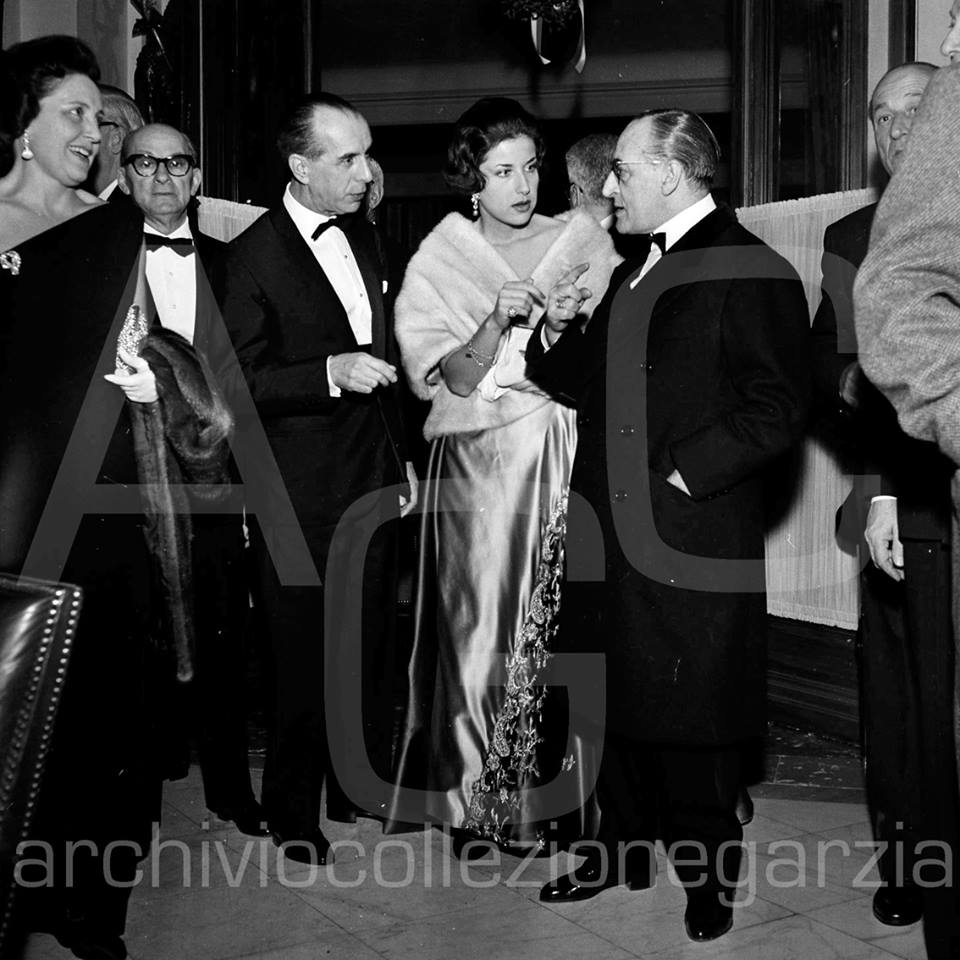
nella foto: Maria Callas e Grace Kelly a Montecarlo, 17/1/1962




 archiviocollezionegarzia.com