cantante

#CharlieChaplin

  • Sir Charles Spencer Chaplin, noto come Charlie Chaplin (Londra, 16 aprile 1889 – Corsier-sur-Vevey, 25 dicembre 1977), è stato un attore, regista, sceneggiatore, comico, compositore e produttore cinematografico britannico, autore di oltre novanta film e tra i più importanti e influenti cineasti del XX secolo.

Il personaggio attorno al quale costruì larga parte delle sue sceneggiature, e che gli diede fama universale, fu quello del “vagabondo” (The Tramp in inglese; Charlot in italiano, francese e spagnolo): un omino dalle raffinate maniere e la dignità di un gentiluomo, vestito di una stretta giacchetta, pantaloni e scarpe più grandi della sua misura, una bombetta e un bastone da passeggio in bambù; tipici del personaggio erano anche i baffetti e l’andatura ondeggiante. L’emotività sentimentale e il malinconico disincanto di fronte alla spietatezza e alle ingiustizie della società moderna, fecero di Charlot l’emblema dell’alienazione umana – in particolare delle classi sociali più emarginate – nell’era del progresso economico e industriale.

Chaplin fu una delle personalità più creative e influenti del cinema muto. La sua vita lavorativa nel campo dello spettacolo ha attraversato oltre 75 anni. Fu influenzato dal comico francese Max Linder, a cui dedicò uno dei suoi film. Star mondiale del cinema, fu oggetto di adulazione e di critiche serrate, anche a causa delle sue idee politiche. Nei primi anni cinquanta, durante le persecuzioni del cosiddetto Maccartismo, le sue idee di forte stampo progressista lo avversarono alla maggior parte della stampa; fu inviso anche al governo federale statunitense.

Mentre si trovava a Londra, gli fu negato il permesso di rientro negli USA: visse il resto della sua esistenza in Svizzera, “riabilitato” dall’opinione pubblica americana solo all’inizio degli anni settanta, quando tornò nella sua patria di adozione per ritirare l’Oscar alla carriera. Tra gli attori più famosi dalla nascita dell’industria hollywoodiana, L’American Film Institute lo ha inserito al decimo posto tra le più grandi star della storia del cinema.

Charles Chaplin era ateo.


  • Sir Charles Spencer “Charlie” Chaplin, KBE (16 April 1889 – 25 December 1977) was an English comic actor, filmmaker, and composer who rose to fame in the silent era. Chaplin became a worldwide icon through his screen persona “the Tramp” and is considered one of the most important figures in the history of the film industry.[1] His career spanned more than 75 years, from childhood in the Victorian era until a year before his death in 1977, and encompassed both adulation and controversy.

Chaplin’s childhood in London was one of poverty and hardship. As his father was absent and his mother struggled financially, he was sent to a workhouse twice before the age of nine. When he was 14, his mother was committed to a mental asylum. Chaplin began performing at an early age, touring music halls and later working as a stage actor and comedian. At 19 he was signed to the prestigious Fred Karno company, which took him to America. Chaplin was scouted for the film industry, and began appearing in 1914 for Keystone Studios. He soon developed the Tramp persona and formed a large fan base. Chaplin directed his own films from an early stage, and continued to hone his craft as he moved to the Essanay, Mutual, and First National corporations. By 1918, he was one of the best known figures in the world.

In 1919, Chaplin co-founded the distribution company United Artists, which gave him complete control over his films. His first feature-length was The Kid (1921), followed by A Woman of Paris (1923), The Gold Rush (1925), and The Circus (1928). He refused to move to sound films in the 1930s, instead producing City Lights (1931) and Modern Times (1936) without dialogue. Chaplin became increasingly political, and his next film, The Great Dictator (1940), satirised Adolf Hitler. The 1940s were a decade marked with controversy for Chaplin, and his popularity declined rapidly. He was accused of communist sympathies, while his involvement in a paternity suit and marriages to much younger women caused scandal. An FBI investigation was opened, and Chaplin was forced to leave the United States and settle in Switzerland. He abandoned the Tramp in his later films, which include Monsieur Verdoux (1947), Limelight (1952), A King in New York (1957), and A Countess from Hong Kong (1967).

Chaplin wrote, directed, produced, edited, starred in, and composed the music for most of his films. He was a perfectionist, and his financial independence enabled him to spend years on the development and production of a picture. His films are characterised by slapstick combined with pathos, typified in the Tramp’s struggles against adversity. Many contain social and political themes, as well as autobiographical elements. In 1972, as part of a renewed appreciation for his work, Chaplin received an Honorary Academy Award for “the incalculable effect he has had in making motion pictures the art form of this century”. He continues to be held in high regard, with The Gold Rush, City Lights, Modern Times, and The Great Dictator often ranked on industry lists of the greatest films of all time.

charlie chaplin famiglia003

#MitaMedici

Mita Medici, nome d’arte di Patrizia Vistarini (Roma, 22 agosto 1950), è una cantante e attrice italiana, attiva fin dalla seconda metà degli anni sessanta del Novecento. È stata anche interprete di fotoromanzi.

Nel 1968 il complesso musicale Le Orme pubblica una canzone a lei dedicata dal titolo Mita Mita, lato B del secondo singolo della band Senti l’estate che torna.

Figlia dell’attore Franco Silva e sorella dell’autrice di testi, sceneggiatrice e scrittrice Carla Vistarini, nel 1965, a quindici anni, vince il concorso Miss Teenager Italiana al Piper Club di Roma con il nome d’arte di Patrizia Perini, che presto cambia in Mita Medici; questa vittoria le consente di debuttare nel film L’estate (1966), al quale seguono, tra gli altri, Non stuzzicate la zanzara, “Pronto… c’è una certa Giuliana per te” (1967), Colpo di sole, “Come ti chiami amore” (1968) e Plagio (1969).

Diventa nota come “Ragazza del Piper”, e la band veneta Le Orme le dedica la canzone Mita, Mita, contenuta nell’album Ad gloriam; si avvicina quindi al canto, e firma un contratto con la Fonit-Cetra, che la fa partecipare alla Caravella dei successi con il brano Nella vita c’è un momento, cover di Early in the morning dei Vanity Fare tradotta da Sergio Bardotti e pubblicata su 45 giri con sul retro Questo amore finito così (scritta da tre componenti dei New Trolls, Giorgio D’Adamo, Vittorio De Scalzi e Nico Di Palo).

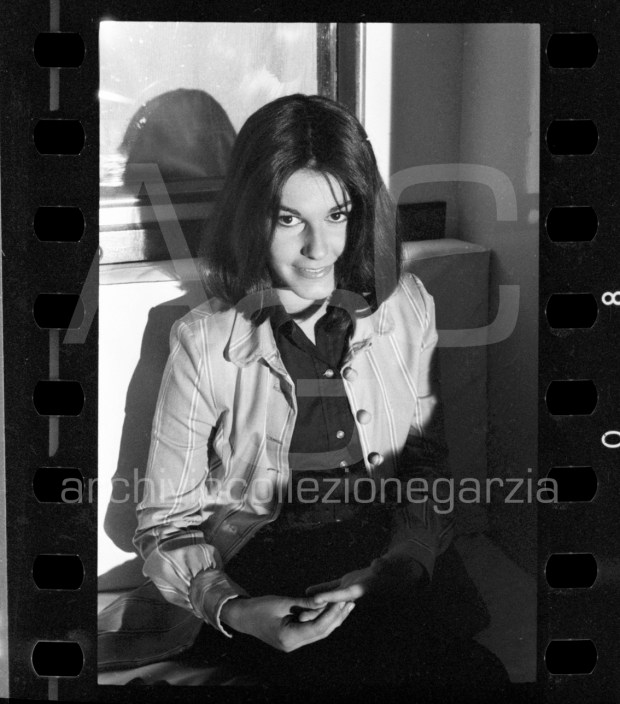
mita medici 001

https://youtu.be/PO3JkWRTzpc

#AnnaMagnani

Anna Magnani (Roma, 7 marzo 1908 – Roma, 26 settembre 1973) è stata un’attrice italiana.

Considerata una delle maggiori interpreti femminili della storia.Attrice simbolo del cinema italiano, è altresì particolarmente conosciuta per essere stata, insieme ad Alberto Sordi e Aldo Fabrizi, una delle figure preminenti della romanità cinematografica del XX secolo. Celebri le sue interpretazioni, soprattutto in film come Roma città aperta, Bellissima, Mamma Roma e La rosa tatuata. Quest’ultimo le valse un Oscar alla miglior attrice protagonista.


Anna Magnani (Italian pronunciation: [ˈanna maɲˈɲaːni]; 7 March 1908 – 26 September 1973) was an Italian stage and film actress. She won the Academy Award for Best Actress, along with four other international awards, for her portrayal of a Sicilian widow in The Rose Tattoo.

Born in Rome,she worked her way through Rome’s Academy of Dramatic Art by singing at night clubs. During her career, her only child was stricken by polio when he was 18 months old and remained crippled.

She was referred to as “La Lupa,” the “perennial toast of Rome” and a “living she-wolf symbol” of the cinema. Time magazine described her personality as “fiery”, and drama critic Harold Clurman said her acting was “volcanic”. In the realm of Italian cinema she was “passionate, fearless, and exciting,” an actress that film historian Barry Monush calls “the volcanic earth mother of all Italian cinema.”Director Roberto Rossellini called her “the greatest acting genius since Eleonora Duse”. Playwright Tennessee Williams became an admirer of her acting and wrote The Rose Tattoo specifically for her to star in, a role for which she received an Oscar in 1955.

After meeting director Goffredo Alessandrini she received her first screen role in La cieca di Sorrento (The Blind Woman of Sorrento) (1934) and later achieved international fame in Rossellini’s Rome, Open City (1945), considered the first significant movie to launch the Italian neorealism movement in cinema. As an actress she became recognized for her dynamic and forceful portrayals of “earthy lower-class women” in such films as L’Amore (1948), Bellissima (1951), The Rose Tattoo (1955), The Fugitive Kind (1959) and Mamma Roma (1962). As early as 1950 Life magazine had already stated that Magnani was “one of the most impressive actresses since Garbo”.

Anna Magnani a Parigi acquista dei regali per il natale del 1960 in compagnia del bassotto “Madame” che aveva lavorato con lei nel film “Siamo donne” del 1953

anna magnani053


https://youtu.be/HCrSEJOhWZg

#AlbertoSordi #AlbertoLattuada #IlMafioso

Mafioso è un film del 1962, diretto dal regista Alberto Lattuada.

Mafioso is a 1962 Italian black-comedy film directed by Alberto Lattuada. The film stars Alberto Sordi as a factory manager who visits his hometown in Sicily and is tasked with performing a hit for the mafia. It was awarded Best Film at the San Sebastian Film Festival.

Alberto Sordi (Roma, 15 giugno 1920 – Roma, 24 febbraio 2003) è stato un attore cinematografico, regista sceneggiatore, conduttore televisivo, compositore, cantante, e doppiatore italiano.

Alberto Sordi (Italian: [alˈbɛrto ˈsordi]; 15 June 1920 – 24 February 2003), Cavaliere di Gran Croce OMRI was an Italian actor. He was also a film director and the dubbing voice of Oliver Hardy in the Italian version of the Laurel & Hardy films.

Alberto Lattuada (Vaprio d’Adda, 14 novembre 1914 – Orvieto, 3 luglio 2005) è stato un regista, sceneggiatore, attore e produttore cinematografico italiano. Intellettuale dalla personalità eclettica, appassionato di letteratura, arte e fotografia, era noto soprattutto per aver trasposto sullo schermo molti celebri romanzi e alcuni colossal anche per il piccolo schermo.

Alberto Lattuada (Italian pronunciation: [alˈbɛrto lattuˈaːda; latˈtwaːda]; 13 November 1914 – 3 July 2005) was an Italian film director.


a sordi il mafioso S016

Antonio Badalamenti, diligente caposquadra e supervisore in un’industria meccanica lombarda, attende il suono della sirena che comunica la fine della giornata lavorativa. Antonio è un emigrante siciliano a Milano, uno dei tanti ma con maggiore fortuna, che si appresta a tornare in Sicilia per le vacanze estive con la sua famiglia quando, poco prima di andare verso casa, viene convocato da un dirigente, un italo-americano di origini siciliane, che gli consegna un piccolo pacco regalo da recapitare personalmente a Don Vincenzo, “notabile” e paesano di Antonio.

Antonio, sua moglie Marta, lombarda, e le due piccole bambine affrontano il lungo viaggio fino a Calamo dove vengono accolti dalla famiglia di lui con un lauto pranzo tipicamente siciliano. Nella consegna del regalo presso la villa del destinatario, Antonio viene dapprima bistrattato dalla domestica e poi convocato dal notabile. Il dono rappresenta, a sua insaputa, una sentenza di morte della Mafia americana da comunicare a quella siciliana, incaricata dell’esecuzione.

Dopo un alterco tra il padre e un venditore di un terreno a causa dell’aumento del prezzo preteso, Antonio fa un incontro apparentemente casuale con Liborio, braccio destro di Don Vincenzo, che lo invita ad accompagnarlo in paese mentre tenta di far rinascere in Antonio una presunta “sicilianità”, essendo stato in gioventù un “picciotto d’Onore” (non assassino, ma compiacente). Don Liborio gli regala una coppola e lo invita a sparare con una pistola a un chiosco con tiro a segno, risultando infallibile e suscitando la sua approvazione. Antonio viene convocato nuovamente da Don Vincenzo, che nel frattempo ha convinto il venditore riluttante ad accettare la vendita del terreno alle condizioni precedentemente pattuite. Antonio ricambia con un “bacia-mano”.

La sera prima di partire per la Lombardia, Antonio si sveglia di notte per andare a una battuta di caccia con gli amici, e per le strade del paese incontra don Liborio che lo invita a raggiungere don Vincenzo, il quale gli chiede un favore: “un viaggio” per consegnare una lettera in una meta sconosciuta, favore che Antonio, tra molte titubanze e quasi terrore, accetta.

Antonio viene fatto salire su un camion e rinchiuso in una cassa poi trasportata in aereo negli Stati Uniti; qui viene prelevato e condotto in un appartamento dove, insieme a dei malavitosi newyorchesi, visiona un filmino amatoriale che gli illustra il motivo del suo viaggio, quello di eliminare un uomo caduto in disgrazia. Antonio, oramai pienamente coinvolto, viene condotto in una sala di un barbiere e fredda la vittima seduta in poltrona, poi fa ritorno in Sicilia con le stesse modalità dell’andata per poi rincasare con tanto di selvaggina procuratagli per l’occasione.

Tornato in fabbrica, fa visita al ragioniere a cui aveva sottratto inavvertitamente una penna poco prima della partenza, che lo ringrazia esclamando che se tutti fossero come Antonio si vivrebbe meglio. Lo sguardo di Antonio indugia feroce sulla frase appena ascoltata, per poi tornare speditamente ai suoi obblighi di caposquadra. La sua vita cambierà per sempre.

#LouisArmstrong #BrigitteBardot #JeanPaulBelmondo’ #ClaudiaCardinale #ChetBaker #NatKingCole #EllaFitzgerald #FedericoFellini #PaulNewman #AnnaMagnani #PierPaoloPasolini #MilesDavis #MaxRoach #MinaMazzini #MarcelloMastroianni #DomenicoModugno #PierpaoloPasolini #GinoPaoli #AlbertoSordi #Litz Taylor and more…

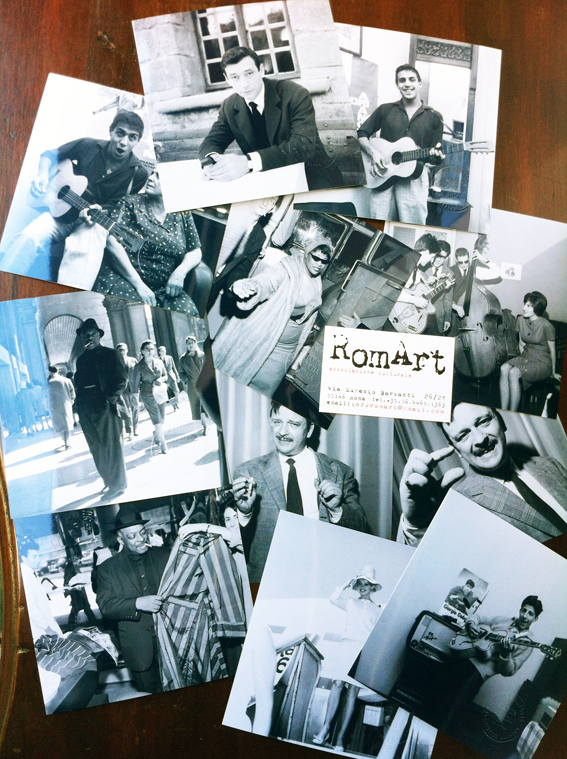
COMPRA UNA FOTO E SOSTIENI L’ ARCHIVIO COLLEZIONE GARZIA

Tutto pronto per le prime spedizioni! Ordina adesso le foto!

E’ molto semplice: copia la foto desiderata, spedisci una email a: inforomart@gmail.com e riceverai le modalità per il pagamento e la ricezione.

Stiamo predisponendo il pagamento tramite PayPal o in alternativa un bonifico all’associazione.

( Sono stampate e montate a mano nei passepartout e richiedono circa 2 giorni per essere preparate.)


IMG_7032 IMG_7033 IMG_7034 IMG_7035 IMG_7036 IMG_7037 IMG_7038 IMG_7039 IMG_7040 IMG_7041 IMG_7042 IMG_7043 IMG_7044 IMG_7045 IMG_7046 IMG_7047 IMG_7048 IMG_7049 IMG_7050 IMG_7051 IMG_7052 IMG_7053 IMG_7054 IMG_7055 IMG_7056 IMG_7057 IMG_7058 IMG_7059

#MariaCallas

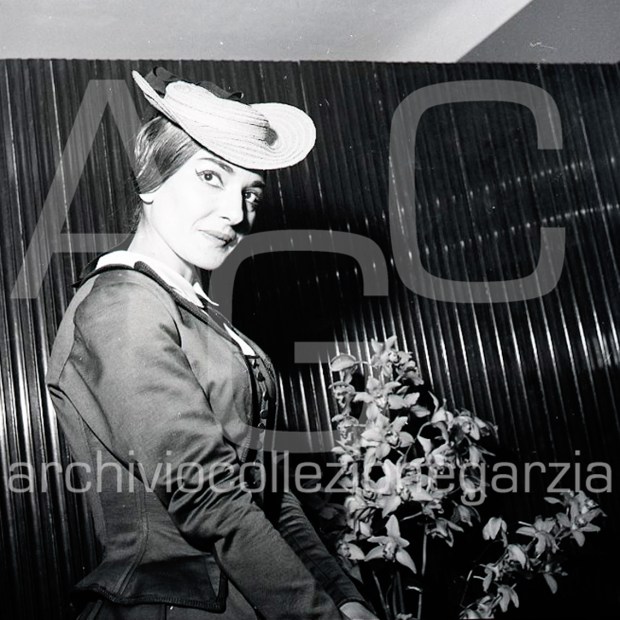
Maria Callas, nome d’arte di Anna Maria Cecilia Sophia Kalogeropoulou (greco: Άννα Μαρία Καικιλία Σοφία Καλογεροπούλου; New York, 2 dicembre 1923 – Parigi, 16 settembre 1977), è stata un soprano greco, in possesso della nazionalità statunitense e naturalizzata italiana fino al 1966, quando rinunciò ad entrambe per ottenere quella greca[1]. Nata a New York da genitori greci, Maria Callas studiò ad Atene dal 1939 al 1945, intraprendendo la carriera internazionale dai tardi anni quaranta agli anni sessanta.


Η Μαρία Κάλλας (Μαρία Άννα Σοφία Καικιλία Καλογεροπούλου) (Νέα Υόρκη, 2 Δεκεμβρίου 1923 – Παρίσι 16 Σεπτεμβρίου 1977) υπήρξε κορυφαία υψίφωνος και η πλέον γνωστή παγκοσμίως ντίβα της όπερας.


Maria Callas, Commendatore OMRI (Greek: Μαρία Κάλλας; December 2, 1923 – September 16, 1977), was an American-born Greek soprano and one of the most renowned and influential opera singers of the 20th century. Critics praised her bel canto technique, wide-ranging voice and dramatic interpretations. Her repertoire ranged from classical opera seria to the bel canto operas of Donizetti, Bellini and Rossini and further, to the works of Verdi and Puccini; and, in her early career, to the music dramas of Wagner. Her musical and dramatic talents led to her being hailed as La Divina.

Born in New York City and raised by an overbearing mother, she received her musical education in Greece and established her career in Italy. Forced to deal with the exigencies of wartime poverty and with myopia that left her nearly blind onstage, she endured struggles and scandal over the course of her career. She turned herself from a heavy woman into a svelte and glamorous one after a mid-career weight loss, which might have contributed to her vocal decline and the premature end of her career. The press exulted in publicizing Callas’s allegedly temperamental behavior, her supposed rivalry with Renata Tebaldi and her love affair with Greek shipping tycoon Aristotle Onassis. Although her dramatic life and personal tragedy have often overshadowed Callas the artist in the popular press, her artistic achievements were such that Leonard Bernstein called her “the Bible of opera” and her influence so enduring that, in 2006, Opera News wrote of her: “Nearly thirty years after her death, she’s still the definition of the diva as artist—and still one of classical music’s best-selling vocalists.

callas-visconti00 W

https://youtu.be/7rjGwS20V94

#GilbertBécaud

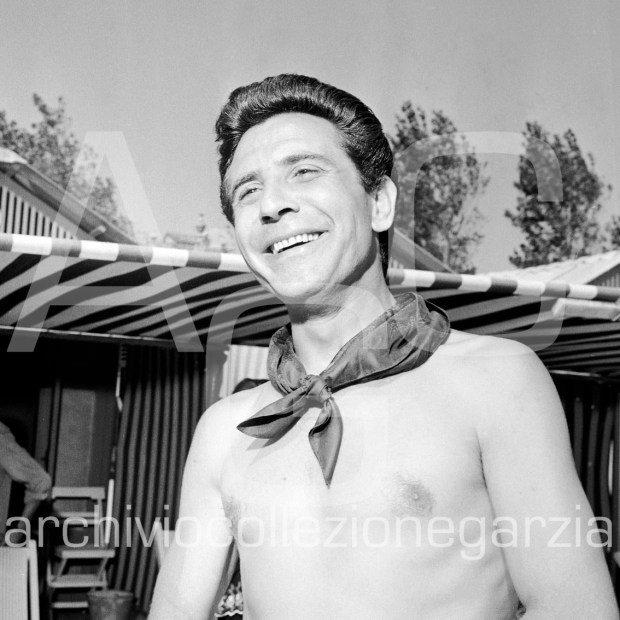
Gilbert Bécaud, pseudonimo di François Gilbert Silly (Tolone, 24 ottobre 1927 – Parigi, 18 dicembre 2001), è stato un cantante e compositore francese. Fu soprannominato Monsieur 100.000 volt (Signor 100.000 volt) per la sua grande energia sulla scena e per le sue oltre 400 canzoni. Il suo successo più celebre Et maintenant è del 1961.

François Gilbert Léopold Silly, dit Gilbert Bécaud , né le 24 octobre 1927 à Toulon et mort le 18 décembre 2001 à Boulogne-Billancourt est un chanteur, compositeur, pianiste et acteur français.

Au cours de sa carrière, il se produit trente-trois fois sur la scène de l’Olympia, où il gagne son surnom de « Monsieur 100 000 volts » en raison de son sens du swing, à cause des passions qu’il soulevait dans son sillage et de ses fans qui, souvent, cassaient par enthousiasme les fauteuils. Il laisse l’image d’un homme électrique, toujours en mouvement. Sa cravate à pois, ses quelque quatre cents chansons et sa main sur l’oreille (pour être sûr de chanter juste) sont d’autres images spécifiques qui ont marqué les esprits.

Gilbert Bécaud (French pronunciation: ​[ʒil.bɛːʁ be.ko], 24 October 1927 – 18 December 2001) was a French singer, composer, pianist and actor, known as “Monsieur 100.000 Volts” for his energetic performances. His best-known hits are “Nathalie” and “Et Maintenant”, a 1961 release that became an English language hit as “What Now My Love”. He remained a popular artist for nearly fifty years, identifiable in his dark blue suits, with a white shirt and “lucky tie”; blue with white polka dots. When asked to explain his gift he said, “A flower doesn’t understand botany.” His favourite venue was the Paris Olympia under the management of Bruno Coquatrix. He debuted there in 1954 and headlined in 1955, attracting 6,000 on his first night, three times the capacity. On November 13, 1997, Bécaud was present for the re-opening of the venue after its reconstruction.

Gilbert Becau venezia 1962 neg 152660 W b6016


https://youtu.be/DO3xw5J7OxM

#AnnaMagnani

Anna Magnani (Roma, 7 marzo 1908 – Roma, 26 settembre 1973) è stata un’attrice italiana. È considerata una delle maggiori interpreti femminili della storia. Attrice simbolo del cinema italiano, è altresì particolarmente conosciuta per essere stata, insieme ad Aldo Fabrizi e Alberto Sordi, una delle figure preminenti della romanità cinematografica del XX secolo.

Celebri le sue interpretazioni, soprattutto in film come Roma città aperta, Bellissima, Mamma Roma e La rosa tatuata. Quest’ultimo le valse un Oscar alla miglior attrice protagonista.

Anna Magnani (Italian pronunciation: [ˈanna maɲˈɲaːni]; 7 March 1908 – 26 September 1973) was an Italian stage and film actress. She won the Academy Award for Best Actress, along with four other international awards, for her portrayal of a Sicilian widow in The Rose Tattoo.

Born in Rome, she worked her way through Rome’s Academy of Dramatic Art by singing at night clubs. During her career, her only child was stricken by polio when he was 18 months old and remained crippled.

She was referred to as “La Lupa,” the “perennial toast of Rome” and a “living she-wolf symbol” of the cinema. Time magazine described her personality as “fiery”, and drama critic Harold Clurman said her acting was “volcanic”. In the realm of Italian cinema she was “passionate, fearless, and exciting,” an actress that film historian Barry Monush calls “the volcanic earth mother of all Italian cinema.”Director Roberto Rossellini called her “the greatest acting genius since Eleonora Duse”. Playwright Tennessee Williams became an admirer of her acting and wrote The Rose Tattoo specifically for her to star in, a role for which she received an Oscar in 1955.

After meeting director Goffredo Alessandrini she received her first screen role in La cieca di Sorrento (The Blind Woman of Sorrento) (1934) and later achieved international fame in Rossellini’s Rome, Open City (1945), considered the first significant movie to launch the Italian neorealism movement in cinema. As an actress she became recognized for her dynamic and forceful portrayals of “earthy lower-class women” in such films as L’Amore (1948), Bellissima (1951), The Rose Tattoo (1955), The Fugitive Kind (1959) and Mamma Roma (1962). As early as 1950 Life magazine had already stated that Magnani was “one of the most impressive actresses since Garbo”.

anna magnani b. 01595 W


#AdrianoCelentano

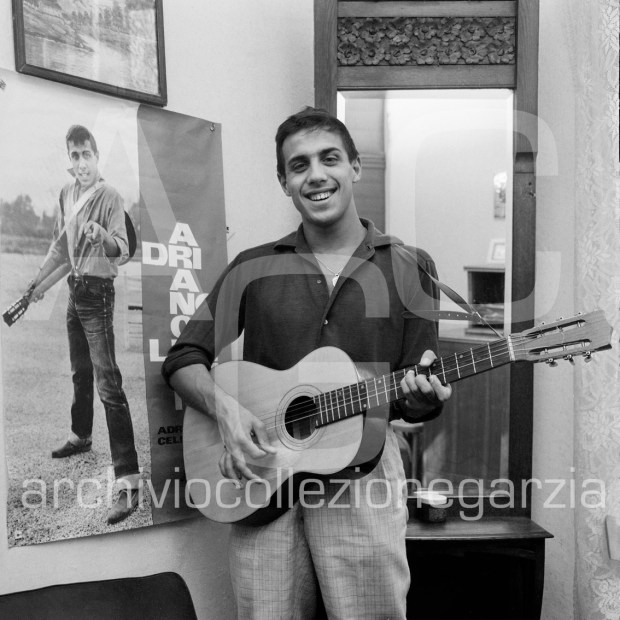
Adriano Celentano (Milano, 6 gennaio 1938) è un cantautore, ballerino, conduttore televisivo, attore, regista, sceneggiatore, produttore discografico, montatore, e showman italiano.

È soprannominato il molleggiato per via del suo modo di ballare. In tutta la sua carriera Celentano ha venduto oltre 150 milioni di dischi. Adriano Celentano è l’artista italiano con le più alte vendite di dischi stimati.

Molto spesso anche autore delle musiche e canzoni (a volte coautore di musica e testi, anche se, secondo la moglie Claudia Mori, li lasciò firmare ad altri) grazie alla sua carriera e ai suoi grandi successi, non solo in Italia ma anche nel resto del mondo, è considerato uno dei pilastri della musica leggera italiana. Il suo carattere ha fatto sì che attorno a Celentano si costruisse un personaggio divenuto un emblema e un’icona per molti italiani del secondo dopoguerra.

Gli viene riconosciuto il merito di avere capito che qualcosa nel mondo della musica (e del costume) stava cambiando, e quindi di avere introdotto in Italia, influenzato dalle nuove stelle del rock and roll proveniente dagli Stati Uniti, un nuovo tipo di musica, sfrenata e di grande appeal soprattutto per i giovani di allora.

Ha recitato in circa 40 film, e pubblicato altrettanti album discografici riscuotendo enorme successo sia nel campo musicale sia nel mondo del cinema che lo ha visto trionfare dalla fine degli anni sessanta fino agli inizi dei novanta con Jackpot che ad oggi rimane il suo ultimo film.

Adriano Celentano (Italian pronunciation: [adriˈaːno tʃelenˈtaːno]; born 6 January 1938) is an Italian singer, composer, comedian, actor, film director and TV host. He is the best-selling male Italian singer.

Celentano was born in Milan at 14 Via Gluck, about which he later wrote the famous song “Il ragazzo della via Gluck” (“The boy from Gluck Street”). His parents were from Foggia, in Apulia, and had moved north for work.

Heavily influenced by his idol Elvis Presley and the 1950s rock revolution and by the American actor Jerry Lewis, he has retained his popularity in Italy for over 50 years, selling millions of records and appearing in numerous TV shows and movies. In the latter respect, he has also been a creator of a comic genre, with his characteristic walking and his facial expressions. For the most part, his films were commercially successful; indeed in the 1970s and part of the 1980s, he was the king of the Italian box office in low budget movies. As an actor, critics point to Serafino (1968), directed by Pietro Germi, as his best performance.

He has released forty albums, comprising twenty nine studio albums, three live albums, and eight compilations. His most famous songs are “La coppia piu’ bella del mondo”, which sold over one million copies, and was awarded a gold disc; “Azzurro” (1968), written by Paolo Conte; and “Prisencolinensinainciusol” (1972), which was written to mimic the way English sounds to non-English speakers despite being almost entirely nonsense.

Celentano was referenced in the 1979 Ian Dury and the Blockheads song and single, “Reasons to be Cheerful, Part 3”, as one of the aforementioned “reasons to be cheerful,” and in Fellini’s 1986 film Ginger and Fred.

Adriano Celentano has been a vegetarian since 2005 and defends animal rights.


celentano busta 4179 -009 W


#MarcelloMarchesi

Marcello Marchesi (Milano, 14 aprile 1912 – Cabras, 19 luglio 1978) è stato uno scrittore, sceneggiatore, regista cinematografico e teatrale, paroliere e attore italiano.

Fu anche giornalista, scrittore, autore di canzoni e cantante, autore di programmi televisivi e radiofonici, pubblicitario e talent scout (lanciò fra gli altri Sandra Mondaini, Gino Bramieri, Walter Chiari, Gianni Morandi, Cochi e Renato, Paolo Villaggio). La sua vita privata e la sua carriera si incrociarono con le fasi salienti e i personaggi più importanti della storia italiana del 1900.

Marcello Marchesi (4 April 1912 – 19 July 1978) was an Italian screenwriter and film director. He wrote 64 films between 1939 and 1977. He also directed six films between 1951 and 1952.

He was born in Rome, Italy and died in San Giovanni in Sinis, Italy.

marcello marchesi W