rome

#MitaMedici

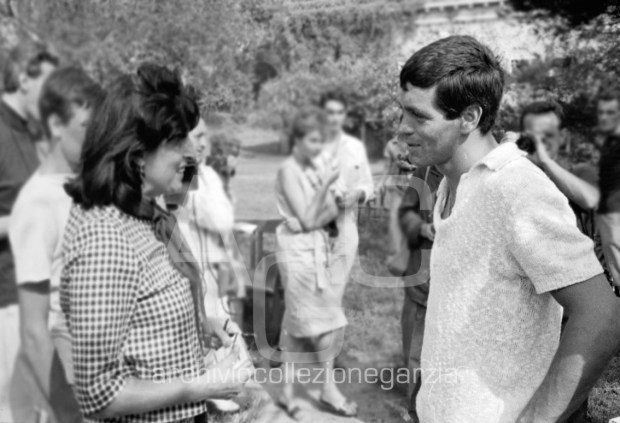
Mita Medici, nome d’arte di Patrizia Vistarini (Roma, 22 agosto 1950), è una cantante e attrice italiana, attiva fin dalla seconda metà degli anni sessanta del Novecento. È stata anche interprete di fotoromanzi.

Nel 1968 il complesso musicale Le Orme pubblica una canzone a lei dedicata dal titolo Mita Mita, lato B del secondo singolo della band Senti l’estate che torna.

Figlia dell’attore Franco Silva e sorella dell’autrice di testi, sceneggiatrice e scrittrice Carla Vistarini, nel 1965, a quindici anni, vince il concorso Miss Teenager Italiana al Piper Club di Roma con il nome d’arte di Patrizia Perini, che presto cambia in Mita Medici; questa vittoria le consente di debuttare nel film L’estate (1966), al quale seguono, tra gli altri, Non stuzzicate la zanzara, “Pronto… c’è una certa Giuliana per te” (1967), Colpo di sole, “Come ti chiami amore” (1968) e Plagio (1969).

Diventa nota come “Ragazza del Piper”, e la band veneta Le Orme le dedica la canzone Mita, Mita, contenuta nell’album Ad gloriam; si avvicina quindi al canto, e firma un contratto con la Fonit-Cetra, che la fa partecipare alla Caravella dei successi con il brano Nella vita c’è un momento, cover di Early in the morning dei Vanity Fare tradotta da Sergio Bardotti e pubblicata su 45 giri con sul retro Questo amore finito così (scritta da tre componenti dei New Trolls, Giorgio D’Adamo, Vittorio De Scalzi e Nico Di Palo).
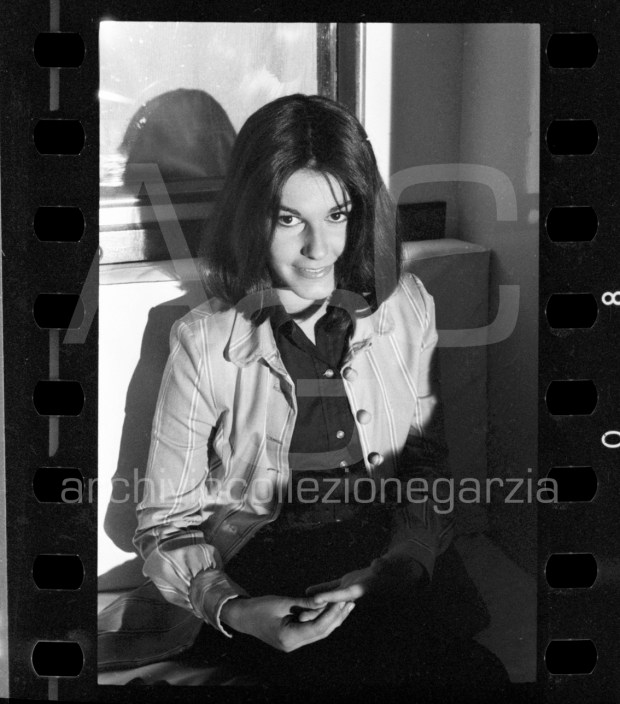
mita medici 001

https://youtu.be/PO3JkWRTzpc

#IsaBarsizza

-Luisita “Isa” Barzizza (Sanremo, 22 novembre 1929) è un’attrice italiana, considerata una delle più importanti interpreti della rivista, del cinema e della televisione italiani.

Figlia del direttore d’orchestra Pippo Barzizza e della di lui consorte Tatina Salesi, studiò al Liceo Classico Vincenzo Gioberti di Torino e iniziò parallelamente a partecipare a rappresentazioni teatrali di prosa in ruoli secondari, vicino ad attori come Ruggero Ruggeri, Elsa Merlini ed Eduardo De Filippo.

 All’inizio Pippo Barzizza era contrario all’attività teatrale della figlia. Fu Erminio Macario che la lanciò nel mondo del teatro, dopo che la Barzizza ebbe terminato gli studi liceali. Il grande attore chiese personalmente al padre di Isa di farla debuttare in una sua rivista. Il padre accettò a patto che Isa fosse sempre seguita da una governante e così fu. Isa Barzizza debuttò con Le educande di San Babila del 1947, seguita poi da Follie di Amleto del 1947-48.
-Isa Barzizza (22 November 1929) is an Italian stage, film and television actress. She has appeared in 46 films since 1947. Born in Sanremo, Barzizza is the daughter of the conductor and composer Pippo Barzizza. She started working in amateur dramatics at very young age, and she made her professional debut while still being a high school student, notably working with the stage companies led by Ruggero Ruggeri, Elsa Merlini and by the brothers Eduardo, Peppino and Titina De Filippo.
isa barsizza

#AnnaMagnani #FrancoCitti

Franco Citti (Roma, 23 aprile 1935 – Roma, 14 gennaio 2016) è stato un attore e regista italiano.

Viene scoperto da Pier Paolo Pasolini per il quale impersona il protagonista del suo film Accattone. L’anno seguente è Tommaso in Una vita violenta di Paolo Heusch e Brunello Rondi. Nel 1967 è Edipo nel film Edipo Re. L’anno dopo è un trafficante d’armi in Somalia nel film di denuncia Seduto alla sua destra di Valerio Zurlini. Tornerà nuovamente a essere diretto da Pasolini. È un cannibale in Porcile (1969), Ser Ciappelletto ne Il Decameron (1971), Satana ne I racconti di Canterbury (1973) e un demone ne Il fiore delle Mille e una notte (1974). Nel 1970 è il protagonista del film Ostia, esordio alla regia del fratello Sergio. Interpreterà per lui altri film, scritti dal fratello assieme all’amico Vincenzo Cerami, come Storie scellerate (1973), Casotto (1977) e Il minestrone (1981). Nel 1972 e nel 1990 interpreta il ruolo di Calò ne Il padrino e Il padrino – Parte III entrambi diretti da Francis Ford Coppola.

Anna Magnani (Roma, 7 marzo 1908 – Roma, 26 settembre 1973) è stata un’attrice italiana.

Considerata una delle maggiori interpreti femminili della storia.[1][2][3][4] Attrice simbolo del cinema italiano, è altresì particolarmente conosciuta per essere stata, insieme ad Alberto Sordi e Aldo Fabrizi, una delle figure preminenti della romanità cinematografica del XX secolo.[5] Celebri le sue interpretazioni, soprattutto in film come Roma città aperta, Bellissima, Mamma Roma e La rosa tatuata. Quest’ultimo le valse un Oscar alla miglior attrice protagonista.

magnani citti b 6019-007

#JaquelineKennedyOnassis

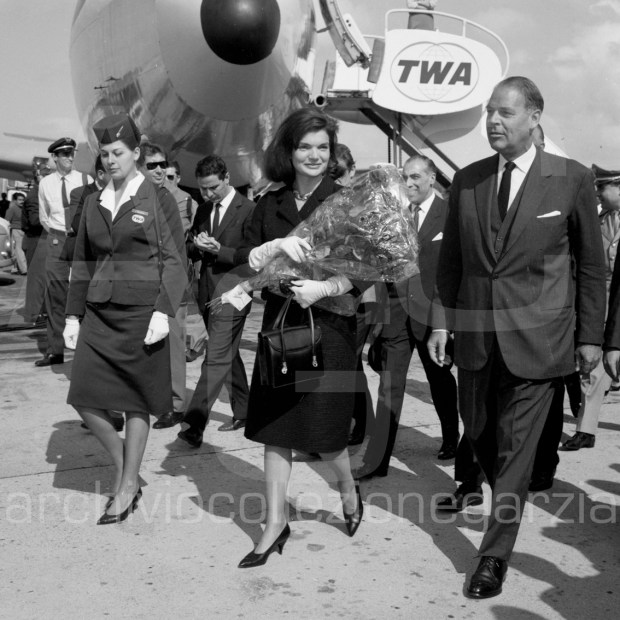
Jacqueline Lee Bouvier, detta Jackie (Jackie Kennedy, durante il primo matrimonio, Jackie O, durante il secondo), coniugata Kennedy in prime nozze e Onassis in seconde nozze (Southampton, 28 luglio 1929 – New York, 19 maggio 1994), è stata una first lady statunitense.

Fu la moglie di John Fitzgerald Kennedy, 35º presidente degli Stati Uniti, First Lady dal 20 gennaio 1961 al 22 novembre 1963, data dell’assassinio del marito. Vedova, sposò poi l’armatore greco Aristotele Onassis.

Jacqueline LeeJackieKennedy Onassis (née Bouvier, pronounced /ˌˈækln ˈl ˈbvi/; July 28, 1929 – May 19, 1994) was the wife of the 35th President of the United States, John F. Kennedy, and First Lady of the United States during his presidency from 1961 until his assassination in 1963. Five years later, she married Greek shipping magnate Aristotle Onassis; they remained married until his death in 1975.

Jacqueline was the elder daughter of Wall Street stockbroker John Vernou Bouvier III and socialite Janet Norton Lee, who divorced in 1940. In 1951, she graduated with a Bachelor of Arts degree in French literature at George Washington University and went on to work for the Washington Times-Herald as an Inquiring Photographer.

In 1952, Jacqueline met Congressman John F. Kennedy at a dinner party. Shortly after, he was elected to the United States Senate and the couple married the following year. They had four children, two of whom died in infancy. As First Lady, she aided her husband’s administration with her presence in social events and with her highly publicized restoration of the White House. On November 22, 1963, she was riding with her husband in a motorcade in Dallas, Texas, when he was assassinated. She and her children withdrew from public view after his funeral, and she remarried in 1968 after the assassination of Robert F. Kennedy.

Following her second husband’s death, for the final two decades of her life, Jacqueline Kennedy Onassis had a career as a book editor. She is remembered for her contributions to the arts and preservation of historic architecture, as well as for her style, elegance, and grace. She was a fashion icon; her famous ensemble of pink Chanel suit and matching pillbox hat has become symbolic of her husband’s assassination and one of the lasting images of the 1960s. She ranks as one of the most popular First Ladies and in 1999 was named on Gallup’s list of Most Admired Men and Women in 20th century America.jaqueline kennedy a fiumino siste

#SilvanaPampanini

Silvana Pampanini (Roma, 25 settembre 1925 – Roma, 6 gennaio 2016) è stata un’attrice cinematografica italiana che ha goduto di una grande notorietà negli anni cinquanta.

Di famiglia veneta trapiantata a Roma da tre generazioni, si diplomò all’istituto magistrale e al conservatorio musicale di Santa Cecilia. Era ancora una studentessa quando si iscrisse al concorso di Miss Italia rilanciato a Stresa nel settembre del 1946 dopo la pausa bellica: nonostante la vittoria ufficiale di Rossana Martini le vivaci proteste del pubblico determinarono l’assegnazione del premio “ex aequo” anche a Silvana.

Questo concorso di bellezza la lanciò nel mondo del cinema: la Pampanini iniziò la carriera come interprete di pellicole musicali e acquisì una popolarità crescente tramite i settimanali illustrati e i cinegiornali. Suo padre, inizialmente contrario alla carriera della figlia come attrice, lasciò il proprio lavoro e divenne il suo abile agente.

Nella prima metà degli anni cinquanta, poco prima che Sophia Loren e Gina Lollobrigida raggiungessero una grande notorietà, per una breve stagione la Pampanini fu il simbolo più rappresentativo della bellezza italiana a livello mondiale, assieme a Lucia Bosè e Silvana Mangano. Grazie alla sua solida preparazione musicale nel decennio 1947/1957 fu ingaggiata anche per registrare, su dischi in vinile a 78 e 45 giri, numerose canzoni che non sono mai state ripubblicate su supporti più moderni.


Born in Rome, Pampanini became one of the most popular movie actresses in her country and was considered a sex symbol in the 1950s. In 1955 she visited New York, Denver and Hollywood but rejected job offers because she could not speak English properly and had some problems with the tax office.

She was also appreciated in France, where they nicknamed her Ninì Pampan, Spain, where she appeared in Tirma, South America, especially in Mexico, where she starred in Sed de Amor with Pedro Armendáriz, and Egypt. She worked with other internationally important actors and directors such as Buster Keaton, Vittorio Gassman, Marcello Mastroianni, Alberto Sordi, Totò, Jean Gabin, Henri Vidal, Abel Gance, Vittorio De Sica.

silvana pampanini 6-57 023

https://youtu.be/S1j2wOKBkNU

#AnnaMagnani

Anna Magnani (Roma, 7 marzo 1908 – Roma, 26 settembre 1973) è stata un’attrice italiana.

Considerata una delle maggiori interpreti femminili della storia.Attrice simbolo del cinema italiano, è altresì particolarmente conosciuta per essere stata, insieme ad Alberto Sordi e Aldo Fabrizi, una delle figure preminenti della romanità cinematografica del XX secolo. Celebri le sue interpretazioni, soprattutto in film come Roma città aperta, Bellissima, Mamma Roma e La rosa tatuata. Quest’ultimo le valse un Oscar alla miglior attrice protagonista.


Anna Magnani (Italian pronunciation: [ˈanna maɲˈɲaːni]; 7 March 1908 – 26 September 1973) was an Italian stage and film actress. She won the Academy Award for Best Actress, along with four other international awards, for her portrayal of a Sicilian widow in The Rose Tattoo.

Born in Rome,she worked her way through Rome’s Academy of Dramatic Art by singing at night clubs. During her career, her only child was stricken by polio when he was 18 months old and remained crippled.

She was referred to as “La Lupa,” the “perennial toast of Rome” and a “living she-wolf symbol” of the cinema. Time magazine described her personality as “fiery”, and drama critic Harold Clurman said her acting was “volcanic”. In the realm of Italian cinema she was “passionate, fearless, and exciting,” an actress that film historian Barry Monush calls “the volcanic earth mother of all Italian cinema.”Director Roberto Rossellini called her “the greatest acting genius since Eleonora Duse”. Playwright Tennessee Williams became an admirer of her acting and wrote The Rose Tattoo specifically for her to star in, a role for which she received an Oscar in 1955.

After meeting director Goffredo Alessandrini she received her first screen role in La cieca di Sorrento (The Blind Woman of Sorrento) (1934) and later achieved international fame in Rossellini’s Rome, Open City (1945), considered the first significant movie to launch the Italian neorealism movement in cinema. As an actress she became recognized for her dynamic and forceful portrayals of “earthy lower-class women” in such films as L’Amore (1948), Bellissima (1951), The Rose Tattoo (1955), The Fugitive Kind (1959) and Mamma Roma (1962). As early as 1950 Life magazine had already stated that Magnani was “one of the most impressive actresses since Garbo”.

Anna Magnani a Parigi acquista dei regali per il natale del 1960 in compagnia del bassotto “Madame” che aveva lavorato con lei nel film “Siamo donne” del 1953

anna magnani053


https://youtu.be/HCrSEJOhWZg

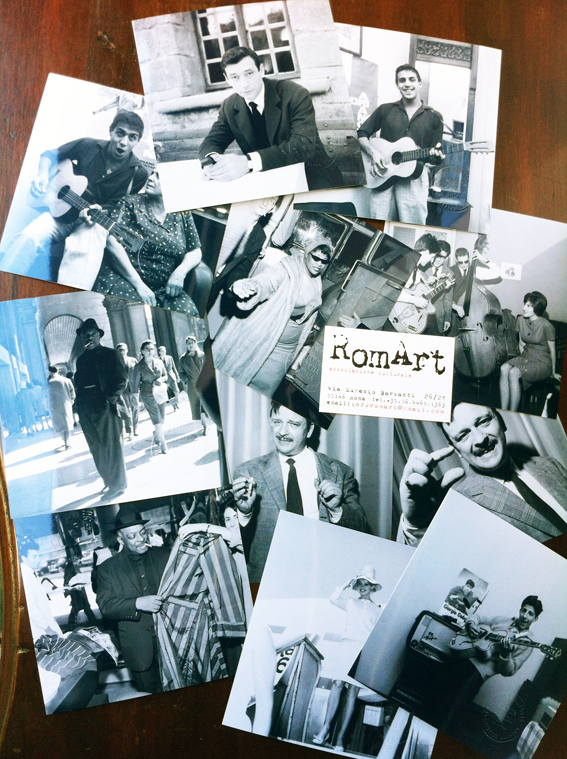
#LouisArmstrong #BrigitteBardot #JeanPaulBelmondo’ #ClaudiaCardinale #ChetBaker #NatKingCole #EllaFitzgerald #FedericoFellini #PaulNewman #AnnaMagnani #PierPaoloPasolini #MilesDavis #MaxRoach #MinaMazzini #MarcelloMastroianni #DomenicoModugno #PierpaoloPasolini #GinoPaoli #AlbertoSordi #Litz Taylor and more…

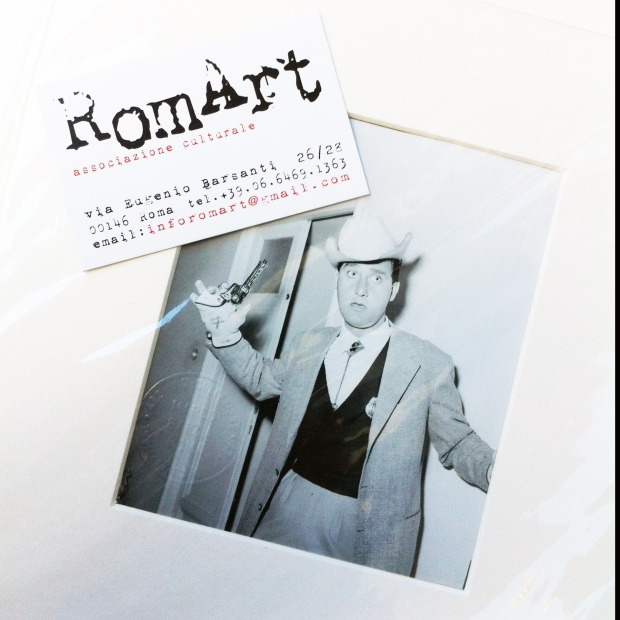
COMPRA UNA FOTO E SOSTIENI L’ ARCHIVIO COLLEZIONE GARZIA

Tutto pronto per le prime spedizioni! Ordina adesso le foto!

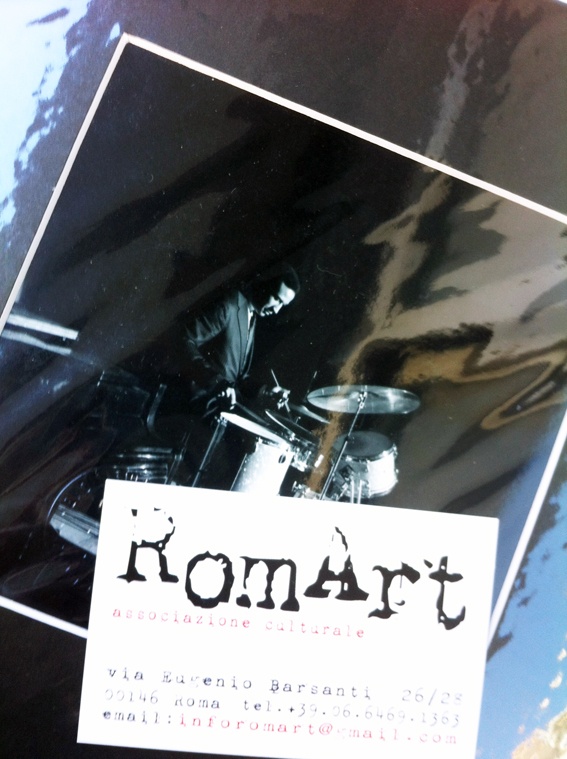
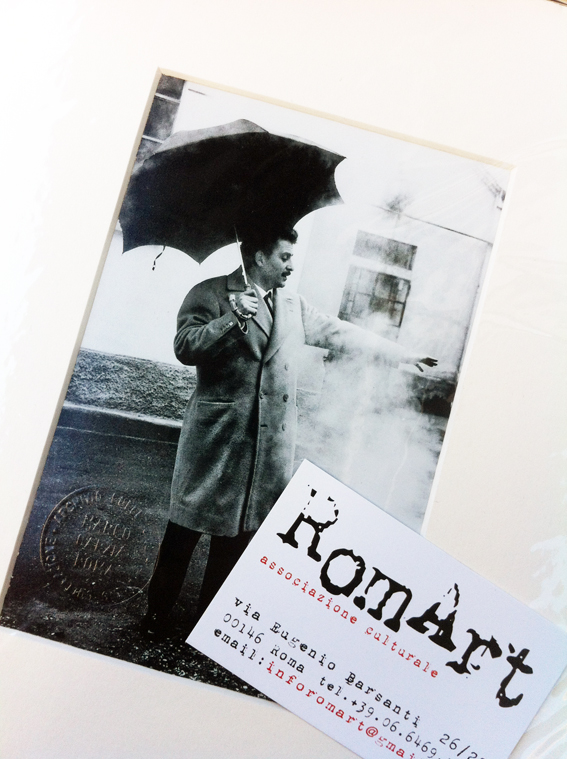
E’ molto semplice: copia la foto desiderata, spedisci una email a: inforomart@gmail.com e riceverai le modalità per il pagamento e la ricezione.

Stiamo predisponendo il pagamento tramite PayPal o in alternativa un bonifico all’associazione.

( Sono stampate e montate a mano nei passepartout e richiedono circa 2 giorni per essere preparate.)


IMG_7032 IMG_7033 IMG_7034 IMG_7035 IMG_7036 IMG_7037 IMG_7038 IMG_7039 IMG_7040 IMG_7041 IMG_7042 IMG_7043 IMG_7044 IMG_7045 IMG_7046 IMG_7047 IMG_7048 IMG_7049 IMG_7050 IMG_7051 IMG_7052 IMG_7053 IMG_7054 IMG_7055 IMG_7056 IMG_7057 IMG_7058 IMG_7059

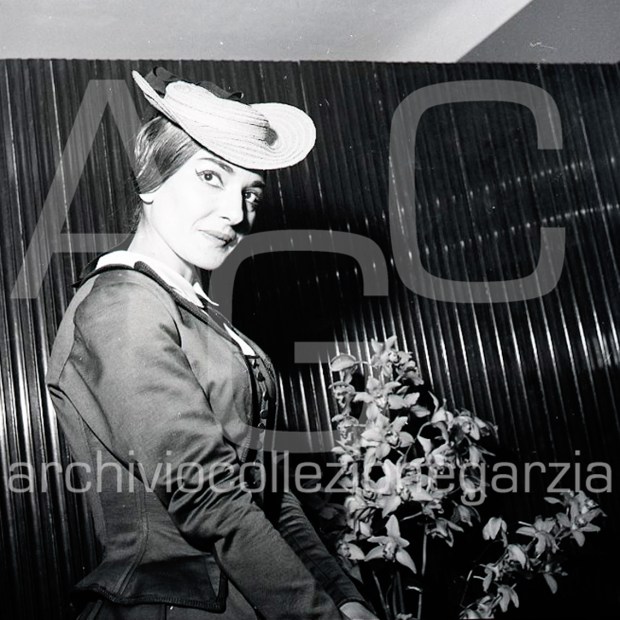
#MariaCallas

Maria Callas, nome d’arte di Anna Maria Cecilia Sophia Kalogeropoulou (greco: Άννα Μαρία Καικιλία Σοφία Καλογεροπούλου; New York, 2 dicembre 1923 – Parigi, 16 settembre 1977), è stata un soprano greco, in possesso della nazionalità statunitense e naturalizzata italiana fino al 1966, quando rinunciò ad entrambe per ottenere quella greca[1]. Nata a New York da genitori greci, Maria Callas studiò ad Atene dal 1939 al 1945, intraprendendo la carriera internazionale dai tardi anni quaranta agli anni sessanta.


Η Μαρία Κάλλας (Μαρία Άννα Σοφία Καικιλία Καλογεροπούλου) (Νέα Υόρκη, 2 Δεκεμβρίου 1923 – Παρίσι 16 Σεπτεμβρίου 1977) υπήρξε κορυφαία υψίφωνος και η πλέον γνωστή παγκοσμίως ντίβα της όπερας.


Maria Callas, Commendatore OMRI (Greek: Μαρία Κάλλας; December 2, 1923 – September 16, 1977), was an American-born Greek soprano and one of the most renowned and influential opera singers of the 20th century. Critics praised her bel canto technique, wide-ranging voice and dramatic interpretations. Her repertoire ranged from classical opera seria to the bel canto operas of Donizetti, Bellini and Rossini and further, to the works of Verdi and Puccini; and, in her early career, to the music dramas of Wagner. Her musical and dramatic talents led to her being hailed as La Divina.

Born in New York City and raised by an overbearing mother, she received her musical education in Greece and established her career in Italy. Forced to deal with the exigencies of wartime poverty and with myopia that left her nearly blind onstage, she endured struggles and scandal over the course of her career. She turned herself from a heavy woman into a svelte and glamorous one after a mid-career weight loss, which might have contributed to her vocal decline and the premature end of her career. The press exulted in publicizing Callas’s allegedly temperamental behavior, her supposed rivalry with Renata Tebaldi and her love affair with Greek shipping tycoon Aristotle Onassis. Although her dramatic life and personal tragedy have often overshadowed Callas the artist in the popular press, her artistic achievements were such that Leonard Bernstein called her “the Bible of opera” and her influence so enduring that, in 2006, Opera News wrote of her: “Nearly thirty years after her death, she’s still the definition of the diva as artist—and still one of classical music’s best-selling vocalists.

callas-visconti00 W

https://youtu.be/7rjGwS20V94

#MarcoGarzia #ColinHicks #ClassicRockItalia

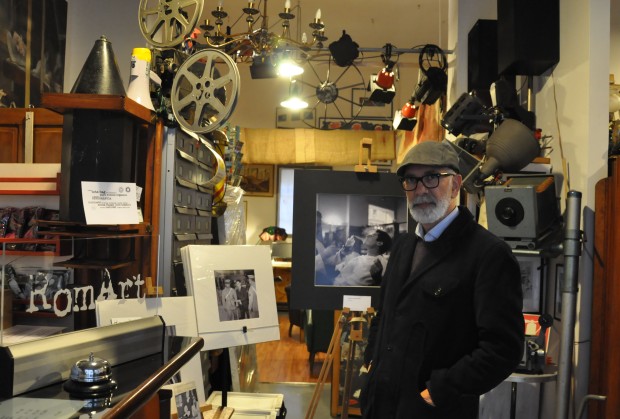
Marco Garzia fotografo e cineasta, si occupa di fotografia dal 1976, quando durante il periodo di leva in marina trasformò quella che era una passione in professione.

Dall’anno 2008 trasforma quello che era l’archivio della sua attività di fotografo e d’agenzia in una raccolta chiamata ARCHIVIO COLLEZIONE GARZIA

Da 35 anni l’archivio fotografico si arricchisce, acquisendo fotografie e fondi fotografici di professionisti ed agenzie che hanno cessato l’attività, salvando spesso dalla perdita assoluta immagini uniche. Diventato ormai una raccolta con più di 5 milioni di negativi e stampe originali, che coprono un periodo temporale che va dal 1947 ai nostri giorni, rivelandosi una preziosa testimonianza della nostra società, nel 2012 l’Archivio è stato riconosciuto di interesse storico particolare dal Ministero dei Beni Culturali Italiano.


classic rock

marco garzia nella sede di romart dove è conservato l'archivio storico

L’ Archivio Collezione Garzia si compone di più di cinque milioni di immagini (negativi, diapositive, stampe originali) realizzate o acquisite tramite fotografi, agenzie, antiquari e donazioni, nel corso della sua vita professionale come fotografo, da Marco Garzia.

Nel 2012 l’archivio/collezione è stato dichiarato di interesse storico particolare dal MiBac.

L’archivio non usufruisce di nessun finanziamento pubblico.

Da oggi potete donare tramite bonifico bancario specificando nella causale: sostengo con donazione l’ associazione culturale Romart per la cura, l’archiviazione e conservazione dell’ ArchivioCollezioneGarzia, via Eugenio Barsanti, 28 00146 Roma

Fai una donazione a: Associazione Culturale ROMART:
IBAN: IT 96 H 07601 03200 0010 2360 1287

#AnnaMagnani

Anna Magnani (Roma, 7 marzo 1908 – Roma, 26 settembre 1973) è stata un’attrice italiana. È considerata una delle maggiori interpreti femminili della storia. Attrice simbolo del cinema italiano, è altresì particolarmente conosciuta per essere stata, insieme ad Aldo Fabrizi e Alberto Sordi, una delle figure preminenti della romanità cinematografica del XX secolo.

Celebri le sue interpretazioni, soprattutto in film come Roma città aperta, Bellissima, Mamma Roma e La rosa tatuata. Quest’ultimo le valse un Oscar alla miglior attrice protagonista.

Anna Magnani (Italian pronunciation: [ˈanna maɲˈɲaːni]; 7 March 1908 – 26 September 1973) was an Italian stage and film actress. She won the Academy Award for Best Actress, along with four other international awards, for her portrayal of a Sicilian widow in The Rose Tattoo.

Born in Rome, she worked her way through Rome’s Academy of Dramatic Art by singing at night clubs. During her career, her only child was stricken by polio when he was 18 months old and remained crippled.

She was referred to as “La Lupa,” the “perennial toast of Rome” and a “living she-wolf symbol” of the cinema. Time magazine described her personality as “fiery”, and drama critic Harold Clurman said her acting was “volcanic”. In the realm of Italian cinema she was “passionate, fearless, and exciting,” an actress that film historian Barry Monush calls “the volcanic earth mother of all Italian cinema.”Director Roberto Rossellini called her “the greatest acting genius since Eleonora Duse”. Playwright Tennessee Williams became an admirer of her acting and wrote The Rose Tattoo specifically for her to star in, a role for which she received an Oscar in 1955.

After meeting director Goffredo Alessandrini she received her first screen role in La cieca di Sorrento (The Blind Woman of Sorrento) (1934) and later achieved international fame in Rossellini’s Rome, Open City (1945), considered the first significant movie to launch the Italian neorealism movement in cinema. As an actress she became recognized for her dynamic and forceful portrayals of “earthy lower-class women” in such films as L’Amore (1948), Bellissima (1951), The Rose Tattoo (1955), The Fugitive Kind (1959) and Mamma Roma (1962). As early as 1950 Life magazine had already stated that Magnani was “one of the most impressive actresses since Garbo”.

anna magnani b. 01595 W