cantante

#LouisArmstrong

Louis Daniel Armstrong noto anche con il soprannome di Satchmo o Pops (New Orleans, 4 agosto 1901 – New York, 6 luglio 1971) è stato un trombettista e cantante statunitense.

Armstrong è stato uno tra i più famosi musicisti jazz del XX secolo. Carismatico e innovativo, al suo talento e alla sua personalità si aggiunge la sua straordinaria popolarità nel jazz, che esce dai confini della sua regione d’origine per diventare un genere musicale amato in tutto il mondo.

Armstrong raggiunse la fama inizialmente come trombettista, ma fu anche uno dei più importanti cantanti jazz, soprattutto verso la fine della carriera.

Louis Armstrong(August 4, 1901 – July 6, 1971), nicknamed Satchmo or Pops, was an American jazz trumpeter, singer, and an influential figure in jazz music.

Coming to prominence in the 1920s as an “inventive” trumpet and cornet player, Armstrong was a foundational influence in jazz, shifting the focus of the music from collective improvisation to solo performance. With his instantly recognizable gravelly voice, Armstrong was also an influential singer, demonstrating great dexterity as an improviser, bending the lyrics and melody of a song for expressive purposes. He was also skilled at scat singing (vocalizing using sounds and syllables instead of actual lyrics).

Renowned for his charismatic stage presence and voice almost as much as for his trumpet-playing, Armstrong’s influence extends well beyond jazz music, and by the end of his career in the 1960s, he was widely regarded as a profound influence on popular music in general. Armstrong was one of the first truly popular African-American entertainers to “cross over”, whose skin color was secondary to his music in an America that was severely racially divided. He rarely publicly politicized his race, often to the dismay of fellow African-Americans, but took a well-publicized stand for desegregation during the Little Rock Crisis. His artistry and personality allowed him socially acceptable access to the upper echelons of American society that were highly restricted for a black man.

nella foto LouisArmstron a Gstaad (Svizzera)

louis armstrong005 W gstaad 8:1:1961

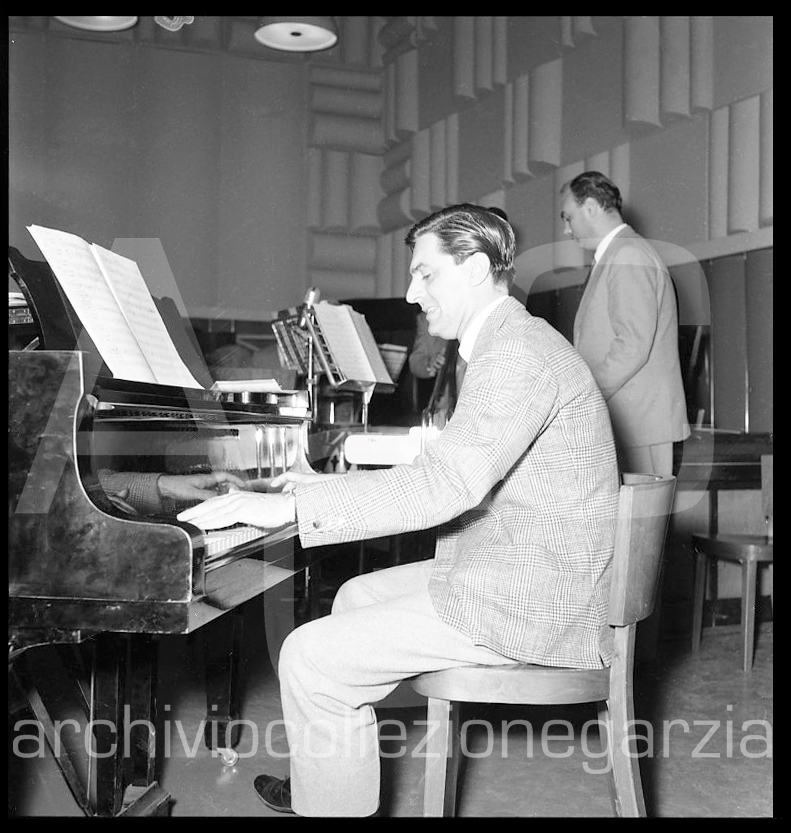
#LelioLuttazzi

Lelio Luttazzi (Trieste, 27 aprile 1923 – Trieste, 8 luglio 2010) è stato un attore, cantante, direttore d’orchestra, musicista, regista, scrittore, showman e conduttore televisivo italiano.


Lelio Luttazzi (27 April 1923–8 July 2010) was an Italian composer, musician, actor, singer, conductor, writer, and television and radio presenter.

Born in Trieste, Luttazzi began playing the piano at Radio Trieste and composing his first songs when he was student in law at the University of Trieste during the Second World War.After the war, he had from SIAE a gain of 350,000 lire, a considerable sum for the time, so he decided to become a full-time composer and in 1948 he moved to Milan where he began working with fellow Teddy Reno at the record company CGD. He was among the first composers to place jazz structures in the Italian songs.

A multifaceted artist, he worked in revues and cinema as actor and composer of soundtracks;[1] he was also a successful television and radio presenter, and probably the peak of his popularity was the radio program Hit parade, one of the longest radio programs broadcast in Italy.[1][2][3] In the early 1970s Luttazzi was involved together with Walter Chiari in a story of drug dealing; Luttazzi went to prison for a month before being acquitted with the formula “because the fact does not exist” but from then he basically semi-retired, leading a life reserved and returning rarely into the spotlight.

(wikipedia)

lelio luttazzi


http://www.fondazionelelioluttazzi.it

#ClaudiaMori

Claudia Mori, pseudonimo di Claudia Moroni (Roma, 12 febbraio 1944), è un’attrice, cantante, produttrice discografica e produttrice televisiva italiana, moglie di Adriano Celentano e madre di Rosita, Giacomo e Rosalinda Celentano.

Claudia Mori (born Claudia Moroni, Rome, 12 February 1944), is an Italian actress, singer, television producer, and wife of the singer Adriano Celentano.


in una simpatica foto del 1959 agli inizi della  carriera

claudiamori012

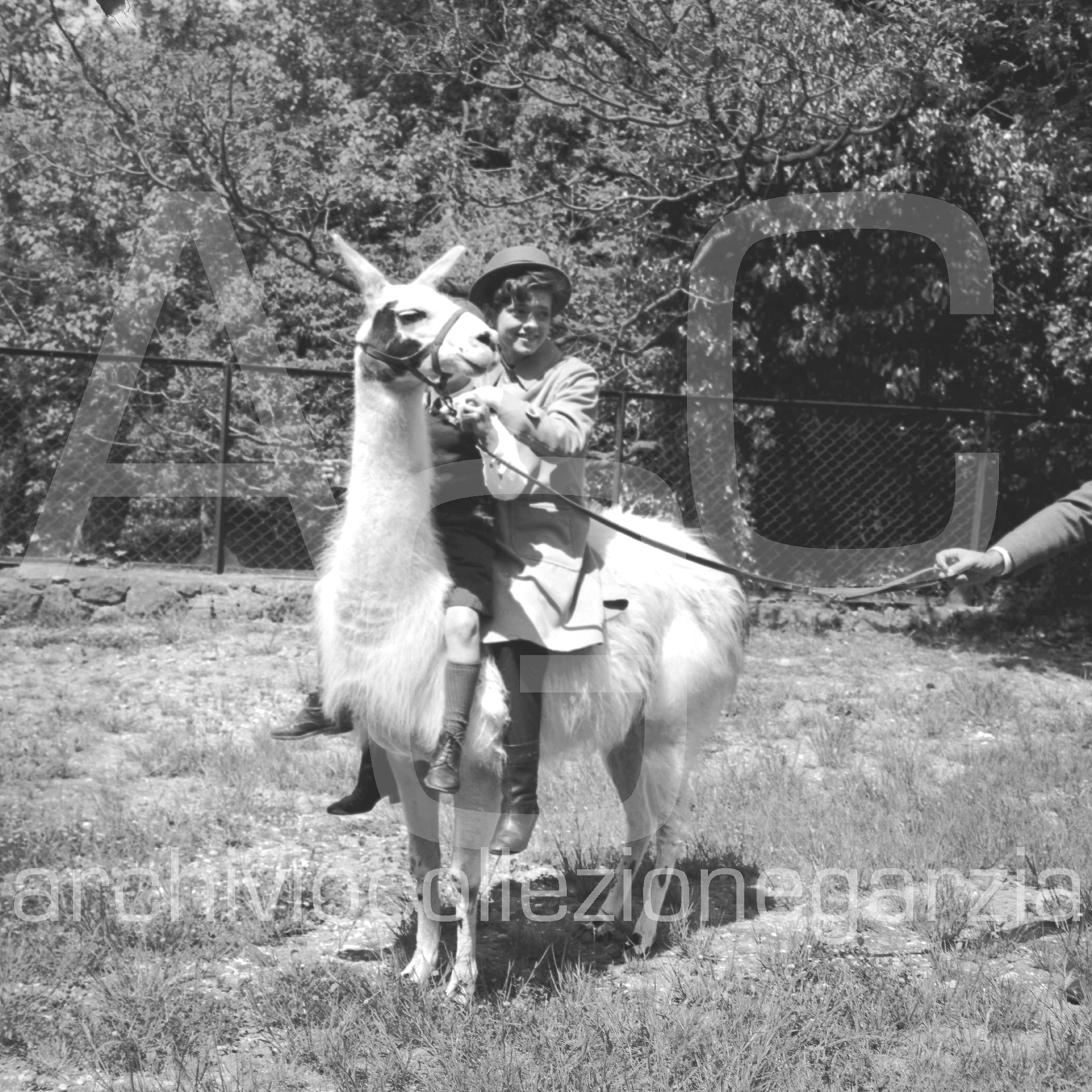
#RitaPavone

Rita Pavone (Torino, 23 agosto 1945) è una cantante, attrice e showgirl italiana naturalizzata svizzera. Fu soprannominata Pel di carota per via del colore rosso della sua capigliatura.

Rita Pavone (born August 23, 1945, Turin, Italy) is an Italian ballad and rock singer who enjoyed success through the 1960s. Pavone is also an actress.

http://www.ritapavone.it/

rita pavone sul lama1963007


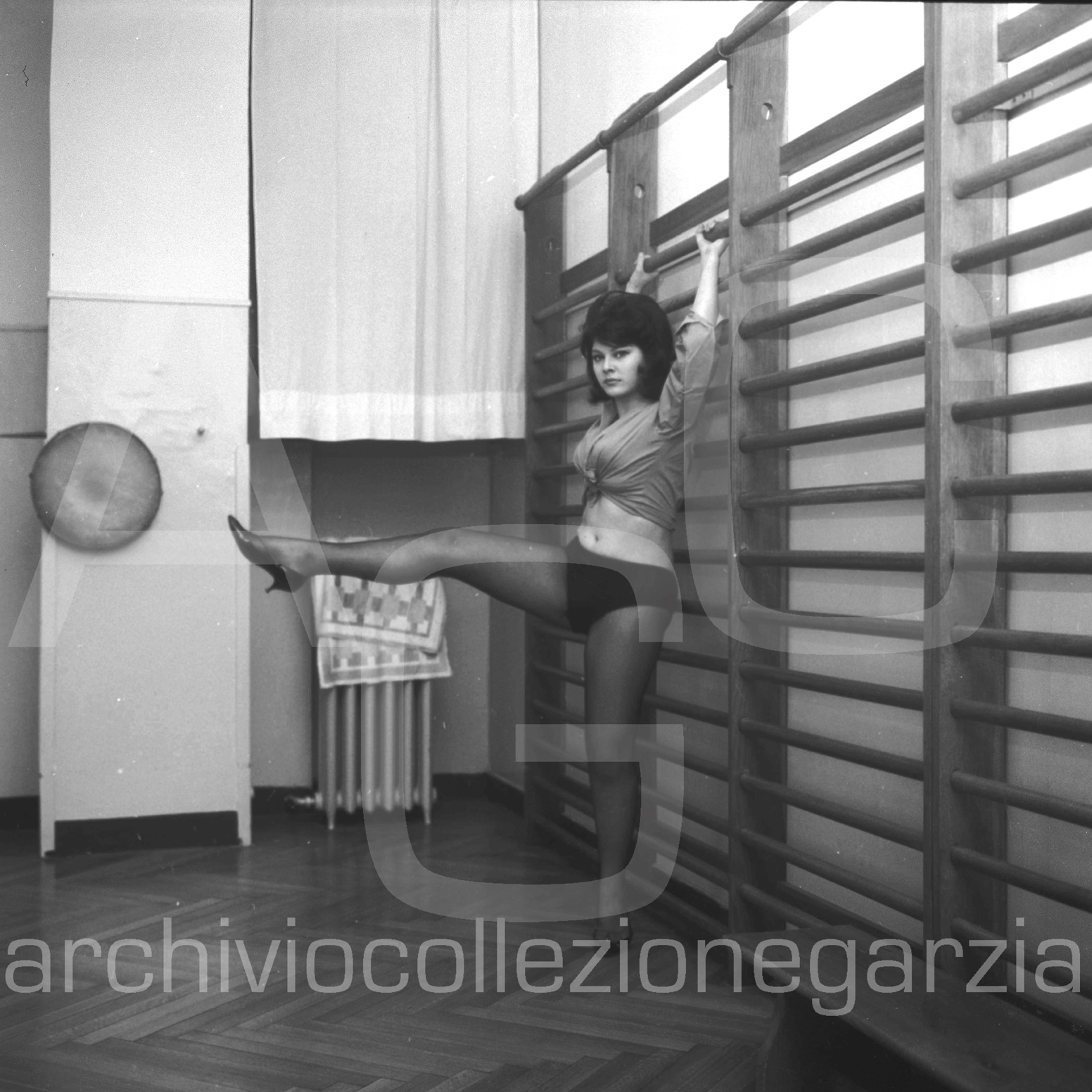
#Mina #MinaMazzini

 “Se non avessi la mia voce vorrei avere quella di una giovane ragazza italiana di nome Mina” Sarah Vaughan. 1968.

Mina è la più grande voce italiana di sempre. Ma non solo. Per gli italiani Mina è un’icona al pari di altri grandi “marchi”che parlano di qualità eccelsa nel mondo, quali Ferrari o Fellini. Nell’immaginario collettivo per gli italiani Mina è un patrimonio del quale andare orgogliosi.

Mina ha incarnato il modello del talento e della diva dello spettacolo sulle scene, in televisone e nei suoi dischi. Ha fatto la storia della televisione italiana negli anni ’60 e ’70 per poi decidere di non apparirvi più. Ha interpretato le canzoni di successo che hanno accompagnato la vita quotidiana degli italiani per 40 anni. Mina pubblica un lavoro discografico inedito ogni anno.

Oggi è forse l’unico caso al mondo di un artista che non si concede ai media (infatti non rilascia interviste e non fa né recitals né apparizioni pubbliche da più di 20 anni) rimanendo ugualmente al primo posto in classifica ogni volta che pubblica un nuovo disco.

Oltre a intensificare la sua attività discografica, negli ultimi anni Mina ha scritto su importanti testate, incarico in cui si è rivelata padrona di un pensiero importante: protagonista di seguitissimi editoriali dove il suo talento come artista e la sua acutezza e credibilità l’hanno portata ad essere autorevole come editorialista tanto quanto come cantante.
Con l’ironia che il suo “talento totale” le ha costantemente assicurato, Mina, già da molti anni prima che si parlasse di “look”, ha sempre giocato con la sua immagine, stravolgendola nelle copertine dei suoi dischi, che sono anche state oggetto di mostre nei musei italiani. Mina ha sempre precorso i tempi e amato confrontarsi con le nuove tecnologie. Nel 2001 ha aperto le porte del suo studio di registrazione attraverso internet, dando in streaming un filmato dove registrava live.
Le richieste di poter vedere Mina in questo documento filmato al server dell’operatore Wind telecomunicazioni s.p.a. sono state addirittura 50 milioni, facendo collassare l’intero sistema…

Mina è un’artista eclettica e versatile che ha interpretato musica di tutti i generi spaziando tra i diversi stili con assoluta proprietà di linguaggio.


Mina

“If I didn’t have my own voice, I’d like to have the voice of a young Italian girl named Mina” Sarah Vaughan. 1968.

Mina is the greatest Italian singer of all times, but not only. For Italians, Mina is an icon equally as important as the biggest and best known names about which they boast as proof that Italy has the highest quality everything in the world, like Ferrari or Fellini. In the Italian collective imagination, Mina is a national treasure to be proud of and jealously guarded.

During the ‘60s and the ‘70s Mina embodied the very essence of the ultra-talented superstar on stage, in TV and in her records. She made television history and then suddenly, inexplicably decided to retire. She sang Italy’s greatest hits, which for over 40 years have been the leitmotiv of the everyday life of the Italian people. Nowadays Mina releases one record a year. She is perhaps the only artist in the world that does not offer herself up to the media – as a matter of fact, she does not grant interviews, has not appeared in concert or made any other public appearance for more than 20 years. Yet, all her new albums reach number one in the national hit parade.

In addition to her recordings, in recent years Mina has published as freelance journalist in important newspapers and magazines, revealing a penchant for deep, thought-provoking insight. Her successful columns have earned her a new, wide-flung reputation as a talented editorialist, demonstrating intelligence and adding wide journalistic credibility to her fame as singer.

Thanks to her capacity for “self-irony” that her unrivalled talent has always assured her, Mina has always laughed about, played and gambled with her imagine, varying it in a thousand ways in the media and even on her record sleeves, many of which have been placed on exhibit in Italian museums of art. Always ahead of her times, Mina remains on the cutting edge even in new technologies. In 2001 she opened the doors of her recording studios to the WWW by streaming an extended version of the videotaped session of her new album. The night the video went on-line, the server was overwhelmed with over 50,000 connection requests and the entire system crashed.

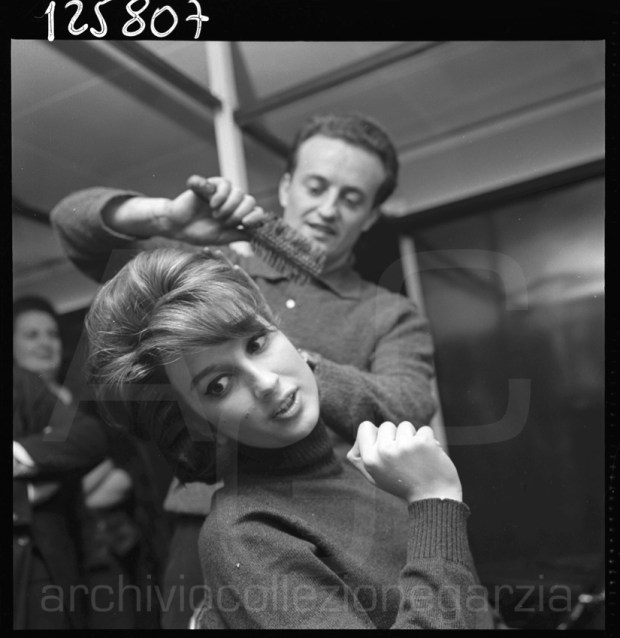
Mina is an eclectic, versatile artist completely at ease with a repertoire spanning all musical genres, all of which she has sung with masterful panache.mina parrucchiere W
#MarleneDietrich #VittorioDeSica

Marie Magdalene “Marlene” Dietrich (Berlino, 27 dicembre 1901 – Parigi, 6 maggio 1992) è stata un’attrice e cantante tedesca naturalizzata statunitense. Fra le più note icone del mondo cinematografico della prima metà del Novecento, la Dietrich fu un vero e proprio mito, lasciando un’impronta duratura attraverso la sua recitazione, le sue immagini e l’interpretazione delle canzoni (arricchite da una voce ammaliante e sensuale). La Dietrich fu una delle prime dive grazie a un mix di qualità, raramente ripetuto dopo di lei, che fu sufficiente a farla entrare nella leggenda dello show business quale modello di femme fatale per antonomasia.

Il suo mito nacque e si sviluppò in contrapposizione a quello della divina Greta Garbo, entrambe star di punta di due compagnie di produzione rivali.

Marie Magdalene “Marlene” Dietrich (27 December 1901 – 6 May 1992) was a German actress and singer.

Dietrich remained popular throughout her long career by continually re-inventing herself, professionally and characteristically. In the Berlin of the 1920s, she acted on the stage and in silent films. Her performance as Lola-Lola in The Blue Angel (1930), directed by Josef von Sternberg, brought her international fame and garnered her a contract with Paramount Pictures in the US. Hollywood films such as Shanghai Express (1932) and Desire (1936) capitalised on her glamour and exotic looks, cementing her stardom and making her one of the highest-paid actresses of the era. Dietrich became a U.S. citizen in 1939,[3] and throughout World War II she was a high-profile frontline entertainer. Although she still made occasional films in the post-war years, Dietrich spent most of the 1950s to the 1970s touring the world as a successful show performer.

In 1999, the American Film Institute named Dietrich the ninth-greatest female star of all time.


Vittorio Domenico Stanislao Gaetano Sorano De Sica (Sora, 7 luglio 1901 – Neuilly-sur-Seine, 13 novembre 1974) è stato un attore, regista e sceneggiatore italiano.

Una delle figure preminenti del cinema italiano e mondiale, è stato inoltre attore di teatro e documentarista. È considerato uno dei padri del Neorealismo e, allo stesso tempo, uno dei più grandi registi ed interpreti della Commedia all’italiana.

Vittorio De Sica (7 July 1901 – 13 November 1974) was an Italian director and actor, a leading figure in the neorealist movement.

Four of the films he directed won Academy Awards: Sciuscià and Bicycle Thieves were awarded honorary Oscars, while Ieri, oggi, domani and Il giardino dei Finzi Contini won the Best Foreign Language Film Oscar. Indeed, the great critical success of Sciuscià (the first foreign film to be so recognized by the Academy of Motion Picture Arts and Sciences) and Bicycle Thieves helped establish the permanent Best Foreign Film Oscar. These two films generally are considered part of the canon of classic cinema.[1] Bicycle Thieves was cited by Turner Classic Movies as one of the 15 most influential films in cinema history.[2]

De Sica was also nominated for the 1957 Oscar for Best Supporting Actor for playing Major Rinaldi in American director Charles Vidor’s 1957 adaptation of Ernest Hemingway’s A Farewell to Arms, a movie that was panned by critics and proved a box office flop. De Sica’s acting was considered the highlight of the film.

Fonte wikipedia)

de sica e marlene dietrich W

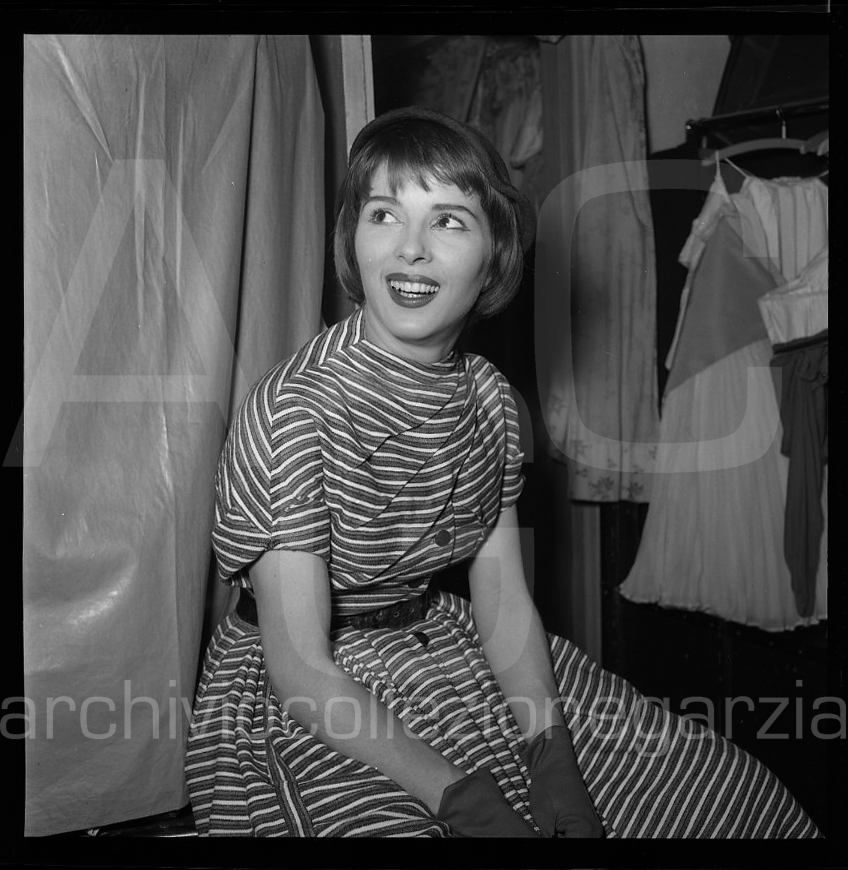
#DeliaScala

Delia Scala, pseudonimo di Odette Bedogni (Bracciano, 25 settembre 1929 – Livorno, 15 gennaio 2004), è stata un’attrice, showgirl e ballerina italiana, il cui nome è legato alla stagione pionieristica della televisione da intrattenimento. Proveniente dalla danza classica, diede una nuova statura artistica alla figura della soubrette. A differenza infatti delle primedonne che l’avevano preceduta, talvolta semplici indossatrici di un vistoso guardaroba, era un’artista poliedrica in grado di ballare, cantare e recitare a ottimi livelli.[1]


Delia Scala (25 September 1929 – 15 January 2004) was an Italian ballerina and actress.Born Odette Bedogni in Bracciano, Lazio, Italy, as a young girl the family moved to Milan where she studied ballet at “La Scala” Ballet School for seven years. She performed in numerous ballets until World War II, after which she began appearing in motion pictures using the stage name, Delia Scala. In 1956, she began a career in television, an industry that at the time in Italy was still in its infancy. She starred in several variety shows during the 1950s and 1960s, and became one of her country’s most beloved TV showgirls.

(fonte wikipedia)
delia scala002 copia

#RenataTebaldi

Renata Tebaldi (Pesaro, 1º febbraio 1922 – Città di San Marino, 19 dicembre 2004) è stata un soprano italiano.

 Ricordata come una delle cantanti liriche più amate di tutti i tempi, venne acclamata in particolare come interprete di Verdi e Puccini. La sua carriera durò oltre trent’anni.
fonte wikipedia
renata tebaldi 013

#AnnaMagnani

La sciantosa

La sciantosa è il primo film del ciclo, mandato in onda sul Programma Nazionale il 26 settembre 1971.

Durante la grande guerra Flora Bertuccioli, (Anna Magnani) diva non più giovane del café-chantant sul viale del tramonto ed a rischio sfratto dalla sua casa di Torino, riceve l’offerta di cantare per i soldati impegnati al fronte.

Al suo arrivo è accolta dal giovane soldato Tonino Apicella, che insieme ad altri tre soldati compone la sgangherata orchestra incaricata di accompagnare le canzoni di Flora.

Quando sale sul palcoscenico e si accorge che il suo pubblico è composto da giovani soldati feriti e mutilati è assalita dallo sdegno e dalla commozione: rifiuta di cantare la marcia militare, si strappa di dosso il Tricolore e intona ‘O surdato ‘nnammurato. Lo spettacolo, però, viene interrotto da un bombardamento e tutti cercano di mettersi in salvo.

Il mattino dopo Flora e Tonino, saliti sull’auto del comandante, credono di essere ormai in salvo, ma in quel momento passa un aereo nemico sopra di loro. Flora fa scudo col suo corpo al giovane Tonino, e muore mitragliata.

anna magnani006

#TonyRenis

Tony Renis, pseudonimo di Elio Cesari (Milano, 13 maggio 1938), è un cantautore, attore e produttore discografico italiano.

Nel 1961 debutta al Festival di Sanremo con Pozzanghere (con un testo scritto da suo padre), ma non viene ammesso in finale.

L’anno successivo si ripresenta con Quando quando quando, canzone nata dalla collaborazione con Alberto Testa: la canzone non vince, ma arriva prima in classifica per dieci settimane in Italia e nona in Germania e fa il giro del mondo e viene reincisa in centinaia di versioni da interpreti di varie nazionalità.

L’enorme successo commerciale ed artistico di Quando quando quando risarcisce ampiamente Tony Renis dalla sconfitta di Sanremo, sconfitta da cui avrà comunque modo di rifarsi vincendo nel 1963 la gara televisiva di Canzonissima con Quando quando quando e il Festival con il brano Uno per tutte.

fonte wikipedia

toni renis014