storia

#Totò #AntonioDeCurtis #FrancaFaldini

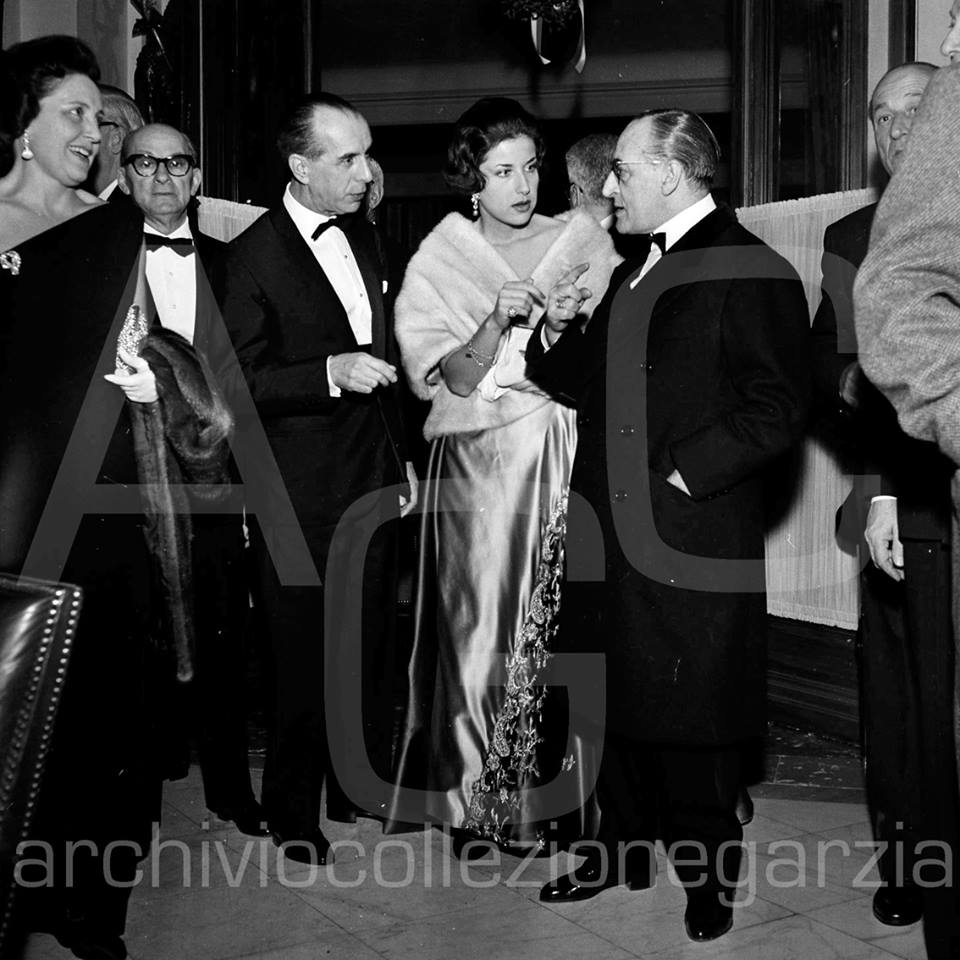
Antonio De Curtis in arte Totò ( Antonio Griffo Focas Flavio Angelo Ducas Comneno Porfirogenito Gagliardi ) nobile nei natali, era di casa a Montecarlo. In questa foto lo vediamo nel principato, su invito di Ranieri di Monaco e della principessa Grace Kelly, che molto lo apprezza per la sua capacità comica/surreale, partecipare al GranGala del capodanno 1960, accompagnato dalla compagna Franca Faldini.

Prince Antonio Griffo Focas Flavio Angelo Ducas Comneno Porfirogenito Gagliardi De Curtis di Bisanzio, best known by his stage name Totò (Italian pronunciation: [toˈtɔ*]; 15 February 1898 – 15 April 1967) or as Antonio De Curtis, and nicknamed il Principe della risata (“the Prince of laughter”), was an Italian comedian, film and theatre actor, writer, singer and songwriter. He is widely considered one of the greatest Italian artists of the 20th century. While he first gained his popularity as a comic actor, his dramatic roles, his poetry, and his songs are all deemed to be outstanding; his style and a number of his recurring jokes and gestures have become universally known memes in Italy. Writer and philosopher Umberto Eco has thus commented on the importance of Totò in Italian culture:

Totò e Franca Faldini  guests of Ranieri di Monaco and p.ss Grace 12039366_777091142401391_8625006502329396381_n

#HenryMiller

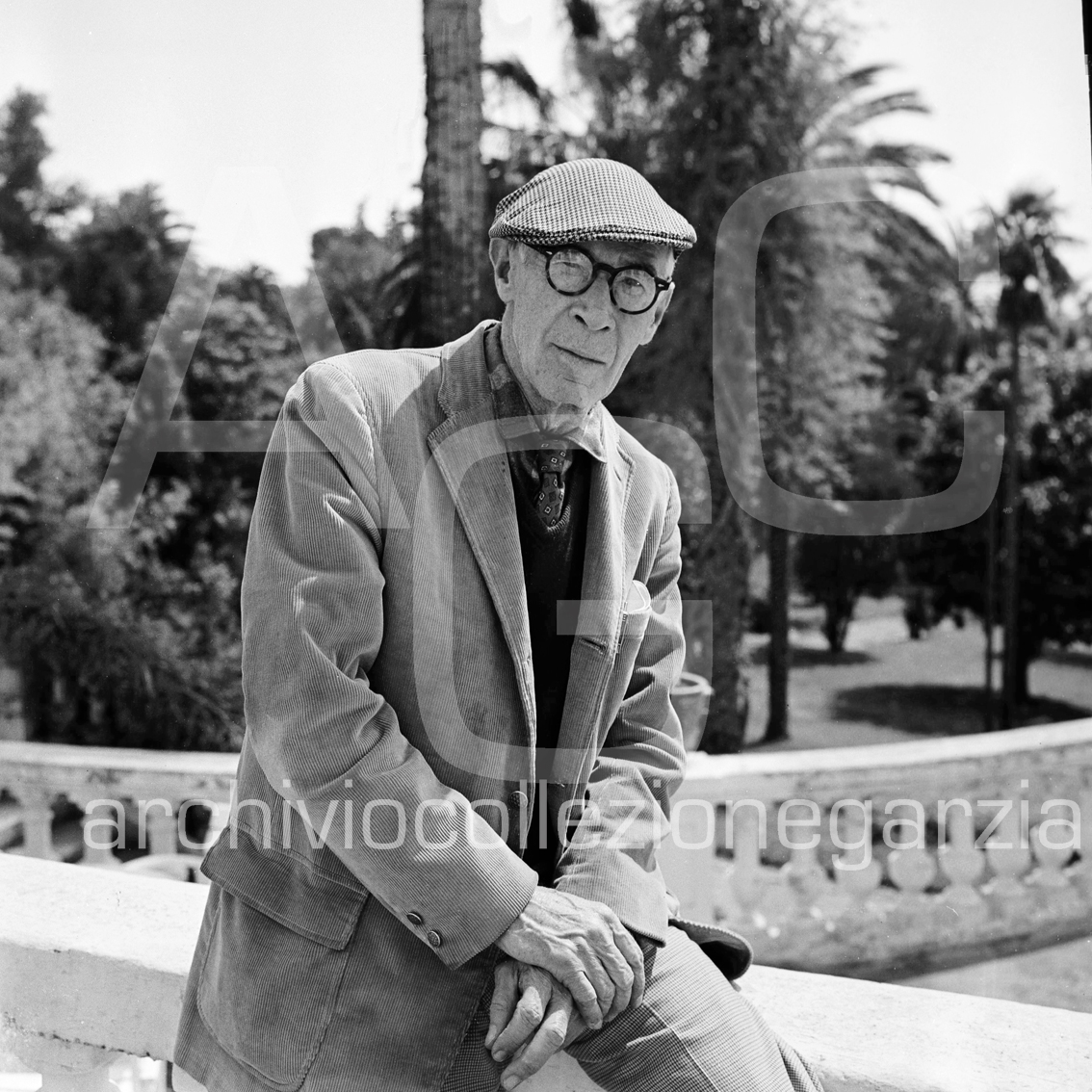
Henry Valentine Miller (New York, 26 dicembre 1891 – Pacific Palisades, 7 giugno 1980) è stato uno scrittore, pittore, saggista e reporter di viaggio statunitense.

È ricordato soprattutto per la rottura con le forme letterarie del suo tempo e lo sviluppo di una sua personale tipologia di romanzo, che è un intreccio tra l’autobiografia, le strutture narrative del romanzo tradizionale, la riflessione filosofica, il saggio di critica sociale e le tecniche di scrittura automatica surrealiste. Le principali opere che seguono questa corrente sono:  (Tropico del Cancro), Black Spring (Primavera nera) e Tropic of Capricorn (Tropico del Capricorno).

Miller scrisse anche memorie di viaggio e saggi di critica letteraria e di analisi e pubblicò i suoi acquerelli.


Henry Valentine Miller (December 26, 1891 – June 7, 1980) was an American writer. He was known for breaking with existing literary forms, developing a new sort of semi-autobiographical novel that blended character study, social criticism, philosophical reflection, explicit language, sex, surrealist free association and mysticism. His most characteristic works of this kind are Tropic of Cancer (1934), Black Spring (1936), Tropic of Capricorn (1939) and The Rosy Crucifixion trilogy (1949–59), all of which are based on his experiences in New York and Paris, and all of which were banned in the United States until 1961. He also wrote travel memoirs and literary criticism, and painted watercolors.


Henry Valentine Miller (n. Nueva York, 26 de diciembre de 1891 – m. Los Ángeles, California, 7 de junio de 1980) fue un novelista estadounidense. Su obra se compone de novelas semiautobiográficas, en las que el tono crudo, sensual y sin tapujos suscitó una serie de controversias en el seno de un Estados Unidos puritano que Miller quiso estigmatizar denunciando la hipocresía moral de la sociedad norteamericana, criticando de paso el devenir de la existencia humana, desnudando su cinismo y múltiples contradicciones. Censurado por su estilo y contenido provocativo y rebelde en relación a la creación literaria de su época, sus obras influyeron notablemente en la llamada Generación Beat.


Henry Valentine Miller est un romancier et essayiste américain né le 26 décembre 1891 à New York et mort le 7 juin 1980 à Pacific Palisades (Californie).

Son œuvre est marquée par des romans largement autobiographiques, dont le ton conjugue à la fois désespoir et extase. Miller s’est lui-même qualifié de « Roc heureux » 1. Son œuvre a suscité une série de controverses dans une Amérique mécanique et pécuniaire contre laquelle Miller a lutté car, pour lui, le but premier de la vie est de vivre. Il fut largement édité et célébré en Europe, cependant il faudra attendre les années 1960 pour qu’il connaisse du succès dans son pays (surtout dans l’élite américaine francophile et éduquée).

Henry Miller a été durant sa jeunesse un grand admirateur de l’écrivain Knut Hamsun ainsi que de Blaise Cendrars, qui fut également son ami et un des premiers écrivains de renom à reconnaître son talent littéraire. Sur son lit de mort, Henry Miller dira que, s’il a tellement écrit sur sa vie, ce fut uniquement pour l’amour sincère des gens et non pour la gloire, la renommée, la célébrité


henry miller busta 4793 copia copia

#BrigitteBardot

81 anni per BB

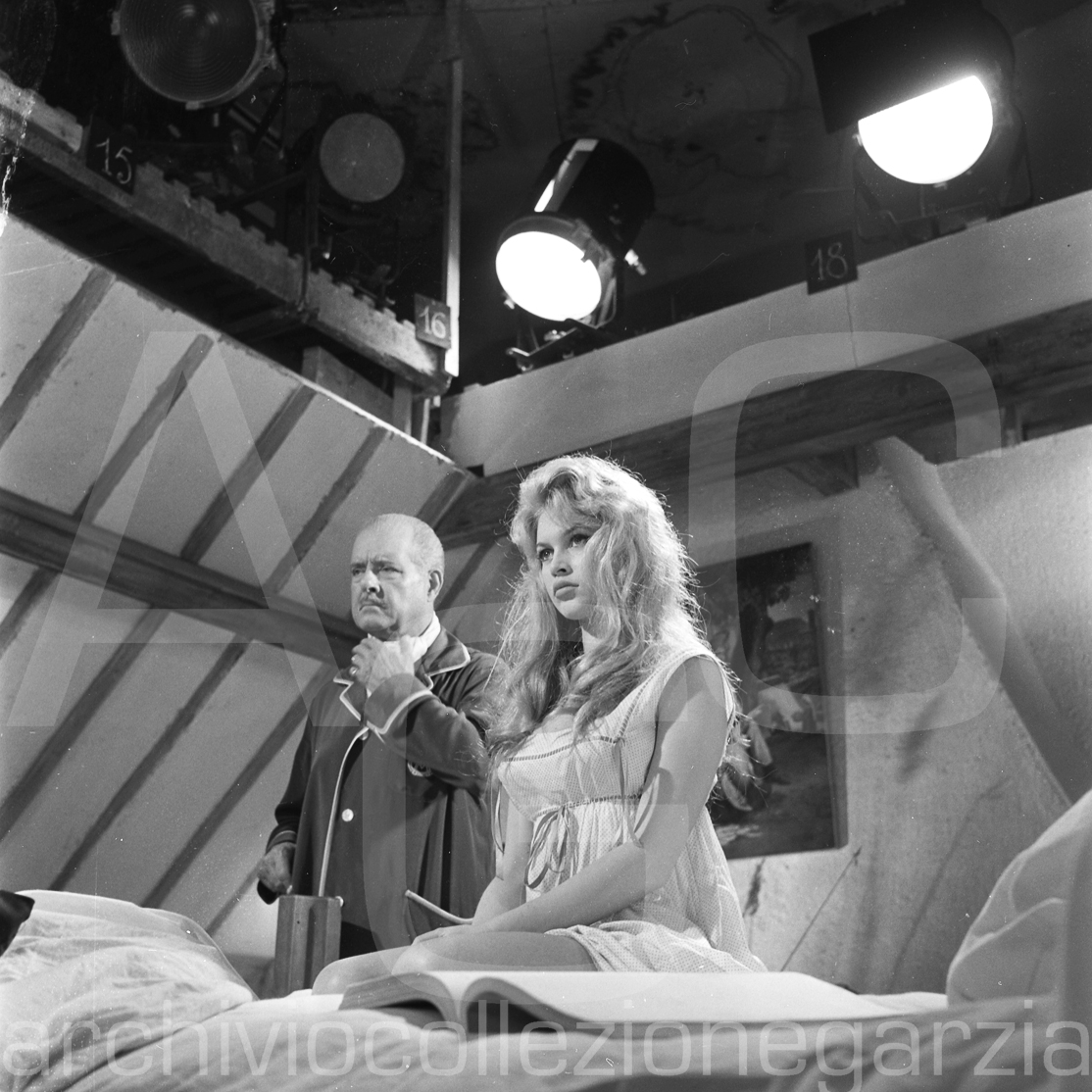
Brigitte Anne Marie Bardot, anche conosciuta come B.B. (“Bri-Bri” da bambina) (Parigi, 28 settembre 1934), è un’attrice, ex modella, cantante, ballerina e attivista francese. Dopo gli esordi come danzatrice classica, diviene prima modella, posando per svariate copertine di riviste di moda, quindi attrice e infine, dal 1962, cantante. Dal 1962, inoltre, è un’attivista per i diritti degli animali, attività che l’ha assorbita completamente a partire dal suo abbandono del cinema avvenuto nel 1972. È considerata un’icona sexy.

Brigitte Anne-Marie Bardot (French: [bʁiʒit baʁˈdo]; born 28 September 1934) is a French former actress, singer and fashion model, who later became an animal rights activist. She was one of the best known sex symbols of the 1950s and 1960s and was widely referred to by her initials.Starting in 1969, Bardot became the official face of Marianne (who had previously been anonymous) to represent the liberty of France.

Brigitte Bardot, née Brigitte Anne-Marie Bardot le 28 septembre 1934 à Paris, est une actrice de cinéma, ancien mannequin et chanteuse française, militante de la cause animale, fondatrice et présidente de la fondation qui porte son nom.

Figure féminine des années 1950 et 1960, elle est une star mondiale, l’égérie et la muse des plus grands artistes de l’époque. Emblème de l’émancipation des femmes et de la liberté sexuelle, elle passe des rôles de femme enfant à ceux de femme fatale. Elle tourne avec les plus grands réalisateurs, incarnant des personnages à l’élégante légèreté et à la sensualité photogénique. Elle devient rapidement un sex-symbol et acquiert une renommée internationale. Avec à son actif 48 films et plus de 80 chansons en près de vingt-et-un ans de carrière, Brigitte Bardot, tout aussi connue sous les initiales de « BB », est une des artistes françaises les plus célèbres (dans la France des années 1950-1970, seules Simone de Beauvoir et Françoise Sagan ont atteint une célébrité, auréolée de scandale, un peu comparable à la sienne).

Elle met un terme à sa carrière d’actrice en 1973 et se consacre dès lors à la défense des animaux.

bb set parigi004

#DizzyGillespie

John Birks “Dizzy” Gillespie (Cheraw, 21 ottobre 1917 – New York, 6 gennaio 1993) è stato un trombettista, pianista e compositore statunitense. Jazzista, fu anche cantante, percussionista e bandleader. Con Charlie Parker fu, negli anni quaranta, uno degli inventori e delle figure chiave del bebop e del jazz moderno.

dizzy gillespie b0823011 copia


#AnnaMagnani

Anna Magnani, di padre ignoto, era nata dalla diciottenne Marina, piccola sartina originaria di Fano, che si trasferì presto in Egitto lasciando la bambina alla propria madre. Da qui la leggenda, forse costruita da qualche press agentry, che fosse venuta al mondo in quella lontana terra africana. Voce smentita con forza da lei dopo che divenne regina incontrastata del neoralismo italiano. (cit. Teresa Viziano )


È considerata una delle maggiori interpreti femminili della storia. Attrice simbolo del cinema italiano, è altresì particolarmente conosciuta per essere stata, insieme ad Aldo Fabrizi e Alberto Sordi, una delle figure preminenti della romanità cinematografica del XX secolo

Eccola a Venezia per la mostra del cinema!

anna magnani venezia008 copia

#MilesDavis

Miles Dewey Davis III (Alton, 26 maggio 1926 – Santa Monica, 28 settembre 1991) è stato un compositore e trombettista statunitense jazz, considerato uno dei più influenti, innovativi ed originali musicisti del XX secolo.

È difficile non riconoscere a Davis un ruolo di innovatore e genio musicale. Dotato di uno stile inconfondibile ed una incomparabile gamma espressiva, per quasi trent’anni Miles Davis è stato una figura chiave del jazz e della musica popolare del XX secolo in generale. Dopo aver preso parte alla rivoluzione bebop, egli fu ideatore di numerosi stili jazz, fra cui il cool jazz, l’hard bop, il modal jazz e il jazz elettrico o jazz-rock. Le sue registrazioni, assieme agli spettacoli dal vivo dei numerosi gruppi guidati da lui stesso, furono fondamentali per lo sviluppo artistico del jazz.

Miles Davis fu e resta famoso sia come strumentista dalle sonorità inconfondibilmente languide e melodiche, sia per il suo atteggiamento innovatore (peraltro mai esente da critiche), sia per la sua figura di personaggio pubblico. Fu il suo un caso abbastanza raro in campo jazzistico: fu infatti uno dei pochi jazzmen in grado di realizzare anche commercialmente il proprio potenziale artistico e forse l’ultimo ad avere anche un profilo di star dell’industria musicale.


Miles Dewey Davis III (May 26, 1926 – September 28, 1991) was an American jazz musician, trumpeter, bandleader, and composer. Widely considered one of the most influential musicians of the 20th century,Miles Davis was, together with his musical groups, at the forefront of several major developments in jazz music, including bebop, cool jazz, hard bop, modal jazz, and jazz fusion.

In 2006, Davis was inducted into the Rock and Roll Hall of Fame, which recognized him as “one of the key figures in the history of jazz”.In 2008, his 1959 album Kind of Blue received its fourth platinum certification from the Recording Industry Association of America (RIAA), for shipments of at least four million copies in the United States. On December 15, 2009, the U.S. House of Representatives passed a symbolic resolution recognizing and commemorating the album Kind of Blue on its 50th anniversary, “honoring the masterpiece and reaffirming jazz as a national treasure”

miles davis-009 2 copia

#GilbertBécaud

Gilbert Bécaud, pseudonimo di François Gilbert Silly (Tolone, 24 ottobre 1927 – Parigi, 18 dicembre 2001), è stato un cantante e compositore francese. Fu soprannominato Monsieur 100.000 volt (Signor 100.000 volt) per la sua grande energia sulla scena e per le sue oltre 400 canzoni. Il suo successo più celebre Et maintenant è del 1961.

François Gilbert Léopold Silly, dit Gilbert Bécaud , né le 24 octobre 1927 à Toulon et mort le 18 décembre 2001 à Boulogne-Billancourt est un chanteur, compositeur, pianiste et acteur français.

Au cours de sa carrière, il se produit trente-trois fois sur la scène de l’Olympia, où il gagne son surnom de « Monsieur 100 000 volts » en raison de son sens du swing, à cause des passions qu’il soulevait dans son sillage et de ses fans qui, souvent, cassaient par enthousiasme les fauteuils. Il laisse l’image d’un homme électrique, toujours en mouvement. Sa cravate à pois, ses quelque quatre cents chansons et sa main sur l’oreille (pour être sûr de chanter juste)2sont d’autres images spécifiques qui ont marqué les esprits.

Gilbert Bécaud (French pronunciation: ​[ʒil.bɛːʁ be.ko], 24 October 1927 – 18 December 2001) was a French singer, composer, pianist and actor, known as “Monsieur 100.000 Volts”for his energetic performances. His best-known hits are “Nathalie” and “Et Maintenant”, a 1961 release that became an English language hit as “What Now My Love”. He remained a popular artist for nearly fifty years, identifiable in his dark blue suits, with a white shirt and “lucky tie”; blue with white polka dots. When asked to explain his gift he said, “A flower doesn’t understand botany.” His favourite venue was the Paris Olympia under the management of Bruno Coquatrix. He debuted there in 1954 and headlined in 1955, attracting 6,000 on his first night, three times the capacity. On November 13, 1997, Bécaud was present for the re-opening of the venue after its reconstruction.

gilbert becaud002 copia

#MariaCallas #GraceKelly

Maria Callas, nome d’arte di Anna Maria Cecilia Sophia Kalogeropoulou (greco: Άννα Μαρία Καικιλία Σοφία Καλογεροπούλου; New York, 2 dicembre 1923 – Parigi, 16 settembre 1977), è stata un soprano greco, in possesso della nazionalità statunitense e naturalizzata italiana fino al 1966, quando rinunciò ad entrambe per ottenere quella greca. Nata a New York da genitori greci, Maria Callas studiò ad Atene dal 1939 al 1945, intraprendendo la carriera internazionale dai tardi anni quaranta agli anni sessanta.

Le sue straordinarie doti di soprano e attrice, il successo, artistico e mediatico, il mito costruito attorno a lei, le sono valsi l’appellativo di Divina.

Maria Callas, Commendatore OMRI (Greek: Μαρία Κάλλας; December 2, 1923 – September 16, 1977), was an American-born Greek soprano and one of the most renowned and influential opera singers of the 20th century. Critics praised her bel canto technique, wide-ranging voice and dramatic interpretations. Her repertoire ranged from classical opera seria to the bel canto operas of Donizetti, Bellini and Rossini and further, to the works of Verdi and Puccini; and, in her early career, to the music dramas of Wagner. Her musical and dramatic talents led to her being hailed as La Divina.

Grace Patricia Kelly in Grimaldi (Filadelfia, 12 novembre 1929 – Monaco, 14 settembre 1982) è stata un’attrice statunitense. Sposa di Ranieri III nel 1956, fu principessa consorte di Monaco, e divenne madre dei principi Alberto II, Carolina e Stefania. Morì in un incidente stradale, nel 1982.Vinse l’Oscar alla miglior attrice per la pellicola La ragazza di campagna nel 1955. L’American Film Institute ha inserito la Kelly al tredicesimo posto tra le più grandi star della storia del cinema.

Grace Patricia Kelly (November 12, 1929 – September 14, 1982) was an American actress who, after marrying Prince Rainier III, became the Princess of Monaco. After embarking on an acting career in 1950, at the age of 20, Kelly appeared in New York City theatrical productions and more than 40 episodes of live drama productions broadcast during the early 1950s Golden Age of Television. In October 1953, she gained stardom from her performance in the film Mogambo. It won her a Golden Globe Award and an Academy Award nomination in 1954. She had leading roles in five films, including The Country Girl, for which her deglamorized performance earned her an Academy Award for Best Actress. Other films include High Noon (1952) with Gary Cooper, Dial M for Murder (1954) with Ray Milland, Rear Window (1954) with James Stewart and To Catch a Thief (1955) with Cary Grant, and High Society (1956) with Frank Sinatra and Bing Crosby.

Kelly retired from acting at the age of 26 to marry Rainier and began her duties in Monaco. They had three children: Caroline, Albert, and Stéphanie. She retained her American roots, maintaining dual U.S. and Monégasque citizenship. She died on September 14, 1982, a day after a stroke caused her to crash her car.

nella foto:  Maria Callas e Grace Kelly a Montecarlo,  17/1/1962

maria callas b. 5816002 copia W

Maria Callas  https://youtu.be/OYfMRZTDLZQ

Grace Kelly    https://youtu.be/RtHwZy2lVwI
#MariaBellonci #premiostrega

Maria Villavecchia Bellonci (Roma, 30 novembre 1902 – Roma, 13 maggio 1986) è stata una scrittrice e traduttrice italiana, ideatrice insieme a Guido Alberti del Premio Strega.

Il suo esordio di scrittrice avvenne nel 1939 con la nota psicobiografia Lucrezia Borgia, edita in lingua italiana da Arnoldo Mondadori Editore ed in lingua inglese da Phoenix.

I suoi libri di argomento storico sono innanzitutto basati su una ricca e minuziosa ricerca storica, attraverso la consultazione dei documenti originali esistenti, a partire dai quali la Bellonci era abilissima nel ricostruire un ritratto vivido e credibile dei personaggi storici descritti. La sua opera acquistò così un preziosissimo valore divulgativo, portando al grande pubblico una versione umana e storicamente documentata, scevra delle numerose leggende accumulatesi nei secoli, di personaggi lontani nel tempo ma molto affascinanti, come i Borgia, gli Este, i Gonzaga, i Della Rovere, oppure Marco Polo, che fu anche oggetto di uno sceneggiato televisivo Rai curato da lei stessa.

Fu all’interno del suo salotto letterario, denominato gli “Amici della domenica”, che nacque il Premio Strega, la cui genesi fu rievocata dalla Bellonci in Come un racconto gli anni del premio Strega (1970). Nel 1979 ha ricevuto il Premio San Gerolamo. Nel 1986, anno della sua scomparsa, lei stessa vinse il Premio Strega con Rinascimento privato (Mondadori), biografia di Isabella d’Este, scritta in forma di romanzo autobiografico e che rappresenta il suo capolavoro.

Maria Villavecchia Bellonci (Rome, 30 November 1902 – 13 May 1986) was an Italian writer known especially for her biography of Lucrezia Borgia. She and Guido Alberti set up the Strega Prize in 1947.


Il Premio Strega è un premio letterario che viene assegnato annualmente all’autore o autrice di un libro pubblicato in Italia tra il 1º aprile dell’anno precedente ed il 31 marzo dell’anno in corso. Dal 1986 è organizzato e gestito dalla Fondazione Bellonci. È universalmente riconosciuto come il premio letterario più prestigioso d’Italia, oltre a godere di una consolidata fama in Europa e nel resto del mondo.

The Strega Prize (Premio Strega) is the most prestigious Italian literary award. It has been awarded annually since 1947 for the best work of prose fiction by an Italian author and first published between 1 May of the previous year and 30 April.

In 1944 Maria and Goffredo Bellonci started to host a literary salon at their home in Rome. These Sunday gatherings of writers, artists and intellectuals grew to include many of the most notable figures of Italian cultural life. The group became known as the Amici della Domenica, or ‘Sunday Friends’. In 1947 the Belloncis, together with Guido Alberti, owner of the firm which produces the Strega liqueur, decided to inaugurate a prize for fiction, the winner being chosen by the Sunday friends.

The activities of the Bellonci circle and the institution of the prize were seen as marking a tentative return to ‘normality’ in Italian cultural life: a feature of the reconstruction which followed the years of Fascism, war, occupation and liberation. The first winner of the Strega, elected by the Sunday Friends, was Ennio Flaiano, for his first and only novel Tempo di uccidere, which is set in Africa during the Second Italo-Abyssinian War. It has been translated into English as The Short Cut.

maria bellonci 8 premio strega

#ConnieFrancis

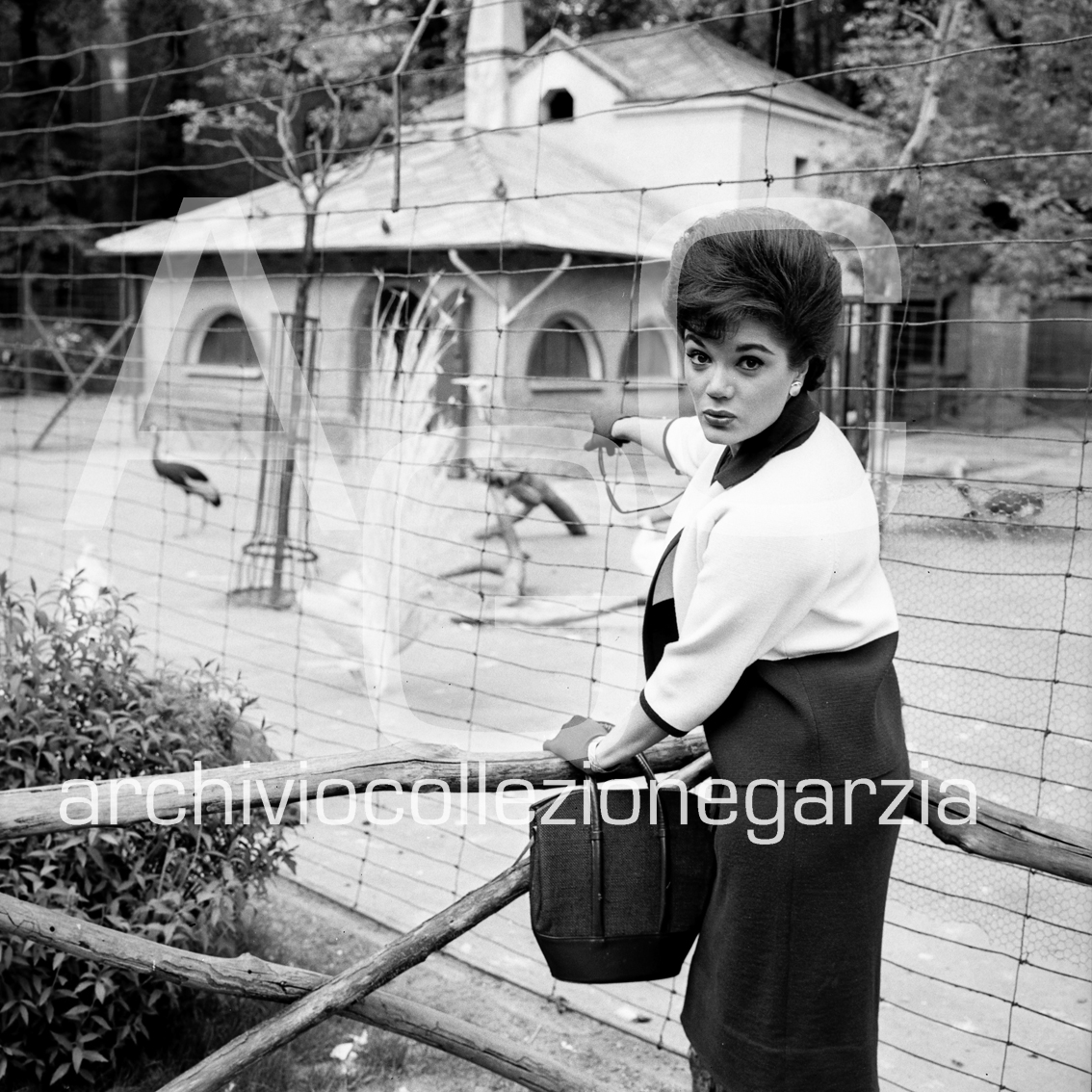
Connie Francis, all’anagrafe Concetta Rosa Maria Franconero (Newark, 12 dicembre 1938), è una cantante statunitense di origini italiane.

È conosciuta soprattutto per i suoi successi Quando quando quando, Who’s Sorry Now?, Where the Boys Are, Everybody’s Somebody’s Fool. Ma il grande lancio avvenne alcuni anni prima, nel 1959, con Stupid Cupid (incisa anche da Neil Sedaka, nello stesso periodo, ma Connie entrò prepotentemente nelle classifiche USA e salì fino al 14º posto, che in dischi venduti significa un paio di milioni), mentre i primi grandi successi in Italia sono rappresentati dalla sua versione di Chitarra Romana, di due anni più tardi, e sempre nel 1961, di Jealous of You, una versione in inglese de Il tango della gelosia. Per dare un’idea del successo di vendita italiano di quest’ultimo, basti pensare che ancora oggi a distanza di oltre 50 anni, è praticamente impossibile non imbattersi in almeno una copia di questo 45 giri ad ogni mercatino dell’antiquariato in piazza.


Connie Francis (born Concetta Rosa Maria Franconero, December 12, 1938) is an American pop singer of Italian heritage and the top-charting female vocalist of the late 1950s and early 1960s. Although her chart success waned in the second half of the 1960s, Francis remained a top concert draw. Despite several severe interruptions in her career, she is still active as a recording and performing artist.

http://en.wikipedia.org/wiki/Connie_Francis


connie francis b 5896 002