international

#Totò #AntoniodeCurtis

Totò, pseudonimo di Antonio Griffo Focas Flavio Angelo Ducas Comneno Porfiro-genito Gagliardi de Curtis di Bisanzio,(brevemente Antonio de Curtis) (Napoli, 15 febbraio 1898 – Roma, 15 aprile 1967), è stato un artista italiano. Attore simbolo dello spettacolo comico in Italia, soprannominato «il principe della risata», è considerato, anche in virtù di alcuni ruoli drammatici, uno dei maggiori interpreti nella storia del teatro e del cinema italiani. Si distinse anche al di fuori della recitazione, lasciando contributi come drammaturgo, poeta, paroliere, cantante.

Nato Antonio Vincenzo Stefano Clementeda Anna Clemente (Palermo, 2 gennaio 1881 – Napoli, 23 ottobre 1947) e dal marchese Giuseppe De Curtis (Napoli, 12 agosto 1873 – Roma, 29 settembre 1944), fu adottato nel 1933 dal marchese Francesco Maria Gagliardi Focas.

Maschera nel solco della tradizione della commedia dell’arte, accostato a comici come Buster Keaton e Charlie Chaplin,ma anche ai fratelli Marx e a Ettore Petrolini. In quasi cinquant’anni di carriera spaziò dal teatro (con oltre 50 titoli) al cinema (con 97 pellicole) e alla televisione (con 9 telefilm e vari sketch pubblicitari), lavorando con molti tra i più noti protagonisti dello spettacolo italiano e arrivando a sovrastare con numerosi suoi film i record d’incassi. Adoperò una propria unicità interpretativa, che risaltava sia in copioni puramente brillanti sia in parti più impegnate, sulle quali si orientò soprattutto verso l’ultima fase della sua vita, che concluse in condizioni di quasi cecità a causa di una grave forma di corioretinite, probabilmente aggravata dalla lunga esposizione ai fari di scena. Spesso stroncato dalla maggior parte dei critici cinematografici, fu ampiamente rivalutato dopo la morte, tanto da risultare ancor oggi il comico italiano più popolare di sempre.

Franca Faldini, sua compagna, diventata giornalista e scrittrice dopo la morte dell’attore, scrisse nel 1977 il libro Totò: l’uomo e la maschera, realizzato insieme a Goffredo Fofi, in cui raccontò sia il profilo artistico sia la vita dell’attore fuori dal set, con l’intento principale di smentire alcune false affermazioni riportate da scrittori e giornalisti riguardo alla sua personalità.

Prince Antonio Griffo Focas Flavio Angelo Ducas Comneno Porfirogenito Gagliardi De Curtis di Bisanzio (15 February 1898 – 15 April 1967), best known by his stage name Totò (Italian pronunciation: [toˈtɔ]) born simply as Antonio De Curtis, and nicknamed il Principe della risata (“the Prince of laughter”), was an Italian comedian, film and theatre actor, writer, singer and songwriter.

While he first gained his popularity as a comic actor, his dramatic roles, poetry, and songs are all deemed to be outstanding;[citation needed] his style and a number of his recurring jokes and gestures have become universally known memes in Italy.[citation needed] Writer and philosopher Umberto Eco has thus commented on the importance of Totò in Italian culture: Mario Monicelli, who directed some of the most appreciated of Totò’s movies, thus described his artistic value:

With Totò, we got it all wrong. He was a genius, not just a grandiose actor. And we constrained him, reduced him, forced him into a common human being, and thus clipped his wings.

— Mario Monicelli, Cinquant’anni di cinema. As a comic actor, Totò was classified as an heir of the Commedia dell’Arte tradition, and was compared to such figures as Buster Keaton and Charlie Chaplin.
toto006-w-copia
nella foto: Perugia, 21 novembre 1956 durante la prima dello spettacolo “A prescindere”.


#RomySchneider

Romy Schneider, pseudonimo di Rosemarie Magdalena Albach-Retty (Vienna, 23 settembre 1938 – Parigi, 29 maggio 1982), è stata un’attrice tedesca naturalizzata francese.

La vera svolta nella carriera di Romy Schneider avvenne con il film L’amante pura (1958). Durante la lavorazione conobbe Alain Delon e con lui ebbe una lunga relazione sentimentale, trasferendosi a Parigi. Da questo momento recitò in film di produzione prevalentemente francese e italiana, come La piscina (1968) di Jacques Deray, La Califfa (1970) di Alberto Bevilacqua, Ludwig (1973) di Luchino Visconti, dove fu una ben diversa Elisabetta di Baviera, e La morte in diretta (1979) di Bertrand Tavernier, distinguendosi per la luminosa bellezza e il temperamento drammatico.

Romy Schneider (23 September 1938 – 29 May 1982) was a film actress born in Vienna who held German and French citizenship. She started her career in the German Heimatfilm genre in the early 1950s when she was 15. From 1955 to 1957, she played the central character of Empress Elisabeth of Austria in the Austrian Sissi trilogy. Schneider moved to France where she made successful and critically acclaimed films with some of the most notable film directors of that era.


romy-schneider-b3914-1959

#GaryCooper

Gary Cooper, nato Frank James Cooper (Helena, 7 maggio 1901 – Beverly Hills, 13 maggio 1961), è stato un attore statunitense.

È stato candidato 5 volte all’Oscar, vincendolo in due occasioni, nel 1942 e nel 1953, ai quali se ne aggiunse uno alla carriera nel 1961. Eroe per eccellenza del western e del melodramma hollywoodiano, l’American Film Institute ha inserito Cooper all’undicesimo posto tra le più grandi star della storia del cinema.

Per il suo contributo all’industria cinematografica, Gary Cooper è ricordato con una stella presso la Hollywood Walk of Fame, all’altezza del 6243 di Hollywood Boulevard (Los Angeles). Nel 1966 fu riconosciuto come uno dei migliori cowboy e un omaggio alla sua memoria è presente al National Cowboy & Western Heritage Museum (Museo dei ricordi dei Cowboy e del West) a Oklahoma City, nello Stato dell’Oklahoma.

gary-cooper-w                                                                                      Gary Cooper  a Cap d’Antiques luglio 1959       @ archiviocollezionegarzia


https://youtu.be/qZil728hUy0

Gary Cooper (born Frank James Cooper; May 7, 1901 – May 13, 1961) was an American film actor known for his natural, authentic, and understated acting style and screen performances. His career spanned thirty-five years, from 1925 to 1960, and included leading roles in eighty-four feature films. He was a major movie star from the end of the silent film era through the end of the golden age of Classical Hollywood. His screen persona appealed strongly to both men and women, and his range of performances included roles in most major movie genres. Cooper’s ability to project his own personality onto the characters he played contributed to his appearing natural and authentic on screen. The screen persona he sustained throughout his career represented the ideal American hero.

Cooper began his career as a film extra and stunt rider and soon landed acting roles. After establishing himself as a Western hero in his early silent films, Cooper became a movie star in 1929 with his first sound picture, The Virginian. In the early 1930s, he expanded his heroic image to include more cautious characters in adventure films and dramas such as A Farewell to Arms (1932) and The Lives of a Bengal Lancer (1935). During the height of his career, Cooper portrayed a new type of hero—a champion of the common man—in films such as Mr. Deeds Goes to Town (1936), Meet John Doe (1941), Sergeant York (1941), The Pride of the Yankees (1942), and For Whom the Bell Tolls (1943).

In the postwar years, he portrayed more mature characters at odds with the world in films such as The Fountainhead (1949) and High Noon (1952). In his final films, Cooper played non-violent characters searching for redemption in films such as Friendly Persuasion (1956) and Man of the West (1958).

He married New York debutante Veronica Balfe in 1933, and the couple had one daughter. Their marriage was interrupted by a three-year separation precipitated by Cooper’s love affair with Patricia Neal. Cooper received the Academy Award for Best Actor for his roles in Sergeant York and High Noon. He also received an Academy Honorary Award for his career achievements in 1961. He was one of the top ten film personalities for twenty-three consecutive years, and was one of the top money-making stars for eighteen years. The American Film Institute (AFI) ranked Cooper eleventh on its list of the twenty five greatest male stars of classic Hollywood cinema.


#PierPaoloPasolini #AnnaMagnani

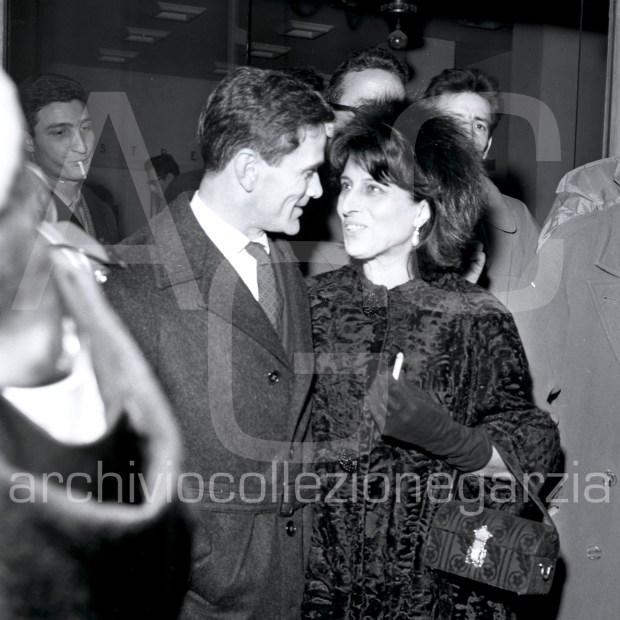
Pier Paolo Pasolini (Bologna, 5 marzo 1922 – Roma, 2 novembre 1975) è stato un poeta, scrittore, regista, sceneggiatore, drammaturgo e giornalista italiano, considerato tra i maggiori artisti e intellettuali del XX secolo. Culturalmente versatile, si distinse in numerosi campi, lasciando contributi anche come pittore, romanziere, linguista, traduttore e saggista, non solo in lingua italiana, ma anche friulana.

 Attento osservatore dei cambiamenti della società italiana dal secondo dopoguerra sino alla metà degli anni settanta, suscitò spesso forti polemiche e accesi dibattiti per la radicalità dei suoi giudizi, assai critici nei riguardi delle abitudini borghesi e della nascente società dei consumi, come anche nei confronti del Sessantotto e dei suoi protagonisti. Il suo rapporto con la propria omosessualità fu al centro del suo personaggio pubblico.

Anna Magnani (Roma, 7 marzo 1908 – Roma, 26 settembre 1973) è stata un’attrice italiana.

Considerata una delle maggiori interpreti femminili della storia.Attrice simbolo del cinema italiano, è altresì particolarmente conosciuta per essere stata, insieme ad Alberto Sordi e Aldo Fabrizi, una delle figure preminenti della romanità cinematografica del XX secolo.Celebri le sue interpretazioni, soprattutto in film come Roma città aperta, Bellissima, Mamma Roma e La rosa tatuata. Quest’ultimo le valse un Oscar alla miglior attrice protagonista.

anna-magnani-pierpaolo-pasolini

Prima del film “accattone” in Francia 10/12/61

Pier Paolo Pasolini (Italian: [ˈpjɛr ˈpaːolo pazoˈliːni]; 5 March 1922 – 2 November 1975) was an Italian film director, poet, writer and intellectual. Pasolini also distinguished himself as an actor, journalist, philosopher, novelist, playwright, filmmaker, painter and political figure.

He remains a controversial personality in Italy to this day due to his blunt style and the focus of some of his works on taboo sexual matters, but he is an established major figure in European literature and cinematic arts. His murder prompted an outcry in some circles of Italy, with its circumstances continuing to be a matter of heated debate.

Anna Magnani (Italian pronunciation: [ˈanna maɲˈɲaːni]; 7 March 1908 – 26 September 1973) was an Italian stage and film actress.She won the Academy Award for Best Actress, along with four other international awards, for her portrayal of a Sicilian widow in The Rose Tattoo.

Born in Rome, she worked her way through Rome’s Academy of Dramatic Art by singing at night clubs. During her career, her only child was stricken by polio when he was 18 months old and remained crippled.

She was referred to as “La Lupa,” the “perennial toast of Rome” and a “living she-wolf symbol” of the cinema. Time magazine described her personality as “fiery”, and drama critic Harold Clurman said her acting was “volcanic”. In the realm of Italian cinema she was “passionate, fearless, and exciting,” an actress that film historian Barry Monush calls “the volcanic earth mother of all Italian cinema.”[3] Director Roberto Rossellini called her “the greatest acting genius since Eleonora Duse”. Playwright Tennessee Williams became an admirer of her acting and wrote The Rose Tattoo specifically for her to star in, a role for which she received an Oscar in 1955.

After meeting director Goffredo Alessandrini she received her first screen role in La cieca di Sorrento (The Blind Woman of Sorrento) (1934) and later achieved international fame in Rossellini’s Rome, Open City (1945), considered the first significant movie to launch the Italian neorealism movement in cinema.As an actress she became recognized for her dynamic and forceful portrayals of “earthy lower-class women” in such films as L’Amore (1948), Bellissima (1951), The Rose Tattoo (1955), The Fugitive Kind (1959) and Mamma Roma (1962). As early as 1950 Life magazine had already stated that Magnani was “one of the most impressive actresses since Garbo”.

https://youtu.be/r-TcOhgZNek

#SophiaLoren

Sophia Loren, nome d’arte di Sofia Villani Scicolone (Roma, 20 settembre 1934), è un’attrice italiana.

Tra le più celebri attrici della storia del cinema, la Loren entra nel mondo della settima arte giovanissima e si impone ben presto, agli inizi degli anni cinquanta, come sex symbol grazie al corpo da maggiorata. Da Vittorio De Sica sarà diretta in film come La ciociara, che le valse l’Oscar alla migliore attrice, il primo dato ad un’attrice in un film non in lingua inglese e l’unica attrice insieme a Marion Cotillard a detenere questo record. Nel 1965, per il film Matrimonio all’italiana, riceverà una seconda candidatura all’Oscar, mentre nel 1991 le verrà assegnato un Oscar alla carriera.

Durante la sua lunga carriera, ha vinto 2 Oscar, 5 Golden Globe, un Leone d’oro, la Coppa Volpi a Venezia, un Prix d’interprétation féminine a Cannes, un Orso d’oro alla carriera a Berlino, un BAFTA, 9 David di Donatello (di cui quattro riconoscimenti speciali) e 3 Nastri d’argento. Nel 1999, l’American Film Institute (31 premi) ha inserito la Loren al ventunesimo posto tra le più grandi star della storia del cinema, fra le 25 attrici della classifica la Loren è l’unica attrice ancora in vita.


cannes-sofia-loren-busta-3935-ritoccata-010cannes 1959


Sophia Loren (/sˈfə ləˈrɛn/; Italian pronunciation: [soˈfiːa ˈlɔːren]; born Sofia Villani Scicolone [soˈfiːa vilˈlaːni ʃʃikoˈloːne], 20 September 1934) is an Italian film actress. Encouraged to enroll in acting lessons after entering a beauty pageant, Loren began her film career in 1950 at age 15. She appeared in several bit parts and minor roles in the early part of the decade, until her five-picture contract with Paramount in 1956 launched her international career. Notable film appearances around this time include The Pride and the Passion, Houseboat, and It Started in Naples.

Her talents as an actress were not recognized until her performance as Cesira in Vittorio De Sica’s Two Women; Loren’s performance earned her the Academy Award for Best Actress in 1962 and made her the first artist to win an Oscar for a foreign-language performance. She holds the record for having earned six David di Donatello Awards for Best Actress, the most ever received: Two Women; Yesterday, Today and Tomorrow; Marriage Italian Style (for which she was nominated for a second Oscar); Sunflower; The Voyage; and A Special Day. After starting her family in the early 1970s, Loren spent less time on her acting career and chose to make only occasional film appearances. In later years, she has appeared in American films such as Grumpier Old Men and Nine.

Aside from the Academy Award, she has won a Grammy Award, five special Golden Globes, a BAFTA Award, a Laurel Award, the Best Actress Award at the Cannes Film Festival, and the Honorary Academy Award in 1991. In 1995, she received the Cecil B. DeMille Award for lifetime achievements, one of many such awards. In 1999, Loren was acknowledged as one of the top 25 female American Screen Legends in the American Film Institute’s survey, AFI’s 100 Years…100 Stars.

#OrsonWelles

George Orson Welles (Kenosha, 6 maggio 1915 – Los Angeles, 10 ottobre 1985) è stato un attore, regista, sceneggiatore, scrittore, drammaturgo e produttore cinematografico statunitense.

È considerato uno degli artisti più versatili e innovativi del Novecento in ambito teatrale, radiofonico e cinematografico. Conquistò il successo all’età di ventitré anni grazie allo spettacolo radiofonico La guerra dei mondi, trasmissione che, leggenda narra, scatenò il panico in buona parte degli Stati Uniti, facendo credere alla popolazione di essere sotto attacco da parte dei marziani. Questo insolito debutto gli diede la celebrità e gli fece ottenere un contratto per un film all’anno con la casa di produzione cinematografica RKO, da realizzare con assoluta libertà artistica. Nonostante questa vantaggiosa clausola, solo uno dei progetti previsti poté vedere la luce: Quarto potere (1941), il più grande successo cinematografico di Welles, considerato “il più bel film della storia del cinema” secondo un sondaggio della rivista britannica Sight & Sound che ha interpellato oltre 250 critici e registi cinematografici.

La carriera successiva di Welles fu ostacolata da una lunga serie di difficoltà e inconvenienti che non gli permise di continuare a lavorare a Hollywood e che lo costrinse a trasferirsi in Europa, dove continuò a cercare di realizzare le proprie opere finanziandosi soprattutto con apparizioni in film altrui. Fra i suoi molti progetti, Welles riuscì a realizzare e dirigere film come: Macbeth (1948), Otello (1952), L’infernale Quinlan (1958), Il processo (1962), F come falso (1975) ed altri.

La sua fama è aumentata dopo la sua morte, avvenuta nel 1985, ed è considerato uno dei maggiori registi cinematografici e teatrali del XX secolo. Palma d’oro a Cannes nel 1952 (all’epoca Gran Prix du Festival), ricevette, tra gli altri riconoscimenti, l’Oscar alla carriera nel 1971. Nel 2002 è stato votato dal British Film Institute come il più grande regista di tutti i tempi. L’American Film Institute ha inserito Welles al sedicesimo posto tra le più grandi star della storia del cinema.

George Orson Welles (/ˈwɛlz/; May 6, 1915 – October 10, 1985) was an American actor, director, writer, and producer who worked in theatre, radio, and film. He is remembered for his innovative work in all three: in theatre, most notably Caesar (1937), a Broadway adaptation of William Shakespeare’s Julius Caesar; in radio, the 1938 broadcast “The War of the Worlds”, one of the most famous in the history of radio; and in film, Citizen Kane (1941), consistently ranked as one of the all-time greatest films.

Welles directed a number of high-profile stage productions for the Federal Theatre Project in his early twenties, including an innovative adaptation of Macbeth with an entirely African American cast, and the political musical The Cradle Will Rock. In 1937 he and John Houseman founded the Mercury Theatre, an independent repertory theatre company that presented an acclaimed series of productions on Broadway through 1941. Welles found national and international fame as the director and narrator of a 1938 radio adaptation of H. G. Wells’ novel The War of the Worlds performed for his radio anthology series The Mercury Theatre on the Air. It reportedly caused widespread panic when listeners thought that an invasion by extraterrestrial beings was actually occurring. Although some contemporary sources claim these reports of panic were mostly false and overstated, they rocketed Welles to notoriety.

His first film was Citizen Kane (1941), which he co-wrote, produced, directed, and starred in as Charles Foster Kane. Welles was an outsider to the studio system and directed only 13 full-length films in his career. He struggled for creative control on his projects early on with the major film studios and later in life with a variety of independent financiers, and his films were either heavily edited or remained unreleased. His distinctive directorial style featured layered and nonlinear narrative forms, innovative uses of lighting such as chiaroscuro, unusual camera angles, sound techniques borrowed from radio, deep focus shots, and long takes. He has been praised as a major creative force and as “the ultimate auteur”.

Welles followed up Citizen Kane with critically acclaimed films including The Magnificent Ambersons in 1942 and Touch of Evil in 1958. Although these three are his most acclaimed films, critics have argued other works of his, such as The Lady from Shanghai (1947) and Chimes at Midnight (1966), are underappreciated.

In 2002, Welles was voted the greatest film director of all time in two British Film Institute polls among directors and critics, and a wide survey of critical consensus, best-of lists, and historical retrospectives calls him the most acclaimed director of all time. Well known for his baritone voice, Welles was a well-regarded actor in radio and film, a celebrated Shakespearean stage actor, and an accomplished magician noted for presenting troop variety shows in the war years.

cannes-b-3914-orson-welles


#CharlesAznavour

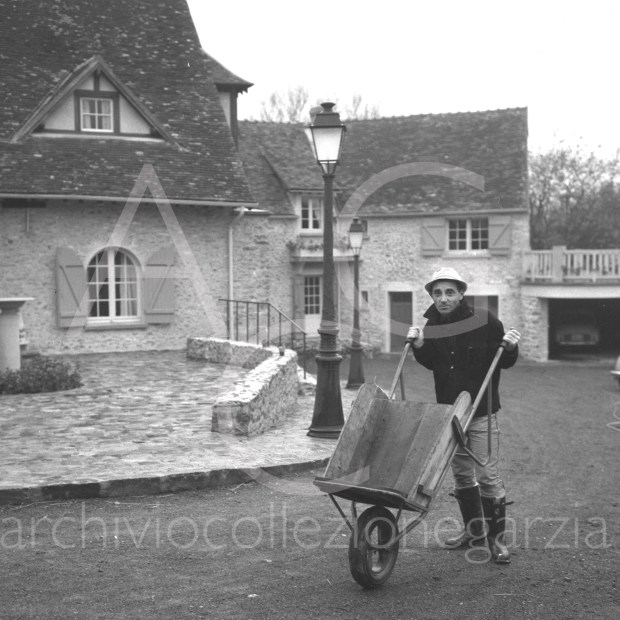
Charles Aznavour, nome d’arte di Chahnourh Varinag Aznavourian (armeno: Շահնուր Վաղինակ Ազնավուրեան; Parigi, 22 maggio 1924), è un cantautore, attore e diplomatico francese di origine armena.

Noto con il soprannome di Charles Aznavoice, è anche detto il “Frank Sinatra d’Europa”. Insignito della Legion d’Onore per il lustro dato alla Francia, è ambasciatore dell’Armenia in Svizzera dal 12 febbraio 2009.

Aznavour canta in sette lingue e ha venduto oltre 300 milioni di dischi nel mondo.

Charles Aznavour (en arménien Շառլ Ազնաւուր), né Shahnourh Varinag Aznavourian (Շահնուր Վաղինակ Ազնաւուրեան) le 22 mai 1924 à Paris, est un auteur-compositeur-interprète, acteur, écrivain et diplomate français. Il obtient en décembre 2008 la nationalité arménienne, lors de sa nomination au poste d’ambassadeur d’Arménie.

Pendant ses soixante-dix ans de carrière, Charles Aznavour a écrit plus de huit cent chansons. Sur disque, il en a enregistré plus de mille deux cents, chantées dans huit langues différentes. Au total, le chanteur totalise aujourd’hui plus de 180 millions de disques vendus à travers le monde

Il réside à Saint-Sulpice (Canton de Vaud), en Suisse, où il est l’ambassadeur de l’Arménie et le représentant permanent de ce pays auprès de l’ONU (auparavant, il était depuis 1995 le représentant permanent de l’Arménie auprès de l’Unesco).

Charles Aznavour (French pronunciation: [ʃaʁl aznavuʁ]; born Shahnour Varinag Aznavourian on 22 May 1924) is a French and Armenian singer, songwriter, actor, public activist and diplomat. Aznavour is known for his unique tenor voice: clear and ringing in its upper reaches, with gravelly and profound low notes. He has written over 800 songs and recorded over 1,200, sung in eight languages and sold more than 180 million records.

He is one of France’s most popular and enduring singers. He has been dubbed France’s Frank Sinatra, while music critic Stephen Holden has described Aznavour as “French pop deity.” He is also arguably the most famous Armenian of his time.In 1998, Aznavour was named Entertainer of the Century by CNN and users of Time Online from around the globe. He was recognized as the century’s outstanding performer, with nearly 18% of the total vote, edging out Elvis Presley and Bob Dylan.

He has sung for presidents, popes and royalty, as well as at humanitarian events. In response to the 1988 Armenian earthquake, he founded the charitable organization Aznavour for Armenia along with his long-time friend impresario Levon Sayan. In 2009, he was appointed ambassador of Armenia to Switzerland, as well as Armenia’s permanent delegate to the United Nations at Geneva. Aznavour is the longest standing “A list” star, still filling major venues all over the world. He started his most recent tour in 2014.

charl-aznavour-w

https://youtu.be/Vank6dS5w7k


#CountBasie

CountBasie, nato William Allen Basie (Red Bank, 21 agosto 1904 – Hollywood, 26 aprile 1984), è stato un compositore, pianista, direttore d’orchestra e bandleader statunitense di musica jazz.

William James Basie (August 21, 1904 – April 26, 1984) professionally better known as Count Basie, was an American jazz pianist, organist, bandleader, and composer. His mother taught him to play the piano and he started performing in his teens. Dropping out of school, he learned to operate lights for vaudeville and to improvise accompaniment for silent films at a local movie theater in his home town of Red Bank, New Jersey. By 16 years old, he increasingly played jazz piano at parties, resorts and other venues. In 1924, he went to Harlem, where his performing career expanded; he toured with groups to the major jazz cities of Chicago, St. Louis and Kansas City. In 1929 he joined Bennie Moten’s band in Kansas City, and played with them until Moten’s death in 1935.

In 1935, Basie formed his own jazz orchestra, the Count Basie Orchestra, and in 1936 took them to Chicago for a long engagement and their first recording. He led the group for almost 50 years, creating innovations like the use of two “split” tenor saxophones, emphasizing the rhythm section, riffing with a big band, using arrangers to broaden their sound, and others. Many musicians came to prominence under his direction, including the tenor saxophonists Lester Young and Herschel Evans, the guitarist Freddie Green, trumpeters Buck Clayton and Harry “Sweets” Edison and singers Jimmy Rushing and Joe Williams. Basie’s theme songs were “One O’Clock Jump”, developed in 1935 in the early days of his band, and later “April in Paris”.

William Basie, dit Count Basie, né le 21 août 1904 et mort le 26 avril 1984, est un pianiste, organiste et chef d’orchestre de jazz. Son orchestre s’inscrit dans la tradition de Kansas City, ville-berceau du middle jazz orchestral. Il était surnommé la machine à swing.

Son big band représente, avec celui de Duke Ellington, la quintessence du jazz classique dont il a porté la bonne parole pendant 50 ans dans le monde entier. Il a abordé tous les registres, du blues aux succès de Broadway en passant par les grands standards, toujours avec la même ferveur sincère.

Le Count Basie Orchestra aura été un tremplin pour nombre de musiciens majeurs de l’époque comme Lester Young, Herschel Evans, Buck Clayton, Harry ‘Sweets’ Edison, Dicky Wells, Buddy Tate.

count-basie-w


#PabloPicasso #LuciaBosè

Pablo Ruiz y Picasso semplicemente noto come Pablo Picasso (Málaga, 25 ottobre 1881Mougins, 8 aprile 1973) è stato un pittore, scultore e litografo spagnolo di fama mondiale, considerato uno dei maestri della pittura del XX secolo.

Fu anche un apprezzato ceramista e prolifico disegnatore; usava dire agli amici di considerarsi «anche un poeta». Picasso è figlio di María Picasso e di José Ruiz Blasco Lopez dè Onate, anch’egli pittore ed insegnante. Pur nella duplicità dell’assegnazione dei cognomi nei paesi latini, Picasso preferì sempre utilizzare il cognome della madre piuttosto che quello paterno

Pablo Ruiz y Picasso, also known as Pablo Picasso (/pɪˈkɑːs, ˈkæs/;Spanish: [ˈpaβlo piˈkaso]; 25 October 1881 – 8 April 1973), was a Spanish painter, sculptor, printmaker, ceramicist, stage designer, poet and playwright who spent most of his adult life in France. Regarded as one of the greatest and most influential artists of the 20th century, he is known for co-founding the Cubist movement, the invention of constructed sculpture,[3][4] the co-invention of collage, and for the wide variety of styles that he helped develop and explore. Among his most famous works are the proto-Cubist Les Demoiselles d’Avignon (1907), and Guernica (1937), a portrayal of the Bombing of Guernica by the German and Italian airforces at the behest of the Spanish nationalist government during the Spanish Civil War.

Lucia Bosè (Milano, 28 gennaio 1931) è un’attrice italiana, madre di Miguel, Lucia e Paola ed ex-moglie di Luis Miguel Dominguín.

Insieme a Silvana Pampanini e Gina Lollobrigida è stata la prima maggiorata del cinema italiano.

Lucia Bosè (born 28 January 1931), is an Italian actress, who was at the height of her fame during the period of Italian Neorealism, the 1940s and 1950s. She is the mother of famous Spanish singer Miguel Bosé.

picasso bosè

#LeoLonganesi #PierpaoloPasolini

-Leopoldo Longanesi, detto Leo (Bagnacavallo, 30 agosto 1905 – Milano, 27 settembre 1957), è stato un giornalista, pittore, disegnatore, editore e aforista italiano.

Nella sua vasta produzione pubblicistica, il gusto per la tradizione si fuse con un atteggiamento intellettuale anticonformista. Il successo che arrise alle sue riviste e alle sue iniziative editoriali gli ritagliò un ruolo di opinion maker politico-culturale, che Longanesi ricoprì per tutto l’arco della sua carriera.

-Pier Paolo Pasolini (Bologna, 5 marzo 1922 – Roma, 2 novembre 1975) è stato un poeta, scrittore, cineasta, sceneggiatore, drammaturgo e giornalista italiano, considerato tra i maggiori artisti e intellettuali del XX secolo. Culturalmente versatile, si distinse in numerosi campi, lasciando contributi anche come pittore, romanziere, linguista, traduttore e saggista, non solo in lingua italiana, ma anche friulana.

Attento osservatore dei cambiamenti della società italiana dal secondo dopoguerra sino alla metà degli anni settanta, suscitò spesso forti polemiche e accesi dibattiti per la radicalità dei suoi giudizi, assai critici nei riguardi delle abitudini borghesi e della nascente società dei consumi, come anche nei confronti del Sessantotto e dei suoi protagonisti. Il suo rapporto con la propria omosessualità fu al centro del suo personaggio pubblico.

longanesi pasolini b. 3755 001